
Young Person in British Sign Language (BSL)
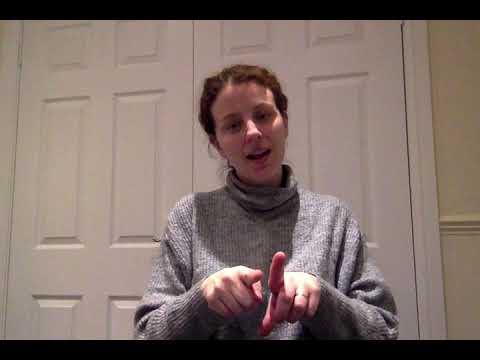
The sign for “young person” is widely used in the UK Deaf community to refer to a child or teenager. It conveys not just age but also a sense of energy and potential. This sign is often used in conversations about education, social activities, or when discussing youth-related topics.
How to Sign “Young Person”
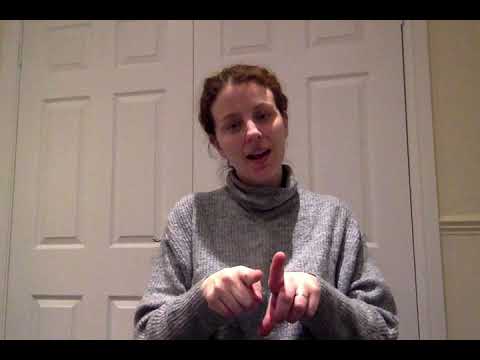
- Start with your dominant hand in a flat ‘B’ handshape (palm facing down).
- Position your hand in front of your chest, with the fingers pointing forward.
- Move your hand upward slightly, while keeping it flat. This upward motion can suggest growth or youthfulness.
- As you move your hand, add a smile or an engaging facial expression to convey positivity and energy, aligning with the sign’s meaning.
Common Mistakes
- Using a closed fist instead of the flat ‘B’ handshape, which can change the meaning of the sign.
- Not using facial expressions, which are crucial in BSL to convey emotion and context.
- Moving the hand in a circular motion instead of a straightforward upward movement, which can confuse the sign’s intent.
BSL vs ASL
In BSL, the sign for “young person” focuses on the upward movement of the hand to signify growth and youth. In contrast, ASL uses a different sign that may include facial expressions that represent the age and energy of the individual, highlighting the cultural differences between the two sign languages.
Related Signs
- Child – A sign used to refer to a young child.
- Teenager – Refers specifically to adolescents.
- Education – Related to learning, often involving young people.
- Friend – Commonly used among young people in social contexts.
- Fun – Often associated with activities that young people enjoy.
Frequently Asked Questions
How can I use “young person” in a BSL sentence?
You can say, “YOUNG PERSON I KNOW” by signing “YOUNG PERSON” followed by the sign for “KNOW” to indicate familiarity.
Are there regional variations for this sign?
While the sign is generally consistent across the UK, some areas may have slight variations in movement or handshape based on local dialects within the Deaf community.
What similar signs should I learn?
Learning signs like “CHILD,” “TEENAGER,” and “EDUCATION” can help you communicate more effectively about youth-related topics.
What tips can help me learn this sign effectively?
Practice in front of a mirror to ensure you’re using the correct handshape and movement. Also, engage with Deaf individuals to receive feedback.
Is this sign used in formal settings?
Yes, “young person” can be used in formal discussions, such as meetings about education or youth services, and is widely understood.
Can I use this sign for adults who are young at heart?
This sign specifically refers to younger individuals, so for adults, you may want to consider using a different term or sign.
How do non-manual features enhance this sign?
Facial expressions add context and emotion, making it clear that you’re discussing a young person, which is vital for effective communication in BSL.
Practice This Sign
Try signing Young Person In Bsl with your camera and get AI coaching on your handshape, movement, and location.
Free · No signup required