
Book a British Sign Language Interpreter in London

Whether you need communication support for a medical appointment, workplace meeting, or legal proceeding, knowing how to book British Sign Language interpreter London services is essential for ensuring effective communication with Deaf and hard of hearing individuals. London has a strong network of qualified BSL interpreters, but finding the right one requires understanding the booking process, qualifications to look for, and typical costs involved.
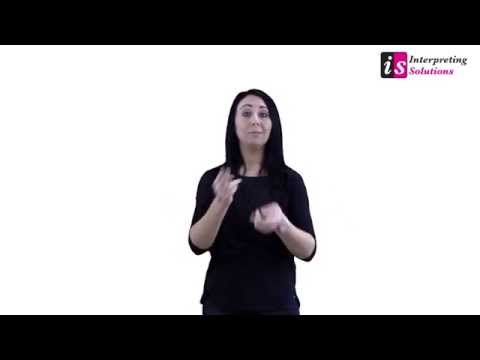
Why You Need a Qualified BSL Interpreter
BSL interpreting is a professional skill that requires years of training and certification. A qualified interpreter does not simply translate words from English to BSL. They convey meaning, tone, and cultural context, ensuring that both Deaf and hearing participants can communicate effectively. Using an unqualified person, such as a family member or colleague who knows some basic signs, can lead to dangerous misunderstandings, particularly in medical or legal settings.
The gold standard for BSL interpreters in the UK is registration with the National Registers of Communication Professionals working with Deaf and Deafblind People (NRCPD). Registered interpreters have completed recognised training programmes and adhere to a strict code of conduct covering confidentiality, impartiality, and professional standards.
In London, you may also encounter interpreters registered with the Scottish Association of Sign Language Interpreters (SASLI) or those who hold qualifications from Signature, the UK’s leading awarding body for BSL qualifications. Look for interpreters with at least a Level 6 qualification in BSL interpreting, which is the standard professional benchmark.
For specialised settings such as court proceedings, mental health appointments, or educational assessments, you should seek interpreters with specific experience in that domain. General interpreters may not be familiar with the technical vocabulary or protocols required in specialist environments.
Where to Find BSL Interpreters in London
London is well served by BSL interpreting agencies and freelance interpreters. The NRCPD maintains an online directory where you can search for registered interpreters by location. This is the most reliable starting point for finding qualified professionals in the London area.
Several established agencies operate across London, including those that specialise in BSL interpreting and Deaf communication services. These agencies handle the logistics of matching interpreters to assignments, managing scheduling, and ensuring quality standards are met. Using an agency is often easier for organisations that need regular interpreting support, as the agency manages cover for cancellations and ensures continuity.
Practice Makes Perfect
Test your sign language skills with our free practice app.
Freelance interpreters can sometimes offer more flexibility and competitive rates. Many experienced London-based interpreters maintain their own professional websites and can be contacted directly. However, always verify their NRCPD registration before booking. The Deaf community in London is active and well-connected, so asking local Deaf organisations for recommendations can also yield excellent results.
For urgent or last-minute bookings, video remote interpreting (VRI) services are increasingly available. While in-person interpreting is generally preferred, VRI can be a practical solution when a face-to-face interpreter cannot be arranged in time. Several UK providers now offer on-demand BSL interpreting via video call.
Costs and Booking Process
BSL interpreting costs in London typically range from £30 to £50 per hour for standard assignments, though rates vary depending on the interpreter’s experience, the complexity of the assignment, and the time of day. Evening and weekend bookings usually incur a premium. Most interpreters charge a minimum booking of two hours, even if the appointment itself is shorter.
Travel expenses within London are usually included or charged at a flat rate. For assignments outside central London, additional travel costs may apply. Some interpreters also charge a cancellation fee if assignments are cancelled with less than 48 hours notice, so confirm cancellation policies when booking.
To book an interpreter, you will typically need to provide the date, time, location, duration, and nature of the assignment. The more information you can provide about the context, the better the interpreter can prepare. For medical appointments, share relevant terminology in advance. For business meetings, provide the agenda and any key documents.
Many public services are required to provide BSL interpreters at no cost to the Deaf person. NHS appointments, court proceedings, and interactions with government services should include funded interpreting provision. If you are a Deaf person needing an interpreter for a public service, contact the service provider’s accessibility team to arrange this.
Preparing for Your Interpreted Appointment
Effective interpreted communication requires preparation from all parties. Arrive early so the interpreter can introduce themselves to both the Deaf and hearing participants. Establish seating arrangements that allow the Deaf person to see both the interpreter and any visual materials clearly. Good lighting on the interpreter’s face and hands is essential.
Speak at a natural pace when working with an interpreter. You do not need to slow down dramatically, but avoid speaking in long unbroken passages without pausing. The interpreter needs brief moments to process and convey the message accurately. Address the Deaf person directly, not the interpreter. Say “what do you think?” rather than “ask them what they think.”
If the appointment involves complex or technical content, consider providing written materials to the interpreter beforehand. This allows them to research specialist sign vocabulary and prepare accordingly. For lengthy meetings or conferences, two interpreters are standard practice, as they need to switch every 20 to 30 minutes to maintain accuracy and avoid fatigue.
After the appointment, the interpreter will leave and is bound by confidentiality. They will not discuss the content of the assignment with anyone. If you had a positive experience with a particular interpreter, note their details for future bookings, as consistency can improve communication quality over time.
Your Legal Right to BSL Interpretation
Under the Equality Act 2010, organisations and service providers in the UK have a duty to make reasonable adjustments for Deaf people, which includes providing BSL interpreters when needed. The BSL Act 2022 further strengthened these rights by placing specific obligations on government departments to promote the use of BSL.
In healthcare settings, the NHS has a legal obligation to provide communication support for Deaf patients. This includes BSL interpreters for appointments, hospital stays, and mental health services. If an NHS service refuses to provide an interpreter, you can escalate through the Patient Advice and Liaison Service (PALS).
Employment law also requires employers to make reasonable adjustments, which may include providing BSL interpreters for meetings, training sessions, and workplace communications. Access to Work, a government programme, can fund interpreting costs for employed and self-employed Deaf people in the workplace.
For legal proceedings, courts must provide qualified interpreters. The Ministry of Justice contracts interpreting services for criminal and civil courts across London and the UK. If you are involved in legal proceedings and need a BSL interpreter, the court administration should arrange this upon request. Knowing your rights ensures you can access the communication support you are entitled to.
Related Articles
- Book a British Sign Language Interpreter in Portsmouth
- British Sign Language Classes London
- British Sign Language Course
Practice ASL Signs
Use your camera to practice signs and get real-time AI feedback on your technique.
Free · No signup required