
Umma in Australian Sign Language (Auslan)

The sign “umma” in Auslan refers to the affectionate term for “mother” or “mom.” It is commonly used in familial contexts to show love and respect towards one’s mother. This sign can also be used in conversations about family, nurturing, and support.
Table of Contents
How to Sign “Umma”
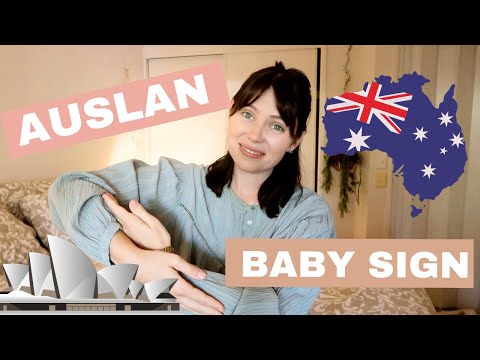
- Start with your dominant hand in a flat handshape (like the letter ‘B’).
- Position your hand near your chin or cheek, with your palm facing towards your face.
- Gently move your hand away from your face in a small arc while maintaining the flat handshape.
- While signing, use a warm facial expression to convey affection and love.
Common Mistakes
- Some learners may forget to use the correct handshape, using a fist instead of a flat hand.
- Not maintaining a warm facial expression can lead to misunderstandings about the sign’s affectionate meaning.
- Using an exaggerated movement instead of a gentle arc may make the sign look too aggressive.
Related Signs
- Dad: The sign for “father” or “dad,” often used in a similar family context.
- Family: A sign that encompasses the entire family unit.
- Love: Expressing affection, often used in various relationships.
- Parent: A general sign referring to either mother or father.
- Child: Referring to a young person in a familial context.
Using “Umma” in Everyday Conversations
The sign “Umma” is a warm and affectionate way to refer to one’s mother or a mother-like figure in Auslan. Here are a few example sentences illustrating how to use “Umma” naturally in conversation:
- Example 1: “Umma, I love your cooking!” (sign for Umma + sign for love + sign for your + sign for cooking)
- Example 2: “Umma, can you help me with my homework?” (sign for Umma + sign for can + sign for you + sign for help + sign for my + sign for homework)
- Example 3: “Umma is my best friend.” (sign for Umma + sign for is + sign for my + sign for best + sign for friend)
This sign often comes up in family gatherings, casual chats, or when expressing gratitude and affection towards one’s mother. It creates a warm atmosphere and reinforces the bond between family members.
Cultural Notes
In the Australian Deaf community, the term “Umma” is embraced not just as a sign for “mother,” but also as a symbol of respect and affection towards maternal figures. It reflects the close-knit relationships that are often found within Deaf families. The usage of “Umma” can vary slightly between different regions, with some northern dialects incorporating a more nuanced handshape or facial expression to convey additional warmth, while southern dialects may focus more on the sign’s clarity and simplicity. Understanding these nuances can enrich your communication and connection with members of the Deaf community.
Tips for Learning This Sign
To effectively learn and remember the sign “Umma,” consider the following strategies:
- Mirror Practice: Use a mirror to practice the sign. Observe your handshape and movement to ensure accuracy.
- Watch for Non-Manual Features: Pay attention to your facial expressions while signing “Umma.” A warm smile can enhance the meaning of the sign.
- Use in Short Signed Sentences: Integrate “Umma” into brief sentences to build confidence. For example, practice saying “Umma loves me” in various contexts.
By incorporating these practices into your routine, you’ll find it easier to remember and use “Umma” naturally in your conversations.
Frequently Asked Questions
How can I use “umma” in a sentence?
You can use it in a sentence like: “I love my umma” to express affection for your mother.
Are there regional variations of this sign?
While “umma” is widely understood, some regions may have slight variations in handshape or movement.
What are some similar signs to “umma”?
Related signs include “dad,” “parent,” and “family,” which all express familial relationships.
How does this sign compare to British Sign Language (BSL)?
The BSL sign for “mother” is different, typically using a different handshape and placement. It’s important to learn the distinct signs of each language.
What are some teaching tips for this sign?
Encourage learners to practice with a partner and emphasize the importance of facial expressions to convey emotion effectively.
Practice This Sign
Try signing Umma In Auslan with your camera and get AI coaching on your handshape, movement, and location.
Free · No signup required