
Young Person in Australian Sign Language (Auslan)
The sign for “young person” in Auslan refers to a child or youth, often used to describe someone who is not yet an adult. This sign is commonly used in conversations about age, education, and social gatherings involving younger individuals.
Table of Contents
How to Sign “Young Person”
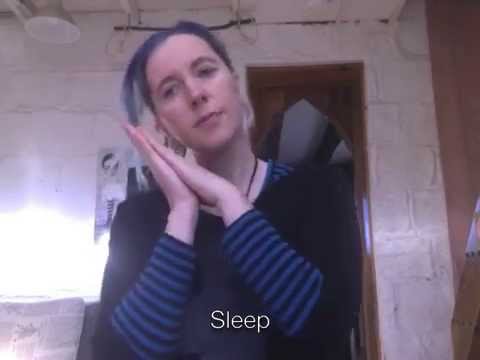
- Start with your dominant hand in a flat handshape (like a “B” handshape).
- Position your hand in front of your chest, palm facing down.
- Move your hand slightly downward while bending your elbow, as if you are indicating a smaller height.
- Maintain a friendly facial expression to convey warmth and openness.
Common Mistakes
- Some learners may forget to use a flat handshape, opting instead for a fist or other shapes.
- Not maintaining the appropriate facial expression can make the sign feel less inviting.
- Using a static position instead of incorporating the downward movement can lead to confusion about the sign’s meaning.
Related Signs
- 1 – The sign for the number one.
- 10 – The sign for the number ten.
- 100 – The sign for the number one hundred.
- 11 – The sign for the number eleven.
- 12 – The sign for the number twelve.
Using “Young Person” in Everyday Conversations
The sign for “Young Person” is often used in various everyday conversations, especially when discussing topics related to youth, education, or community events. Here are a few example sentences that illustrate its use:
- Conversation about School:
“YOUNG PERSON GO SCHOOL?” (Are young people going to school?) - Discussion on Community Events:
“YOUNG PERSON JOIN COMMUNITY EVENT?” (Are young people joining the community event?) - Talking about Activities:
“YOUNG PERSON LIKE SPORT.” (Young people like sports.)
These examples demonstrate how the sign can naturally fit into conversations about the lives and interests of young people, contributing to a broader dialogue about their roles in society.
Cultural Notes
In the Australian Deaf community, the sign for “Young Person” carries significant cultural context. It reflects not only the age group but also the vibrancy and energy often associated with youth. The term is inclusive, encompassing various identities within the young demographic, including those who are Deaf or hard of hearing. Understanding this sign is essential for engaging meaningfully with the community, especially in settings such as schools, youth programs, or cultural events.
While there is generally a consistent use of this sign across Australia, some regional variations may exist between northern and southern dialects. For instance, in some northern regions, the sign might be accompanied by additional non-manual features (such as facial expressions) that emphasize enthusiasm or engagement. Being aware of these nuances can enrich communication and foster connections.
Tips for Learning This Sign
Practicing the sign for “Young Person” can be both fun and effective with a few concrete strategies:
- Mirror Practice: Stand in front of a mirror to observe your own signing. This allows you to refine your handshape and movement while ensuring your facial expressions align with the sign.
- Focus on Non-Manual Features: Pay attention to your facial expressions and body language. These non-manual features convey important aspects of the sign and can help you remember its meaning.
- Use it in Context: Incorporate “Young Person” into short signed sentences or role-play scenarios. Practicing in context can help solidify your understanding and recall of the sign during real conversations.
By actively engaging with the sign through these methods, you’ll find it easier to remember and use effectively in conversations.
Frequently Asked Questions
Can you use this sign in a sentence?
Yes! You might say, “I saw a young person at the park” by signing “I SEE YOUNG PERSON PARK.”
Are there regional variations for this sign?
While the sign is fairly standardized, some regions may have slight variations in movement or handshape.
What are some similar signs?
Signs like “child” or “teenager” can have variations but are generally different from “young person.” It’s helpful to learn those signs for clarity.
How does this sign compare to BSL?
In BSL (British Sign Language), the sign for “young person” may look different, reflecting the unique grammar and structure of BSL.
Any teaching tips for this sign?
Encourage learners to practice in front of a mirror to refine their handshape and facial expressions.
Can this sign be used for all ages of young people?
This sign generally refers to children or teens, so it’s best to use more specific signs for different age groups if needed.
Practice This Sign
Try signing Young Person In Auslan with your camera and get AI coaching on your handshape, movement, and location.
Free · No signup required