
Quieten in Australian Sign Language (Auslan)

The sign for “quieten” in Auslan is used to indicate a desire for silence or to ask someone to lower their voice. It’s commonly used in situations where quietness is needed, such as during a presentation, in a library, or when putting a child to sleep.
Table of Contents
How to Sign “Quieten”
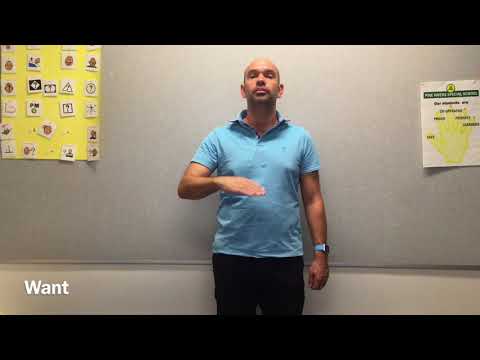
- Start with your dominant hand in a flat handshape (like a “B” handshape) with the palm facing down.
- Position your hand near your mouth, about an inch away.
- Gently move your hand downward while simultaneously closing your fingers to create a soft motion, as if you are quieting down the sound.
- Maintain a calm facial expression to convey the sense of quietness and serenity.
Common Mistakes
- Using too much movement, which can convey the opposite of quietness.
- Neglecting facial expressions, which are crucial for conveying the meaning of the sign.
- Incorrect handshape; ensure your hand is flat and not in a fist or other shape.
Related Signs
- Silence – Indicates a complete absence of sound.
- Whisper – A sign for speaking softly.
- Quiet – Refers to a low volume or calm environment.
- Shh – A common sign to ask for silence.
- Loud – The opposite of quiet.
Using “Quieten” in Everyday Conversations
The sign “Quieten” is commonly used in various everyday situations, especially when addressing noise levels or asking for calm. Here are a few example sentences that illustrate how to use this sign naturally:
- At a gathering: “Everyone, please quieten down. We need to hear the announcement.” (Sign: ‘Everyone’ + ‘Quieten’ + ‘down’ + ‘need’ + ‘hear’ + ‘announcement’)
- In a classroom: “Can you quieten down so we can start the lesson?” (Sign: ‘You’ + ‘Quieten’ + ‘down’ + ‘so’ + ‘we’ + ‘can’ + ‘start’ + ‘lesson’)
- At home: “I need you to quieten while I’m on the phone.” (Sign: ‘I’ + ‘need’ + ‘you’ + ‘to’ + ‘Quieten’ + ‘while’ + ‘I’ + ‘on’ + ‘phone’)
These contexts demonstrate how “Quieten” can be incorporated into everyday conversations, making it a practical sign to know.
Cultural Notes
In the Australian Deaf community, using the sign “Quieten” reflects a cultural emphasis on mutual respect and awareness in communication. It is not just about reducing noise but also about fostering an environment where everyone can engage effectively. The sign is particularly relevant in situations like social gatherings, classrooms, and community meetings, where attentiveness is crucial.
There may be slight variations in signing styles between northern and southern regions of Australia. For example, some northern communities might use a more exaggerated facial expression while signing “Quieten,” while southern communities may adopt a more subdued approach. Understanding these nuances can enhance communication and connection within the community.
Tips for Learning This Sign
Practicing the sign “Quieten” can be enjoyable and effective with the right techniques. Here are some concrete ways to help you remember and master this sign:
- Mirror Practice: Use a mirror to observe your hand movements and facial expressions. This will help you refine your signing technique and ensure you are conveying the intended message.
- Watch for Non-Manual Features: Pay attention to your facial expressions and body language when signing. A serious or calm expression can enhance the meaning of “Quieten.”
- Use in Short Signed Sentences: Incorporate “Quieten” into simple sentences during practice. This will help reinforce your understanding and make the sign feel more natural in conversation.
Consistent practice in these ways will improve your fluency and confidence in using “Quieten” effectively.
Frequently Asked Questions
How can I use “quieten” in a sentence?
You can say, “Please quieten down during the movie,” while signing to emphasize the request.
Are there regional variations for this sign?
Yes, some regions may have slight variations in handshape or movement, but the general concept remains the same.
What are some similar signs to “quieten”?
Signs such as “silence” and “quiet” are often used interchangeably, depending on the context.
How does “quieten” compare to BSL?
In BSL, the sign for quiet may look different, but the underlying concept remains similar, focusing on reducing noise.
What tips do you have for teaching this sign?
Encourage learners to practice with different scenarios where quietness is needed, and emphasize the importance of facial expressions.
Can I use this sign with children?
Absolutely! It’s a gentle way to communicate the need for quiet, especially when teaching children.
How do I know when to use this sign?
Use this sign in any context where you want to indicate a need for silence, whether casual or formal.
Practice This Sign
Try signing Quieten In Auslan with your camera and get AI coaching on your handshape, movement, and location.
Free · No signup required