
Uneasy in Australian Sign Language (Auslan)

The sign for “uneasy” expresses feelings of discomfort or anxiety. It’s often used in conversations about situations that make someone feel nervous or unsure. This sign can help convey emotions in various contexts, such as discussing personal experiences or sharing thoughts about challenging situations.
Table of Contents
How to Sign “Uneasy In Auslan“
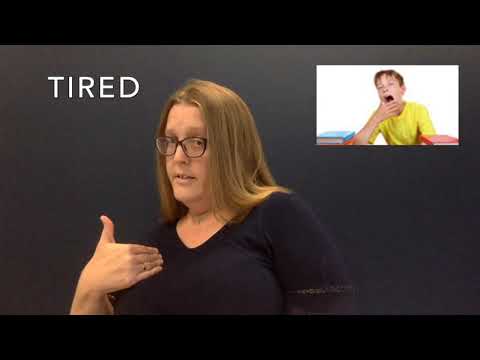
- Start with your dominant hand in a flat handshape (like a “B” hand). Position it in front of your chest, palm facing down.
- With a slight movement, pull your hand in towards your body while curling your fingers slightly inward. This motion symbolizes the feeling of discomfort.
- Maintain a facial expression that reflects unease or discomfort, such as furrowing your brows or slightly biting your lip.
- Hold the final position for a moment to emphasize the emotion.
Common Mistakes
- Some learners may forget to incorporate appropriate facial expressions, which are crucial for conveying emotions in ASL.
- Moving the hand too quickly can miss the emotional nuance; the sign should be performed with a deliberate pace.
- Using an incorrect handshape, such as a fist instead of a flat hand, can change the meaning of the sign.
Related Signs
- Nervous – A sign that indicates feelings of anxiety or apprehension.
- Worried – Used to express concern about something specific.
- Stressed – Represents feelings of pressure or tension.
- Anxious – Indicates a state of unease regarding future events.
Using “Uneasy” in Everyday Conversations
In Auslan, the sign for “uneasy” can be incorporated into various everyday conversations. Here are a few example sentences that demonstrate its usage:
- Example 1: “I feel uneasy about the job interview.” (SIGN: I JOB INTERVIEW UNEASY)
- Example 2: “They seemed uneasy at the party.” (SIGN: THEY PARTY UNEASY)
- Example 3: “She was uneasy during the presentation.” (SIGN: SHE PRESENTATION UNEASY)
This sign naturally comes up in situations where someone expresses discomfort or apprehension, such as before an important event, while discussing social situations, or reflecting on personal experiences. Being able to convey “uneasy” helps facilitate deeper conversations about emotions and feelings.
Cultural Notes
In the Australian Deaf community, the sign for “uneasy” holds significant cultural relevance. It is often used to express not just discomfort but also the feeling of being out of place, which can resonate deeply within social contexts. The Deaf community values open emotional expression, making it essential to accurately convey feelings like unease.
Dialect variations do exist within Auslan, particularly between northern and southern regions. While the sign for “uneasy” remains largely consistent, some users may incorporate slightly different facial expressions or non-manual features, which can add nuance to the meaning. Being aware of these variations can enhance communication and connection within diverse groups.
Tips for Learning This Sign
Practicing the sign for “uneasy” effectively can enhance your comfort and fluency in Auslan. Here are some concrete tips to help you learn and remember it:
- Mirror Practice: Use a mirror to practice the sign. This allows you to see your own facial expressions and hand movements, ensuring they match the intended sign.
- Watch for Non-Manual Features: Pay attention to your facial expressions while signing. A furrowed brow or slight head tilt can add meaning to “uneasy.” Observe fluent signers to see how they incorporate these features.
- Use in Short Signed Sentences: Create short, simple sentences incorporating “uneasy.” Practicing in context helps solidify your understanding and ability to use the sign naturally in conversation.
By integrating these tips into your practice routine, you can become more confident in expressing feelings of unease in Auslan.
Frequently Asked Questions
How can I use “uneasy” in a sentence?
You might say, “I feel uneasy about the upcoming exam,” using the sign to express your feelings directly.
Are there regional variations for this sign?
While the sign for “uneasy” is generally consistent, some regional variations may exist in specific communities.
What are some similar signs to “uneasy”?
Signs like “nervous” and “worried” capture similar feelings and can be used interchangeably depending on the context.
How does this sign compare to BSL?
In British Sign Language, the sign for “uneasy” may differ, reflecting the unique signs and expressions within BSL.
What teaching tips can improve my sign?
Practice in front of a mirror to check your facial expressions and hand shapes, and consider asking a fluent signer for feedback.
Practice This Sign
Try signing Uneasy In Auslan with your camera and get AI coaching on your handshape, movement, and location.
Free · No signup required