
Baby Buggy in Australian Sign Language (Auslan)
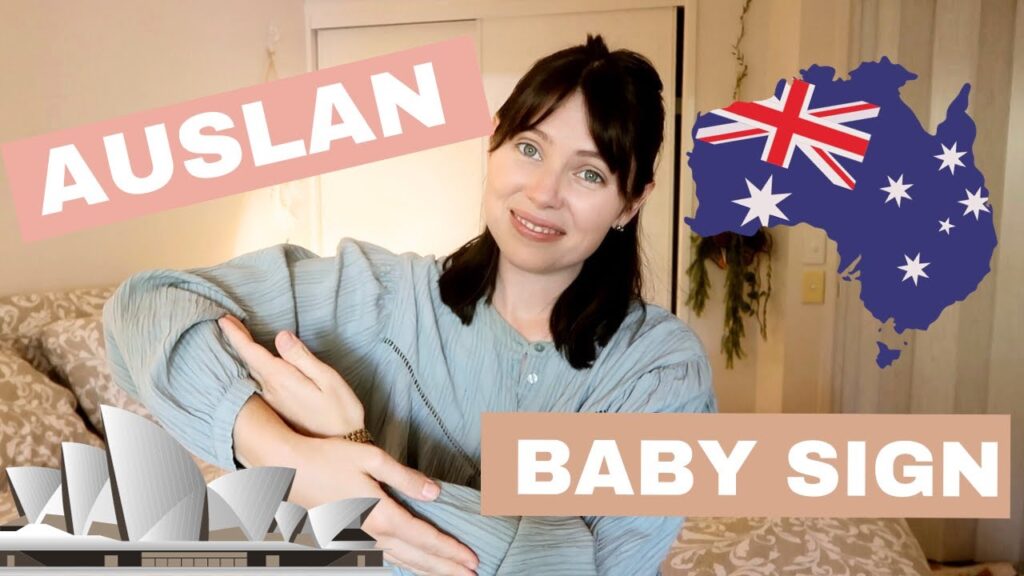
The sign for “baby buggy” in Auslan refers to a small vehicle designed to carry infants or young children, typically pushed by an adult. This sign is commonly used in conversations about parenting, childcare, and family outings. It can also come in handy when discussing plans that involve children.
How to Sign “Baby Buggy”
- Start by forming your dominant hand into a “C” shape. This represents the handle of the baby buggy.
- Position your dominant hand in front of you at waist height, with your palm facing downward.
- Use your non-dominant hand to create a flat surface to represent the seat area of the buggy. Place this hand slightly lower than your dominant hand.
- Gently move your dominant hand forward, as if pushing the buggy. This movement helps convey the action of moving the buggy.
- Maintain a relaxed facial expression, reflecting the casual nature of the sign. You can even smile to show warmth when talking about children.
Common Mistakes
- Some learners may forget to use the “C” handshape, opting for a flat hand instead, which can alter the meaning.
- Failing to move the dominant hand forward can make the sign feel static and less expressive.
- Not incorporating facial expressions can make the sign feel less engaging or friendly, especially in conversations about children.
Related Signs
- Baby – Refers to an infant or young child.
- Parent – Sign for a mother or father.
- Play – Indicates activities commonly enjoyed by children.
- Child – Refers to a young human, typically under the age of 13.
- Family – Represents a group of related individuals, including parents and children.
Frequently Asked Questions
How can I use “baby buggy” in a sentence?
You might say, “I will take the baby buggy to the park today.” This helps clarify the intent of your conversation.
Are there regional variations for this sign?
While the sign is generally consistent, some areas may have slight variations in hand movement or positioning.
Are there similar signs for other types of buggies?
Yes, there are signs for different types of buggies or strollers, often differentiated by their specific functions.
How does this sign compare to BSL?
British Sign Language (BSL) has its own unique signs; “baby buggy” may have a different sign altogether, reflecting regional language differences.
What are some teaching tips for this sign?
Encourage students to practice with a partner, using real or imaginary baby buggies to reinforce the concept and movement.
Practice This Sign
Try signing Baby Buggy In Auslan with your camera and get AI coaching on your handshape, movement, and location.
Free · No signup required