
Table in Australian Sign Language (Auslan)
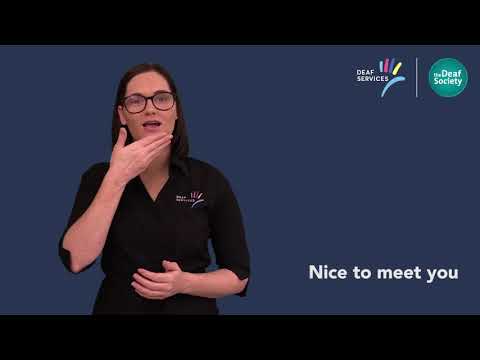
The sign for “table” in Auslan refers to a flat surface used for various activities like dining, working, or playing games. It’s a fundamental sign that comes up often in everyday conversation, especially when discussing furniture, settings, or gatherings.
Table of Contents
How to Sign “Table”

- Start with both hands open and palms facing down.
- Bring your hands together to form a flat surface, positioning them parallel to the ground.
- Keep your fingers spread wide and ensure your hands are about shoulder-width apart.
- Hold the position for a moment, maintaining a neutral facial expression to indicate the object without extra emotion.
Common Mistakes
One common mistake is using closed fists instead of open hands, which can misrepresent the flat surface of a table. Another error is raising the hands too high, as the sign should remain at about waist level. Lastly, some learners forget to maintain a neutral facial expression, which can change the meaning of the sign.
Related Signs
- 1 – The sign for the number one.
- 1 Dollar – Represents currency in the context of money.
- 10 – The sign for the number ten.
- 100 – Represents the number one hundred.
- 12 – The sign for the number twelve.
Using “Table” in Everyday Conversations
The sign “Table” can be integrated into everyday conversations, especially when discussing meals, gatherings, or workspaces. Here are a few example sentences where this sign fits naturally:
- “We will eat at the table.” (SIGN: EAT TABLE) – This can come up during meal planning or when inviting friends over for dinner.
- “Please put the book on the table.” (SIGN: BOOK TABLE PUT) – Useful when directing someone to place items in a specific location.
- “Let’s meet at the table for our project.” (SIGN: MEET PROJECT TABLE) – Common in academic or work settings where collaboration occurs.
Using the sign in these contexts helps reinforce its meaning and encourages natural conversation flow.
Cultural Notes
In the Australian Deaf community, the sign for “Table” is more than just a representation of furniture; it can also signify gathering spaces and social interactions. Tables often serve as central points for communication, meals, and community activities. Understanding this sign within its cultural context highlights the importance of social engagements among Deaf individuals.
While the sign for “table” is generally consistent across Australia, there may be slight variations in how it is executed, particularly between northern and southern regions. These dialectical differences can influence the speed and fluidity of the sign, but the core concept remains the same.
Tips for Learning This Sign
Practicing the sign for “Table” effectively can enhance your memory and fluency. Here are several strategies to help you learn and retain it:
- Mirror Practice: Stand in front of a mirror to watch your hand movements and facial expressions. This helps ensure you’re forming the sign correctly.
- Watch for Non-Manual Features: Pay attention to your facial expressions while signing. They contribute significantly to the meaning in Auslan, adding context and emotion.
- Use in Short Signed Sentences: Incorporate the sign into simple phrases during practice. This reinforces usage and helps you remember it in context.
Consistent practice using these methods will make the sign feel more natural in your conversations.
Frequently Asked Questions
How can I use “table” in a sentence?
You might say, “Let’s set the table for dinner,” which can be signed as “LET’S SET TABLE DINNER.”
Are there regional variations for this sign?
Is “table” similar to any other signs?
Yes, “desk” or “counter” may have similar signs, but the hand positioning and movement will differ slightly.
How does this sign compare to BSL?
In BSL, the sign for “table” uses a different handshape and movement, highlighting the variations between the two languages.
What tips do you have for teaching this sign?
Encourage learners to practice with a partner, focusing on the handshape and maintaining the correct level for clarity.
Practice This Sign
Try signing Table In Auslan with your camera and get AI coaching on your handshape, movement, and location.
Free · No signup required