
Baby Sitter in Australian Sign Language (Auslan)
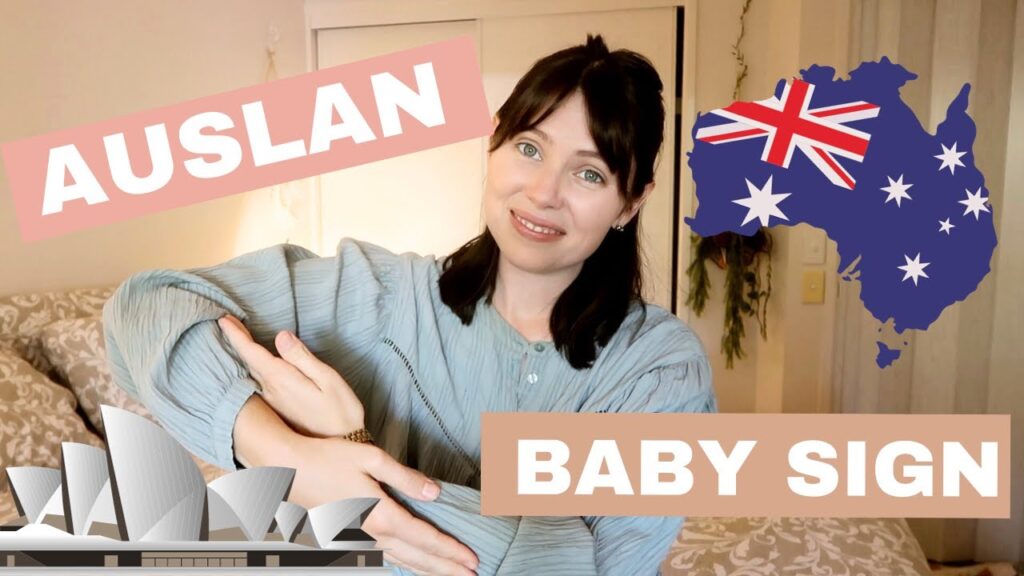
The sign for “baby sitter” in Auslan represents someone who takes care of children while their parents are away. It’s commonly used in conversations about childcare arrangements or when discussing plans for the evening. This sign can be handy for parents in the Deaf community looking to communicate about their childcare needs.
Table of Contents
How to Sign “Baby Sitter”
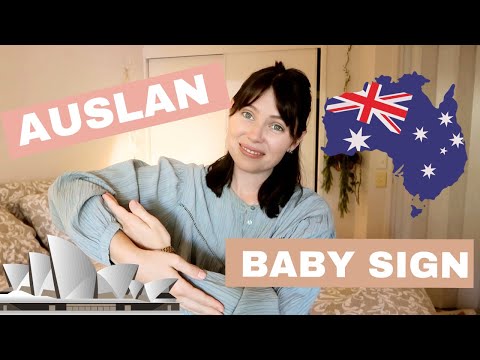
- Start with your dominant hand in a flat handshape (like the ASL sign for “5”), fingers extended and together.
- Position your dominant hand in front of your chest, palm facing you.
- Move your hand downwards slightly, as if you are cradling a baby.
- Simultaneously, use your non-dominant hand in a similar flat handshape to mimic holding a child in your other arm.
- Maintain a gentle facial expression, conveying warmth and care.
Common Mistakes
- Forgetting to use both hands, which can make the sign less clear.
- Using a stiff handshape instead of a relaxed, cradling position, which can convey the wrong meaning.
- Rushing the movement; it’s important to express the nurturing aspect of babysitting through slow and gentle motions.
Related Signs
- 1 – Represents the number one and can be used in counting.
- 1 Dollar – Used when discussing money, specifically one dollar.
- 10 – Indicates the number ten in counting.
- 100 – Represents the number one hundred.
- 11 – Sign for the number eleven.
Using “Baby Sitter” in Everyday Conversations
The sign for “Baby Sitter” is commonly used in everyday conversations, especially among parents and caregivers. Here are a few examples of how it can be incorporated into dialogue:
- Example 1: “I need a baby sitter tonight.” (SIGN: ‘I’ + ‘NEED’ + ‘BABY SITTER’ + ‘TONIGHT’)
- Example 2: “Do you know any good baby sitters?” (SIGN: ‘YOU’ + ‘KNOW’ + ‘ANY’ + ‘GOOD’ + ‘BABY SITTERS’)
- Example 3: “She is a great baby sitter.” (SIGN: ‘SHE’ + ‘GREAT’ + ‘BABY SITTER’)
These examples typically arise in discussions about childcare, social gatherings, or when coordinating plans with friends and family. Understanding how to use this sign in context helps to enhance communication and strengthen connections within the community.
Cultural Notes
The concept of a “Baby Sitter” holds significant meaning within the Australian Deaf community, as it often relates to the support network surrounding families with Deaf children. Many Deaf families prefer to engage with baby sitters who are familiar with Auslan, ensuring effective communication and a comfortable environment for their children.
In terms of dialect, while the sign for “Baby Sitter” remains largely consistent across Australia, there might be slight variations in the way it is signed in northern versus southern regions. Observing local signing practices can enrich your understanding and usage of this sign.
Tips for Learning This Sign
To effectively learn and remember the sign for “Baby Sitter,” consider the following methods:
- Mirror Practice: Use a mirror to practice the sign, ensuring your hand shape and movements are accurate. This visual feedback can help solidify your learning.
- Non-Manual Features: Pay attention to facial expressions and body language while signing. These non-manual features can enhance the meaning and convey emotions related to the context of the conversation.
- Short Signed Sentences: Incorporate the sign into simple sentences, such as “I need a baby sitter” or “My friend is a baby sitter.” Regular practice in context helps reinforce memory and understanding.
By actively engaging with the sign in various ways, you’ll build confidence and fluency in your Auslan communication.
Frequently Asked Questions
How can I use “baby sitter” in a sentence?
You can say, “I need a baby sitter for tonight” by signing “I” + “need” + “baby sitter” + “tonight.”
Are there regional variations for this sign?
Yes, some regions may have their own variations, but the basic sign remains widely understood.
What are some similar signs?
Similar signs include “caregiver” and “nanny,” which have their own unique signs but convey similar meanings.
How does this sign compare to BSL?
While there are differences, the BSL sign for “baby sitter” is conceptually similar but may vary in handshape and movement.
What tips do you have for teaching this sign?
Practice with real-life scenarios to reinforce meaning and encourage students to use the sign in context.
Practice This Sign
Try signing Baby Sitter In Auslan with your camera and get AI coaching on your handshape, movement, and location.
Free · No signup required