
Baby in Australian Sign Language (Auslan)
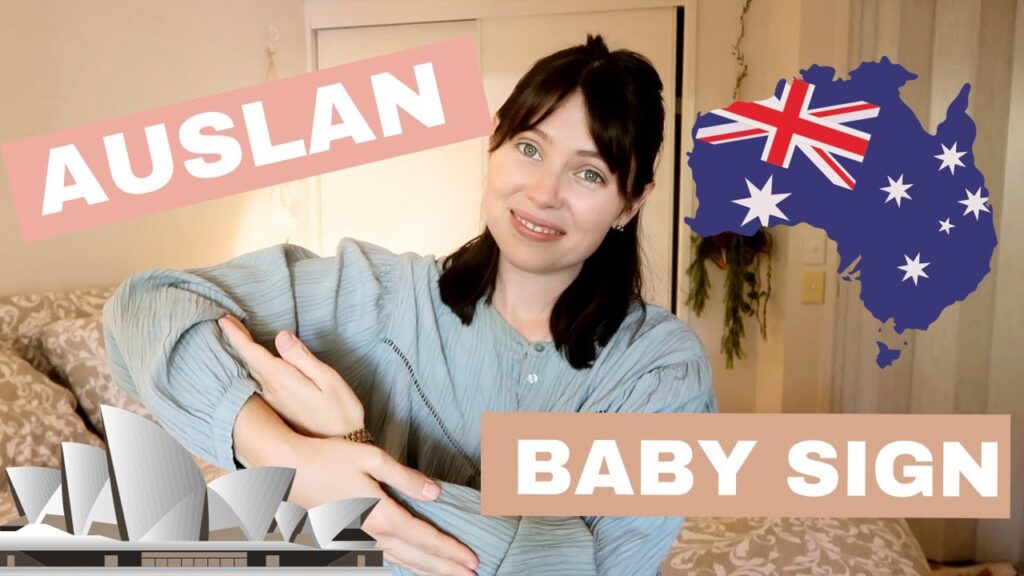
The sign for “baby” in Auslan represents an infant or small child and is often used in everyday conversations, particularly when discussing family, childcare, or expressing affection. This sign can convey tenderness and care, making it a valuable part of communication for parents and caregivers.
Table of Contents
How to Sign “Baby”
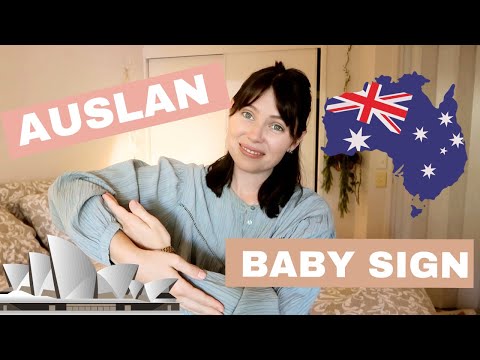
- Start with both hands in front of your chest, palms facing each other.
- Use your dominant hand, which can be in a flat handshape (like a “B” handshape) or a cupped handshape, to mimic the action of cradling a baby.
- Bring your hands towards your chest gently, as if you are holding a baby close to you.
- Maintain a soft facial expression, reflecting warmth and affection.
Common Mistakes
- Forgetting to use facial expressions, which are important in Auslan to convey emotions.
- Using stiff hand movements instead of the gentle, cradling motion.
- Not positioning the hands close enough to the chest, making the sign less expressive.
Related Signs
- 1 – The sign for the number one.
- 1 Dollar – The sign representing one dollar currency.
- 10 – The sign for the number ten.
- 100 – The sign for one hundred.
- 11 – The sign for the number eleven.
Using “Baby” in Everyday Conversations
The sign for “Baby” is a critical part of many conversations in both family and community settings. Here are a few example sentences demonstrating its use:
- Example 1: “I saw the baby at the park.”
(Sign: “I” + “see” + “baby” + “park”) – This might come up when discussing a family outing or a recent visit to a park. - Example 2: “The baby is sleeping.”
(Sign: “baby” + “sleep”) – This could be used in a conversation about caring for a child or during a family gathering. - Example 3: “Do you want to hold the baby?”
(Sign: “you” + “want” + “hold” + “baby”) – This is a common question in social situations when a baby is present, encouraging interaction among friends or family members.
Cultural Notes
In the Australian Deaf community, the sign for “Baby” carries deep cultural significance, often associated with family and community life. Babies are central to many cultural practices, and the care and nurturing of children are highly valued. In conversations about parenting, the sign helps convey affection and connection.
There may be slight variations in the sign depending on regional dialects within Australia. In northern regions, the sign might be produced with a slightly different movement or facial expression compared to the southern regions. Observing local signing practices can enhance understanding and communication.
Tips for Learning This Sign
Practicing the sign for “Baby” can be enjoyable and effective with a few simple techniques:
- Mirror Practice: Use a mirror to watch your signing. This allows you to see if your handshape and movement are accurate.
- Watch for Non-Manual Features: Pay attention to your facial expressions and body language. Using a warm smile or gentle expressions when signing “Baby” can enhance the meaning.
- Incorporate in Short Signed Sentences: Create short sentences using “Baby” in everyday contexts. The more you practice, the easier it becomes to remember.
Engaging with others in the Deaf community and practicing together can also boost your confidence and skill in using this sign naturally.
Frequently Asked Questions
How can I use “baby” in a sentence?
You can say, “I love my baby” by signing “I” (pointing to yourself), then signing “love” followed by “baby”.
Are there any regional variations for the sign “baby”?
What other signs are similar to “baby”?
Signs like “child” and “kid” convey related meanings, but they are signed differently, focusing on age differences.
How does “baby” compare to BSL?
In BSL, the sign for “baby” is somewhat similar but may involve different handshapes or placements. It’s always good to learn the specific sign for the region you are in.
What teaching tips can help with this sign?
Practice the sign in context, using props like dolls to simulate cradling a baby, which helps learners connect the sign to real-life situations.
Can I use “baby” to refer to pets?
While “baby” typically refers to infants, it can be used affectionately for pets, depending on the context and your relationship with the animal.
Practice This Sign
Try signing Baby In Auslan with your camera and get AI coaching on your handshape, movement, and location.
Free · No signup required