
Babe in Australian Sign Language (Auslan)
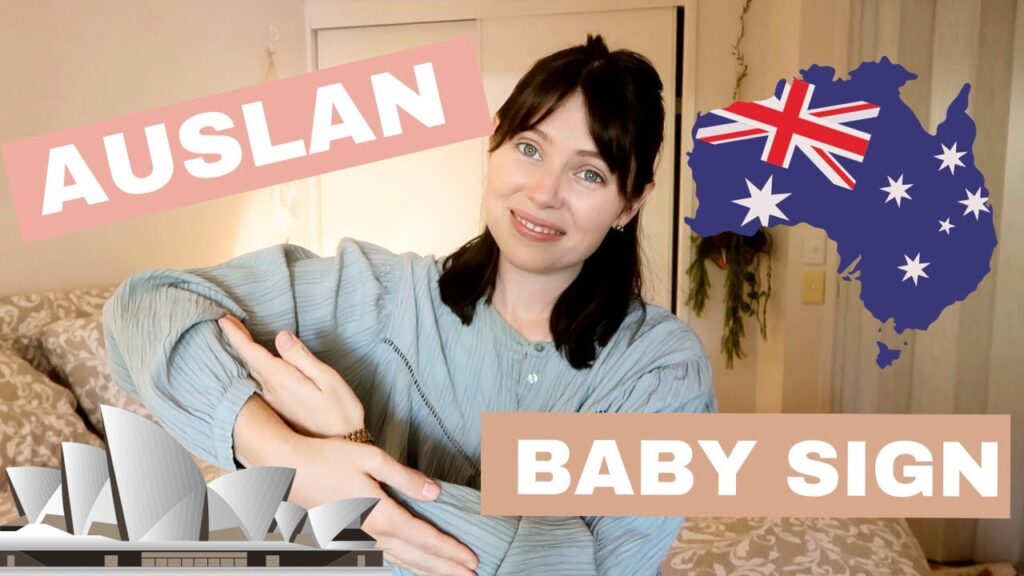
The sign for “babe” in Auslan is a term of endearment often used to refer to a loved one, partner, or close friend. It conveys warmth and affection, and is commonly used in casual conversations among friends or loved ones. This sign can help express your feelings in a friendly and loving manner.
Table of Contents
How to Sign “Babe”
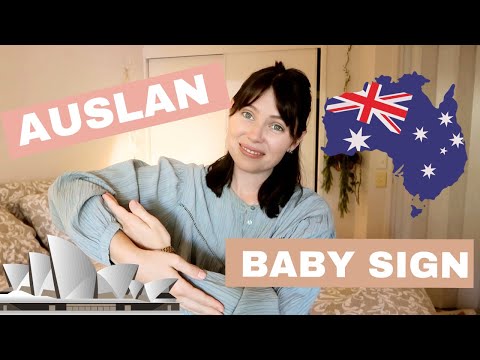
- Start with your dominant hand in a “B” handshape (fingers extended together, palm facing out).
- Position your hand near your chest, about shoulder height.
- Gently move your hand in a small circular motion, from left to right.
- As you sign, maintain a warm facial expression to convey affection.
Common Mistakes
- Forgetting to use the correct handshape; ensure your hand is in a “B” shape.
- Not using enough facial expression, which is crucial for conveying emotion in Auslan.
- Making the circular motion too large; it should be subtle and gentle.
Related Signs
- 1 – The sign for the number one.
- 1 Dollar – The sign used for one dollar.
- 10 – The sign representing the number ten.
- 100 – The sign for one hundred.
- 11 – The sign for eleven.
Using “Babe” in Everyday Conversations
The sign “Babe” is often used in casual and affectionate contexts, making it a popular choice among friends, partners, or family members. Here are a few examples to illustrate how it might come up in conversation:
- Example 1: “Babe, are you coming to the party tonight?”
(Sign: “Babe” + “you” + “come” + “party” + “tonight”) - Example 2: “I love you, babe.”
(Sign: “I” + “love” + “you” + “Babe”) - Example 3: “Babe, can you help me with this?”
(Sign: “Babe” + “can” + “you” + “help” + “me” + “with” + “this”)
These sentences showcase how the sign can be used naturally in friendly or romantic exchanges, helping to convey warmth and familiarity.
Cultural Notes
The sign “Babe” is widely accepted in the Australian Deaf community, where affectionate terms are often embraced in casual conversations. Its usage reflects the culture of camaraderie and closeness that is highly valued among Deaf individuals. It’s important to understand that while “Babe” is a common sign, the nuances of how it is used can vary by region. For instance, some northern dialects might adopt slightly different signs or gestures that carry a similar affectionate meaning, while southern dialects may lean more towards the playful aspects of this term. Engaging with members of the community can provide insights into these regional variations and deepen your understanding of cultural context.
Tips for Learning This Sign
Practicing the sign “Babe” effectively can enhance your fluency in Auslan. Here are some concrete tips to help you master it:
- Mirror Practice: Use a mirror to practice the sign. This will help you see your hand positioning and facial expressions, which are crucial in Auslan.
- Watch for Non-Manual Features: Pay attention to facial expressions and body language when using the sign. These features add emotion and context to your signing.
- Incorporate into Short Signed Sentences: Use “Babe” in various short sentences and everyday conversations to reinforce your memory. The more you use it, the more natural it will feel.
By integrating these practices into your learning routine, you can enhance your confidence and fluency in using the sign “Babe” and Auslan as a whole.
Frequently Asked Questions
How can I use “babe” in a sentence?
You can say, “I love my babe,” by signing “I” followed by the sign for “love” and then “babe.”
Are there regional variations for this sign?
What are some similar signs to “babe”?
Related terms of endearment include “honey” and “sweetheart,” which can have distinct signs.
How does this sign compare to BSL?
The sign for “babe” in BSL may differ in handshape and movement, reflecting the unique grammar of British Sign Language.
What are some tips for teaching this sign?
Encourage learners to practice facial expressions and hand movements together to capture the emotional context.
Practice This Sign
Try signing Babe In Auslan with your camera and get AI coaching on your handshape, movement, and location.
Free · No signup required