
Pronouns in New Zealand Sign Language (NZSL)
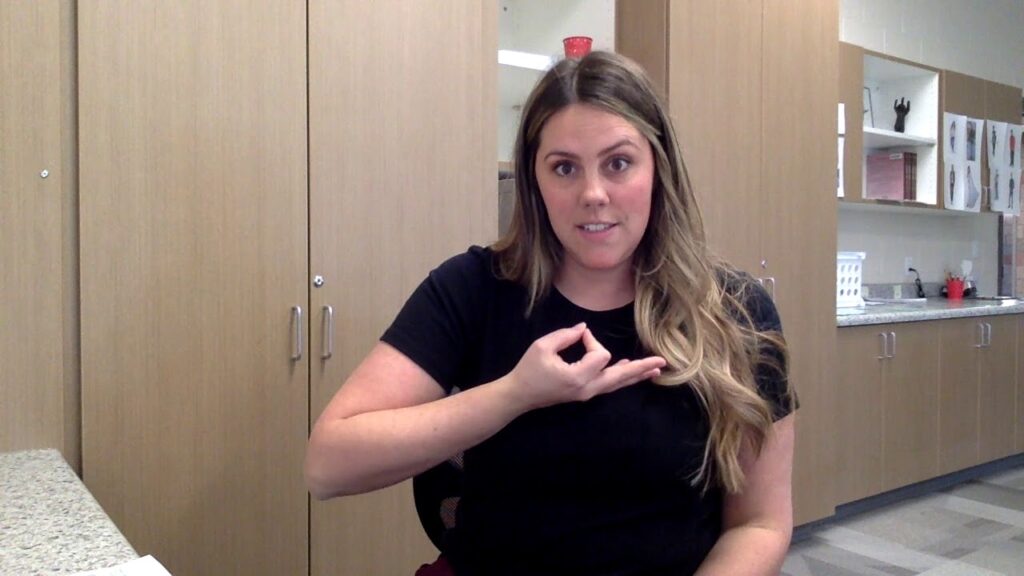
Pronouns in NZSL are essential for effective communication within the Deaf community. They help to indicate who or what is being referred to in a conversation, making it easier for signers to follow along. This sign is commonly used in everyday interactions among Deaf individuals in New Zealand.
Table of Contents
How to Sign “Pronouns” in NZSL
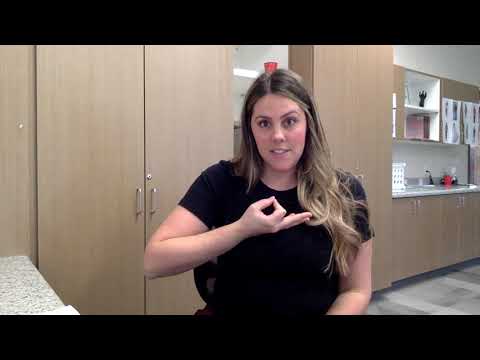
- Start with your dominant hand in a flat “B” handshape.
- Position your hand at chest height, palm facing outward.
- Move your hand slightly forward and then back to the original position, maintaining the “B” handshape throughout.
- Use a facial expression that shows engagement, perhaps raising your eyebrows slightly to indicate the importance of the pronouns in context.
Common Mistakes
- Forgetting to maintain facial expressions, which can make the sign less clear.
- Incorrectly using a closed fist instead of the flat “B” handshape.
- Omitting the movement, which is crucial for conveying the meaning of the sign accurately.
NZSL vs ASL
In NZSL, the sign for pronouns involves a flat handshape and a specific movement, while in ASL, the sign may differ in handshape and motion. Understanding these differences is important for those familiar with ASL but learning NZSL.
Related Signs
- (All Of) You – A sign used to refer collectively to a group.
- (All Of) Youyou Allkoutou (Katoa)Pronoun – A specific sign for emphasizing multiple people.
- (Baby’s) Dummy – A sign referring to a baby’s pacifier, showing the versatility of pronouns.
- (Be) Careful – A sign that can be used in contexts where pronouns are also involved.
Frequently Asked Questions
How do I use pronouns in NZSL sentences?
Pronouns can be used to replace nouns in sentences for clarity. For example, instead of repeating a person’s name, you can use their pronoun once established.
Are there regional variations in the sign for pronouns across New Zealand?
While the core sign remains consistent, some regions may have slight variations in handshape or movement. Observing local signers can help you adapt.
What are some signs similar to pronouns in NZSL?
Signs like “you,” “he,” “she,” and “they” are closely related and often used in conjunction with the sign for pronouns.
What tips can help me learn pronouns in NZSL?
Practice with native signers, watch videos for visual cues, and use facial expressions to convey meaning effectively.
Can pronouns be used in storytelling?
Absolutely! Using pronouns in storytelling helps to keep the narrative clear and engaging for the audience.
Is there a difference in signing pronouns for different contexts?
Yes, context can change how you use pronouns, especially in formal vs. informal settings. Pay attention to the dynamics of your conversation.
Practice This Sign
Try signing Pronouns with your camera and get AI coaching on your handshape, movement, and location.
Free · No signup required