
Pronouns (noun) in New Zealand Sign Language (NZSL)
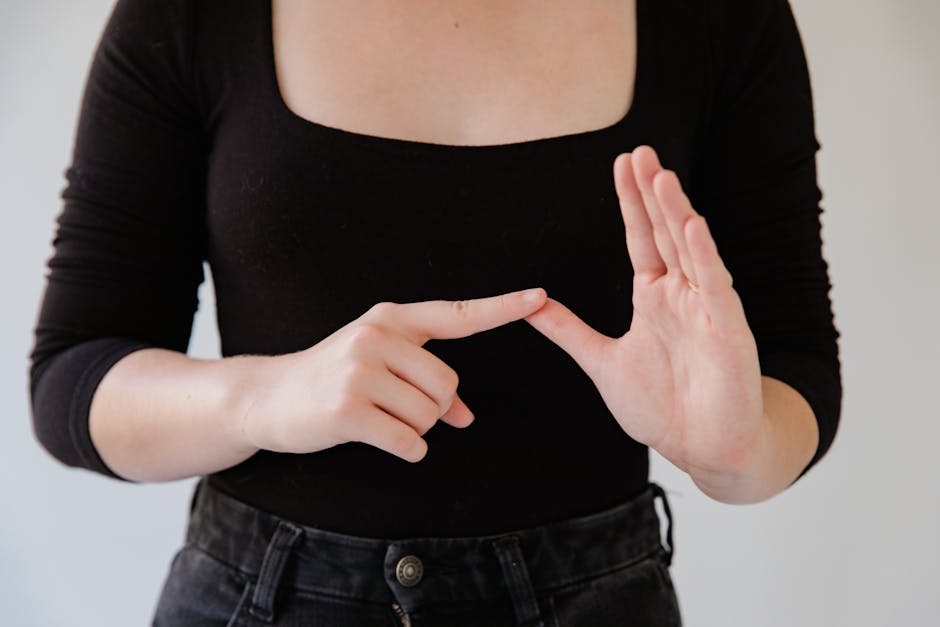
The sign “pronounspointingtūpounoun; verb” is commonly used in the New Zealand Deaf community to indicate a subject’s pronouns, emphasizing the importance of recognizing and respecting individual identities. This sign can be used in various contexts, such as introductions or discussions about personal identity. Understanding and using pronouns correctly is a key part of inclusive communication.
Table of Contents
How to Sign “PronounspointingtūPounoun; Verb” in NZSL
- Start with your non-dominant hand open, palm facing inwards, and fingers together.
- With your dominant hand, use your index finger to point to the non-dominant hand.
- Maintain eye contact, and nod slightly to indicate affirmation while you sign.
- For specific pronouns, adjust the direction of your index finger based on the subject being referred to (e.g., point towards yourself for “I”, or to the person you are addressing for “you”).
Common Mistakes
- Using the wrong direction when pointing, which can confuse the intended pronoun.
- Not maintaining facial expressions, which are crucial for conveying meaning in NZSL.
- Performing the sign too quickly without ensuring clarity in the movement.
NZSL vs ASL
In NZSL, the sign for “pronounspointingtūpounoun; verb” emphasizes the direction of the point to indicate the subject, while in ASL, the sign may involve different handshapes and movements. The cultural context in NZSL also plays a significant role in how identity and pronouns are expressed, reflecting the unique aspects of the New Zealand Deaf community.
Related Signs
- (All Of) You – A sign to refer to a group collectively.
- (All Of) Youyou Allkoutou (Katoa)Pronoun – Another sign for addressing multiple individuals.
- (Be) Careful – A sign for caution.
- (Be) Born, (Give) Birth – Related to identity and personal stories.
Frequently Asked Questions
How do I use this sign in a sentence?
You can integrate the sign into sentences by pointing to the relevant pronoun when discussing someone’s identity or preferences, like saying, “They prefer using he/him pronouns.”
Are there regional variations for this sign in New Zealand?
While the sign is generally consistent, some regional variations might exist, particularly in more rural areas where local signs may develop.
What are some signs similar to this one?
Related signs include those for personal pronouns like “I,” “you,” and “they,” which also involve pointing but might differ slightly in handshape or movement.
What tips do you have for learning this sign?
Practice in front of a mirror to check your hand positioning and facial expressions, and consider joining a Deaf community group for immersive learning.
Can this sign be used in formal settings?
Yes, using correct pronouns is essential in both formal and informal settings, so this sign is important for respectful communication.
What if I don’t know someone’s pronouns?
It’s always best to ask politely what pronouns someone uses, and if you’re unsure, you can use their name until you find out.
Practice This Sign
Try signing PronounspointingtūPounoun; Verb with your camera and get AI coaching on your handshape, movement, and location.
Free · No signup required