
NZSL Official Language in New Zealand Sign Language (NZSL)

The sign for “nzsl official language” refers to New Zealand Sign Language, which was officially recognized as one of New Zealand‘s languages in 2006. This sign is commonly used within the Deaf community to emphasize the importance and status of NZSL in New Zealand, particularly during discussions about language rights and cultural identity.
Table of Contents
How to Sign “Nzsl Official Language” in NZSL
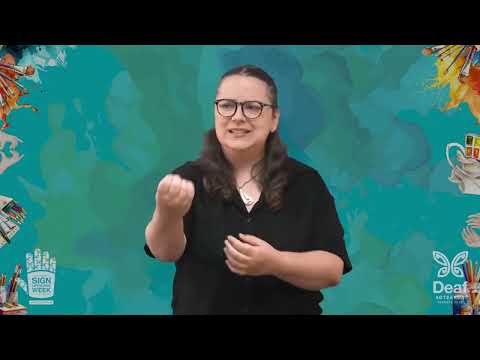
- Start with your dominant hand in the “B” handshape (fingers extended together, palm facing forward).
- Position your dominant hand in front of you at chest height, slightly to the side.
- Make a small circular motion with your hand to indicate the concept of “language.”
- Next, transition to the non-dominant hand, which should be in the “L” handshape (thumb and index finger extended, other fingers folded down).
- Place the “L” handshape in front of your dominant hand, palm facing toward you.
- Bring your dominant hand down to meet the non-dominant hand, maintaining the circular motion, to convey the idea of “official.”
- Throughout the sign, maintain a neutral facial expression, or add a slight nod to show affirmation of the statement.
Common Mistakes
- Forgetting to use the correct handshapes can lead to confusion. Ensure you are using “B” and “L” handshapes accurately.
- Not incorporating facial expressions can make the sign less impactful; remember to express affirmation or seriousness as needed.
- Making large, exaggerated movements instead of the small circular motion can alter the meaning of the sign.
NZSL vs ASL
In NZSL, the sign for “official language” incorporates specific handshapes and movements that reflect its unique cultural context. In contrast, ASL has a different sign that involves a more straightforward representation of the concept. This highlights how NZSL draws from both local influences and features that distinguish it from American Sign Language.
Related Signs
- Nzsl – Referring specifically to New Zealand Sign Language.
- Asl – The sign for American Sign Language.
- 1 – The sign for the number one.
- 10 – The sign for the number ten.
- 100 – The sign for the number one hundred.
Frequently Asked Questions
How can I use this sign in a sentence?
You can use this sign when discussing topics related to language rights, such as: “NZSL is the official language of New Zealand.”
Are there any regional variations in signing this?
While the basic sign remains consistent across New Zealand, some regions may have slight variations in hand movement or speed.
What similar signs should I know?
It’s helpful to learn signs such as “language,” “Deaf,” and “community,” as they often come up in discussions about NZSL.
What tips do you have for learning this sign?
Practice in front of a mirror to check your handshapes and movements, and consider watching native signers to get a feel for the sign’s rhythm.
Can I use this sign in formal settings?
Yes, using this sign in formal settings, such as meetings or presentations, is appropriate and shows respect for NZSL as an official language.
What is the significance of NZSL as an official language?
NZSL’s recognition promotes equal rights for Deaf people and acknowledges their cultural identity, enhancing visibility and respect for the language.
Practice This Sign
Try signing Nzsl Official Language with your camera and get AI coaching on your handshape, movement, and location.
Free · No signup required