
10 in Sign Language (ASL)
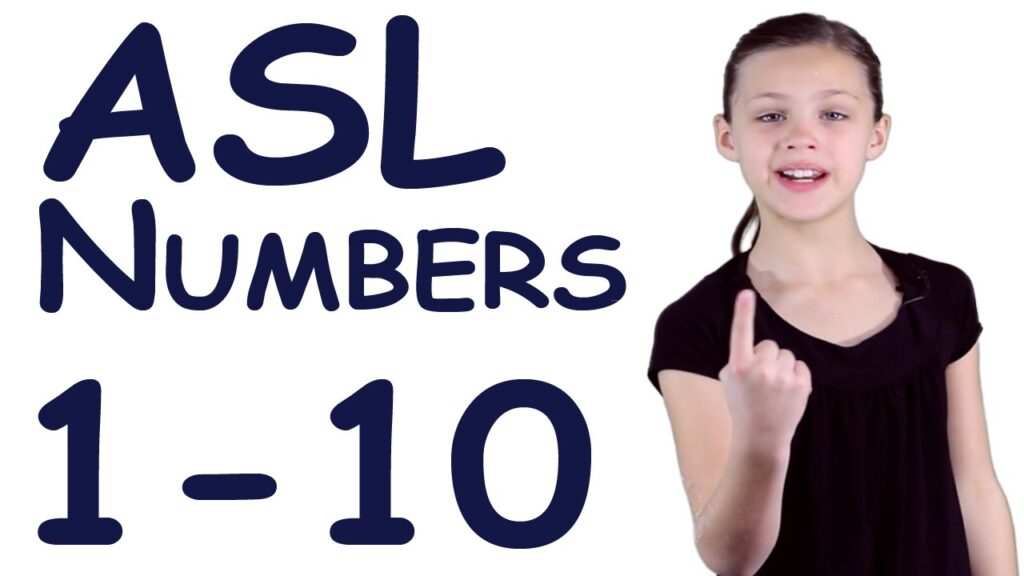
The sign “10” represents the number ten and is commonly used in various contexts, such as counting, expressing quantities, or indicating time. It is an essential part of communication in both casual and formal settings among Deaf individuals. Understanding how to use this sign effectively will enhance your ability to engage in conversations involving numbers.
[VIDEO_PLACEHOLDER]
Table of Contents
Forming the sign
- Handshape: The sign for “10” uses the index finger and thumb to form the number. You can create this shape by extending your thumb and index finger while keeping your other fingers folded down.
- Location: Position your dominant hand in front of your body, usually at about chest level. This placement makes it easy to incorporate into a conversation without obstructing your view.
- Movement: The movement for “10” is a simple upward motion, almost as if you are flicking the fingers upward. This slight movement adds emphasis to the sign and signifies the number clearly.
- Non-manual signals: While signing “10,” you may want to incorporate facial expressions that match the context. For example, if you’re excited about something involving the number ten, a smile or raised eyebrows can convey that emotion effectively.
When forming the sign, ensure that your handshape is clear and that your movements are smooth, as clarity is key in ASL. Practicing in front of a mirror can help you refine your technique and ensure that you are using the correct handshape and location.
Words/quantities you’ll use it for
The sign “10” can be used in various contexts, such as:
- Counting items: “I have 10 apples.”
- Indicating time: “The meeting is at 10 o’clock.”
- Expressing age: “She is 10 years old.”
- Scoring in games: “We scored 10 points.”
Common confusion with a similar sign
Some learners may confuse the sign “10” with the sign for “more” or “many,” which uses a similar handshape but with a different movement. Understanding the context and the specific movements associated with each sign can help clarify such confusion.
FAQ
How can I practice signing “10”?
Practice by counting up to ten using your fingers, then incorporate the sign for “10” into sentences. You can also practice with partners to simulate real conversations.
Is “10” used differently in different regions?
The sign “10” is generally consistent across various regions, but some local dialects may have unique variations. Observing native signers can provide insights into these differences.
Can I use “10” in a series of numbers?
Yes, you can incorporate the sign “10” in sequences, such as when counting or listing items, but make sure to pause between each sign to maintain clarity.
What should I avoid when signing “10”?
Avoid using an unclear handshape or overly fast movements, as that can lead to misunderstandings. Always aim for clarity and precision in your signs.
Practice ASL Signs
Use your camera to practice signs and get real-time AI feedback on your technique.
Free · No signup required