
NZSL Fingerspelling in New Zealand Sign Language (NZSL)
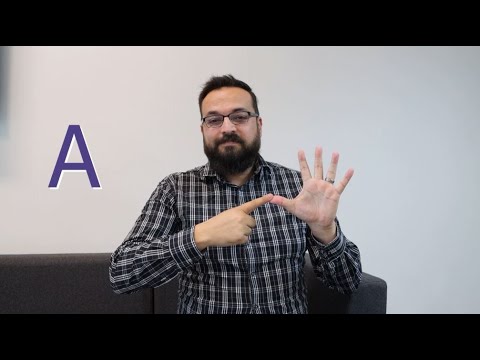
The NZSL fingerspelling sign is used to spell out words letter by letter in New Zealand Sign Language. It is commonly used to express names, places, or specific terms that may not have a unique NZSL sign. Fingerspelling is an essential skill for effective communication within the Deaf community, especially when introducing new vocabulary or proper nouns.
Table of Contents
How to Sign “Nzsl Fingerspelling” in NZSL
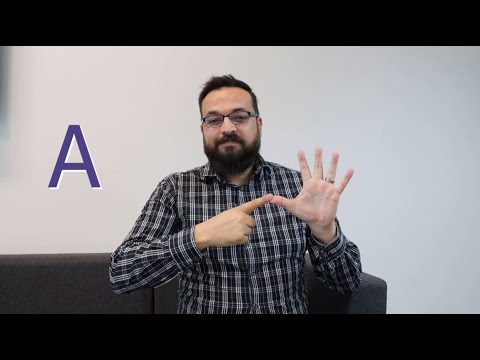
- Start with your dominant hand in a flat shape, palm facing forward.
- Position your hand near your chest, at about shoulder height.
- Begin moving your hand from side to side in a gentle, flowing motion as you spell out each letter of the word you want to communicate.
- Make sure to clearly form each letter with your fingers, maintaining a relaxed and open expression to show that you are engaged in the conversation.
Common Mistakes
- Rushing through the letters, making them difficult to understand.
- Incorrect hand shapes for specific letters, which can confuse the message.
- Not maintaining appropriate facial expressions, which are important for conveying tone and engagement.
NZSL vs ASL
While both NZSL and ASL use fingerspelling, the hand shapes and movements for certain letters can differ significantly. For instance, the “A” and “B” handshapes in NZSL may look different than in ASL. Familiarity with NZSL fingerspelling is essential for clear communication within the New Zealand Deaf community.
Related Signs
- Nzsl – The sign representing New Zealand Sign Language.
- Asl – The sign for American Sign Language, which has different fingerspelling.
- 1 – The sign for the number one.
- 10 – The sign for the number ten.
- 100 – The sign for the number one hundred.
Frequently Asked Questions
How do I use fingerspelling in a sentence?
You can use fingerspelling to introduce proper nouns or specific terms that don’t have a unique sign. For example, to say “My name is” followed by your name, you would sign the phrase and then fingerspell your name.
Are there regional variations in fingerspelling across New Zealand?
Yes, there may be subtle regional variations in how fingerspelling is performed, particularly influenced by local Deaf communities. Practicing with native users can help you understand these differences.
What are some similar signs to fingerspelling?
Signs like numbers and common letters can be related to fingerspelling, as they often require similar hand shapes and movements. Learning these can enhance your fingerspelling skills.
How can I improve my fingerspelling?
Regular practice is key. Try to fingerspell words daily, and seek feedback from fluent signers. Watching fingerspelling in context, such as videos, can also help.
Can I use fingerspelling for any word?
Fingerspelling is typically used for proper nouns and terms that don’t have established signs. For everyday vocabulary, try to learn the specific NZSL signs.
Is fingerspelling used in all sign languages?
Not all sign languages use fingerspelling, but many, including NZSL and ASL, do. Each language has its own system and rules for fingerspelling.
How does NZSL incorporate te reo Māori in fingerspelling?
NZSL sometimes includes signs that reflect te reo Māori, particularly when spelling Māori names or words. Being aware of cultural significance is essential when using these signs.
Practice This Sign
Try signing Nzsl Fingerspelling with your camera and get AI coaching on your handshape, movement, and location.
Free · No signup required