
Iceland in New Zealand Sign Language (NZSL)
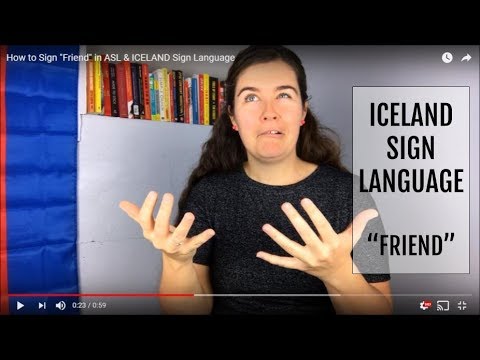
The sign for “Iceland” in NZSL represents the beautiful Nordic island known for its stunning landscapes and unique culture. This sign is commonly used when discussing travel destinations or sharing experiences related to Iceland within the NZ Deaf community.
Table of Contents
How to Sign “Iceland” in NZSL
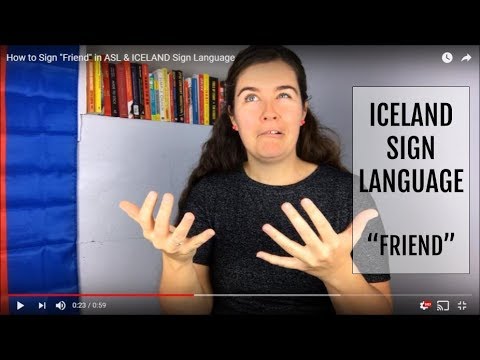
- Start with your dominant hand in a flat “B” handshape (palm facing down).
- Position your hand in front of your chest at about shoulder height.
- Move your hand in a small circular motion, simulating the shape of the island.
- Maintain a neutral facial expression, or use a facial expression that reflects your feelings about Iceland.
Common Mistakes
- Confusing the handshape with an “L” shape instead of a flat “B”.
- Making the circular motion too large, which can distort the sign.
- Forgetting to include facial expressions, which are important in NZSL for conveying emotion and context.
NZSL vs ASL
In NZSL, the sign for “Iceland” involves a flat “B” handshape and a circular motion, while in ASL, the sign may differ significantly, often incorporating different handshapes and movements. This highlights the unique features of NZSL as a distinct language, influenced by its own cultural context.
Related Signs
- Ice – Sign for frozen water.
- Land – Sign referring to ground or terrain.
- Cold – Sign expressing low temperature.
- Snow – Sign for frozen precipitation.
Using “Iceland” in Everyday Conversations
Incorporating the sign for “Iceland” into everyday conversations can enhance communication and show cultural awareness. Here are a few example sentences where this sign might naturally fit:
- “Iceland very beautiful.” — This sentence can be used when discussing travel destinations or sharing experiences about places you’ve visited.
- “Iceland has many volcanoes.” — This could come up during a conversation about geography or natural wonders, especially when discussing climate or nature.
- “I want to visit Iceland one day.” — Use this when dreaming about future travels with friends or sharing bucket list ideas.
These examples show how the sign can be seamlessly integrated into discussions, making it relevant to everyday topics.
Cultural Notes
The sign for “Iceland” holds a special place in the New Zealand Deaf community, reflecting the global connections that Deaf individuals often share. NZSL was recognized as an official language of New Zealand in 2006, affirming its importance in Deaf culture and communication. This recognition has led to increased visibility and appreciation of NZSL, influencing how signs like “Iceland” are used in conversations.
Additionally, the integration of te reo Māori into NZSL is a significant cultural aspect. Many Deaf individuals in New Zealand are also aware of the Māori language and culture, which enriches the experience of learning and using NZSL. While regional variations exist, such as different signs or preferences in usage, the Deaf community often embraces these differences, fostering a sense of unity and shared identity.
Tips for Learning This Sign
Practicing the sign for “Iceland” can be both enjoyable and effective. Here are some concrete ways to reinforce your learning:
- Mirror Practice: Stand in front of a mirror while you practice the sign. This allows you to observe your handshape and placement, ensuring accuracy.
- Facial Expressions: Pay attention to your facial expressions when signing. They can convey additional meaning and emotion, making your communication more engaging.
- Short Signed Sentences: Use the sign in short sentences or phrases. For example, after learning “Iceland,” try incorporating it into discussions about weather or travel plans.
By incorporating these tips into your practice routine, you’ll find the sign for “Iceland” becomes a natural part of your NZSL vocabulary.
Frequently Asked Questions
How can “Iceland” be used in a sentence?
Example: “I want to visit Iceland next summer!” signed as: “I WANT VISIT ICELAND NEXT SUMMER!”
Are there regional variations for this sign across New Zealand?
The sign for “Iceland” is generally consistent across New Zealand, though minor variations may occur in different communities.
What are some similar signs to “Iceland”?
Signs like Ice and Cold relate to the climate and environment of Iceland.
What tips do you have for learning this sign?
Practice in front of a mirror to check your handshape and movement. Watching native signers can also be beneficial.
Can I use the sign for “Iceland” in casual conversation?
Yes, this sign is appropriate in both casual and formal discussions about travel or geography.
What resources can help me improve my NZSL skills?
Consider online courses, local classes, or community events where you can practice with others.
Practice This Sign
Try signing Iceland with your camera and get AI coaching on your handshape, movement, and location.
Free · No signup required