
Home (adverb) in New Zealand Sign Language (NZSL)
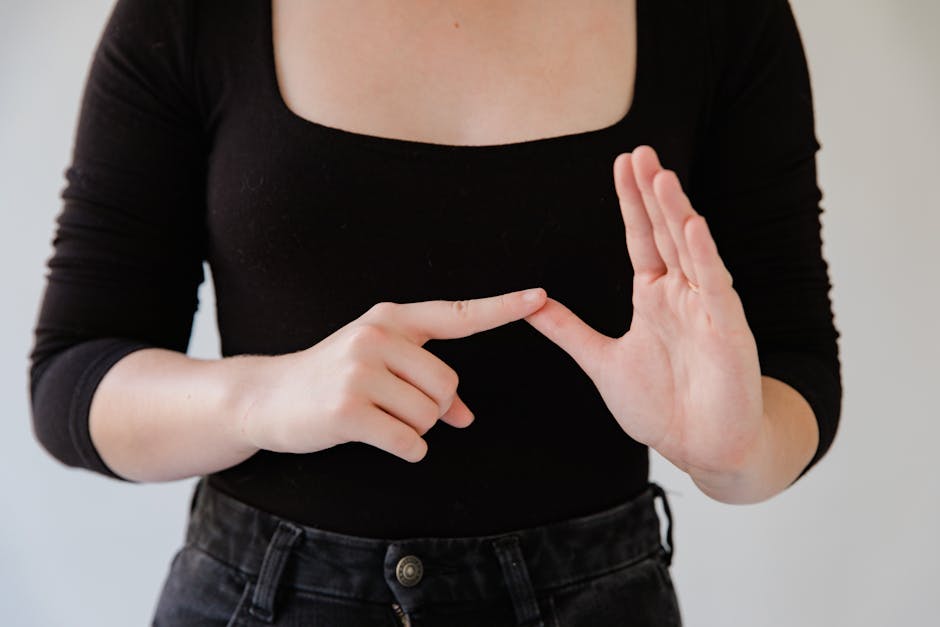
The sign “homehousekāinga” represents the concept of home or house in the New Zealand Deaf community. It is commonly used to refer to one’s own home or to talk about the idea of home in a broader sense. This sign reflects the importance of home as a place of belonging and comfort within the community.
Table of Contents
How to Sign “Homehousekāingaadverb; Noun” in NZSL
- Start with both hands in a flat ‘B’ handshape (fingers extended and together, palm facing down).
- Position your hands together at chest height, with the palms facing each other.
- Move your hands outward in a gentle arc while keeping the palms facing each other, as if you are creating a shape of a house.
- As you move your hands, incorporate a facial expression that conveys warmth and comfort, reflecting the meaning of home.
Common Mistakes
- Confusing the handshape; learners might use a fist instead of the flat ‘B’ handshape.
- Not incorporating facial expressions, which are crucial in NZSL to convey meaning.
- Moving the hands too quickly, making the sign unclear.
NZSL vs ASL
In NZSL, “homehousekāinga” uses a distinctive handshape and movement that reflects the cultural concept of home. In contrast, ASL has a different sign for “home,” which involves a single hand moving from the chin to the side of the face. These variations highlight the unique aspects of NZSL and its cultural context.
Related Signs
- Family – Sign for family members and relationships.
- Friend – Sign used to indicate friendship or companionship.
- Community – Represents the idea of a group or community.
- Happy – Sign expressing happiness or joy, often related to home.
- Welcome – Sign used to invite someone into your home or space.
Frequently Asked Questions
How do I use “homehousekāinga” in a sentence?
You can use this sign to express where you live, such as “I go home” by combining it with the sign for ‘go’ before the home sign.
Are there regional variations for this sign in New Zealand?
While “homehousekāinga” is widely understood, some regions may have slight variations in handshape or movement, reflecting local Deaf culture.
Is there a sign for ‘house’ that is different from ‘home’?
Yes, while “homehousekāinga” emphasizes the emotional aspect of home, there might be a different sign that refers to a physical house without the emotional context.
What are some similar signs to “homehousekāinga”?
Signs like “family,” “community,” and “welcome” are related, as they all pertain to social connections often associated with home.
What tips can you give for learning this sign?
Practice in front of a mirror to perfect your handshape and movements, and pay attention to facial expressions to convey the right meaning.
Can I use this sign in a conversation about my family?
Absolutely! “homehousekāinga” can be used to discuss family gatherings or the feeling of being at home with loved ones.
Practice This Sign
Try signing HomehousekāIngaadverb; Noun with your camera and get AI coaching on your handshape, movement, and location.
Free · No signup required