
Cold, Winter (adjective) in New Zealand Sign Language (NZSL)
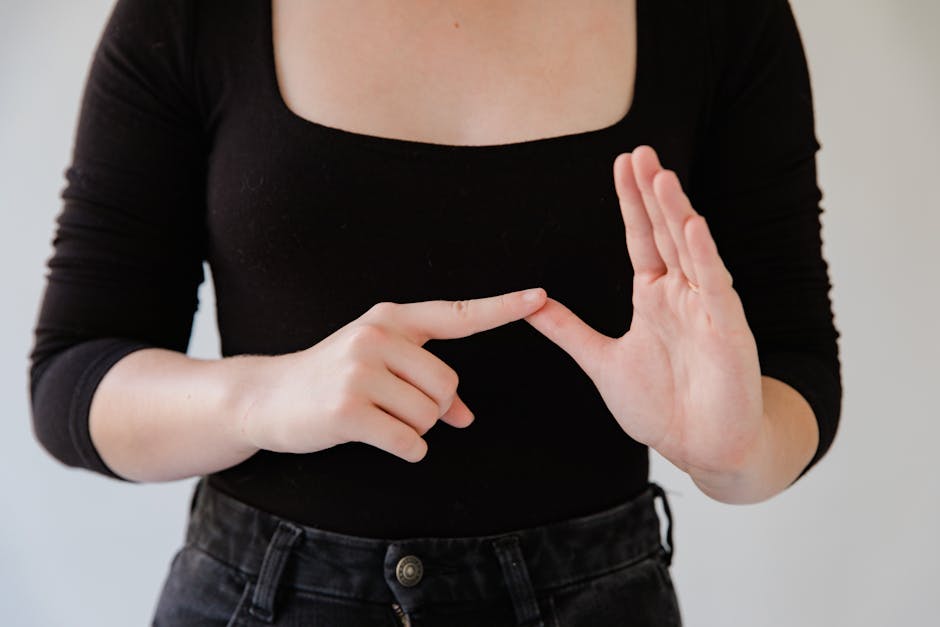
The sign for “cold, winterautumn, chillymakariri, hōtoke” is commonly used in the New Zealand Deaf community to describe the chilly temperatures typically associated with winter and autumn. This sign can be particularly useful during seasonal conversations or when discussing the weather. It reflects not only the physical sensation of cold but also the cultural significance of the changing seasons in New Zealand.
Table of Contents
How to Sign “Cold, Winterautumn, Chillymakariri, HōTokeadjective; Noun” in NZSL
- Start with both hands in a flat handshape (like a “B” handshape) with palms facing down.
- Bring your hands close together in front of your chest, simulating the feeling of shivering.
- Move your hands outward and slightly downward, as if you are pushing away the cold air.
- Add facial expressions that convey discomfort or shivering, like tightening your lips and slightly squinting your eyes.
Common Mistakes
- Forgetting to use facial expressions, which are essential in NZSL to convey emotion and meaning.
- Using an incorrect handshape; ensure both hands are flat and in the correct position.
- Not moving the hands outward enough, which can make the sign unclear.
NZSL vs ASL
In NZSL, the sign for “cold” emphasizes the sensation of coldness with a shivering motion, while in ASL, it may use different handshapes and movements that don’t convey the same visual sensation. Cultural context also influences how these signs are expressed, emphasizing the unique aspects of each sign language.
Related Signs
- Autumn – Sign for the season that comes before winter.
- Snow – Used to describe snowy conditions, often associated with cold weather.
- Winter – A direct sign for the winter season.
- Chilly – Another sign expressing a feeling of coldness.
Frequently Asked Questions
How can I use “cold” in a sentence?
You can sign “cold” to talk about the weather, such as “It is cold today” (signing “today” after “cold”).
Are there regional variations of this sign in New Zealand?
While the sign for “cold” is generally consistent across New Zealand, some regions may have their own nuances or additional gestures.
What are some similar signs to “cold”?
Related signs include “chilly” and “winter,” which you can use in conjunction with “cold” for more descriptive conversations.
What tips do you have for learning this sign?
Practice in front of a mirror to ensure correct handshape and facial expressions, and consider joining a local Deaf community group for hands-on learning.
Can I use this sign in different contexts?
Yes, “cold” can be used to describe weather, feelings, or even objects that are cold to the touch.
Are there any cultural aspects to consider when using this sign?
Understanding the significance of seasons in New Zealand culture can enhance your use of this sign, especially in conversations about outdoor activities.
Practice This Sign
Try signing Cold, Winterautumn, Chillymakariri, HōTokeadjective; Noun with your camera and get AI coaching on your handshape, movement, and location.
Free · No signup required