
Humiliated (adjective, 2) in New Zealand Sign Language (NZSL)
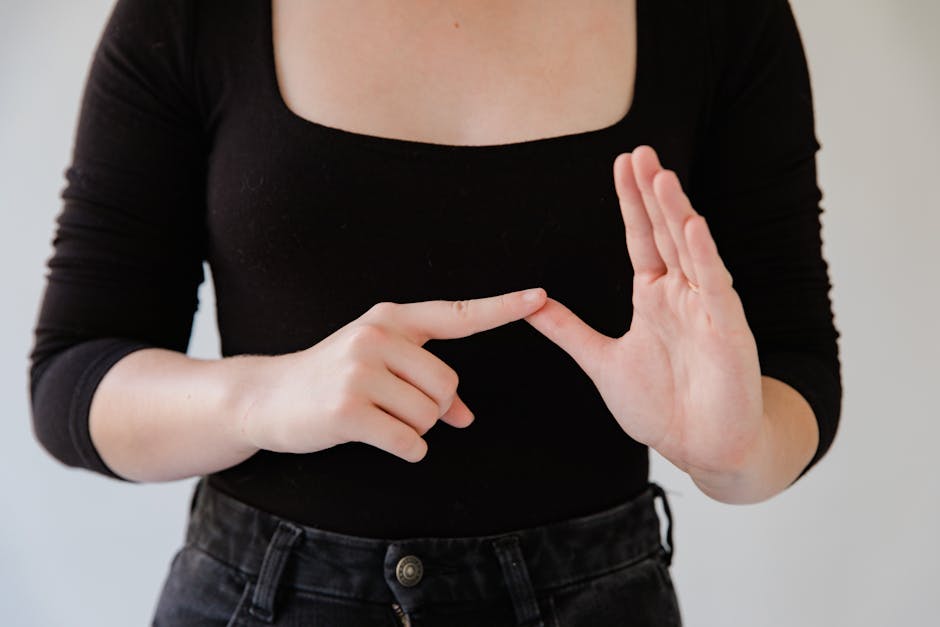
The sign for “humiliated, feel small, humbled” conveys a sense of vulnerability and modesty. It is commonly used in various contexts within the NZ Deaf community to express feelings of embarrassment or a loss of confidence. Understanding this sign can enhance your ability to communicate complex emotions in NZSL.
Table of Contents
How to Sign “Humiliateddeflated, Feel Small, HumbledwhakamāAdjective” in NZSL
- Start with both hands in a loose fist shape, palms facing each other.
- Position your hands at chest level, slightly apart.
- As you begin to sign, draw your hands downwards towards your waist while gradually opening your fists to a flat hand shape.
- Maintain a gentle, downcast facial expression that reflects humility or embarrassment.
- Finish with your hands resting near your sides, showing the feeling of being ‘deflated’ or diminished.
Common Mistakes
- Forgetting to modify facial expressions, which are crucial for conveying the emotional context.
- Not using enough movement when drawing the hands down, which can make the sign appear unclear.
- Inverting the hand shape too early, which can confuse the meaning of the sign.
NZSL vs ASL
In NZSL, the sign for “humiliated” focuses on the motion of drawing hands down to signify feeling small. In contrast, ASL may use a different sign that emphasizes the concept of pride being reduced. This showcases the unique expressions and movements of each language while conveying similar feelings.
Related Signs
- (All Of) You – A sign indicating inclusion or addressing a group.
- (Baby’s) Dummy – A sign for a baby’s pacifier, often used in contexts discussing care.
- (Be) Careful – A sign advising caution or awareness of surroundings.
- (Be) Passive – A sign referring to a state of being non-active or compliant.
Frequently Asked Questions
How can I use this sign in a sentence?
You might say, “I felt humiliated during the presentation” using the sign to express your emotions effectively.
Are there regional variations for this sign in New Zealand?
While the core sign remains consistent, some regional dialects may have slight variations in facial expressions or hand movements.
What other signs are similar to this one?
Signs like “humbled” and “ashamed” convey related feelings and can often be used in similar contexts.
Any tips for learning this sign?
Practice in front of a mirror to ensure your facial expressions match the sign’s meaning, and try to observe native signers.
Can I use this sign in formal settings?
Yes, this sign is appropriate for both casual and formal contexts, as expressing humility is a valuable social skill.
Is this sign commonly used in storytelling?
Absolutely! It can add depth to narratives by illustrating characters’ emotional states.
Practice This Sign
Try signing Humiliateddeflated, Feel Small, HumbledwhakamāAdjective with your camera and get AI coaching on your handshape, movement, and location.
Free · No signup required