
Helmet, Wig in New Zealand Sign Language (NZSL)
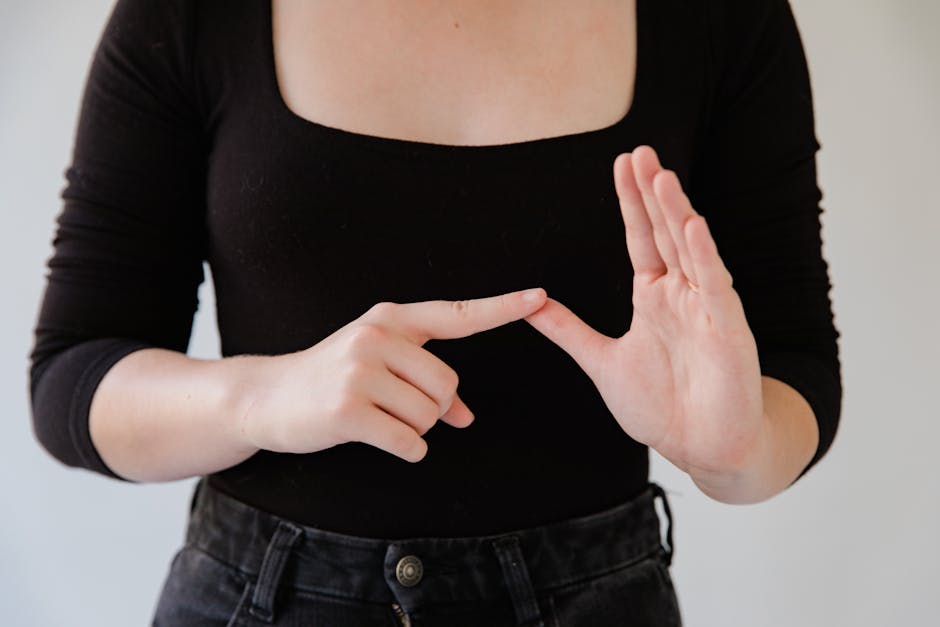
The sign for “helmet, wig” in NZSL represents protective headgear like helmets or ornamental head coverings such as wigs. It’s commonly used in contexts related to safety, sports, or fashion within the New Zealand Deaf community.
Table of Contents
How to Sign “Helmet, Wig” in NZSL

- Begin with your dominant hand in a flat handshape (palm down) above your head.
- Move your hand downwards slightly to indicate the placement of a helmet or wig on your head.
- Maintain a neutral facial expression, or you can add emphasis with a slight nod to indicate importance or relevance.
Common Mistakes
- Using an incorrect handshape; it’s essential to keep the dominant hand flat.
- Moving the hand too far from the head, which can confuse the meaning.
- Neglecting facial expressions that can enhance the sign’s context, such as showing concern for safety.
NZSL vs ASL
In NZSL, the sign for “helmet, wig” is visually distinct from ASL. While NZSL uses a flat handshape to represent the helmet, ASL may incorporate a different handshape and movement to convey a similar concept. This reflects the unique evolution of NZSL influenced by both local culture and British Sign Language.
Related Signs
- (Baby’s) Dummy – Sign for a baby’s pacifier or comfort object.
- (Be) Careful – A sign for caution or being mindful.
- (Be) Born, (Give) Birth – Sign used in discussions about birth and motherhood.
Frequently Asked Questions
How would I use “helmet, wig” in a sentence?
You could say, “I wear a helmet when I ride my bike” by signing “I wear helmet” with appropriate facial expressions to convey safety.
Are there regional variations for this sign across New Zealand?
While the sign is generally consistent, some regions may have slight variations in handshape or movement based on local dialects within the Deaf community.
Are there similar signs for headgear in NZSL?
Yes, signs for items like “hat” or “cap” can differ, often using similar movements but varying in handshape and positioning.
What tips can I use to learn this sign more effectively?
Practice in front of a mirror to check your handshape and movement, and try to incorporate facial expressions to enhance communication.
Is there a specific context for using the sign “helmet, wig”?
This sign is particularly useful in discussions about sports safety, fashion choices, or theatrical performances involving wigs.
Can I use this sign for both helmet and wig interchangeably?
Yes, while context matters, the same sign can generally refer to both a helmet and a wig based on the surrounding conversation.
Practice This Sign
Try signing Helmet, Wig with your camera and get AI coaching on your handshape, movement, and location.
Free · No signup required