
Granddaughter (Māori: mokopuna) in New Zealand Sign Language (NZSL)
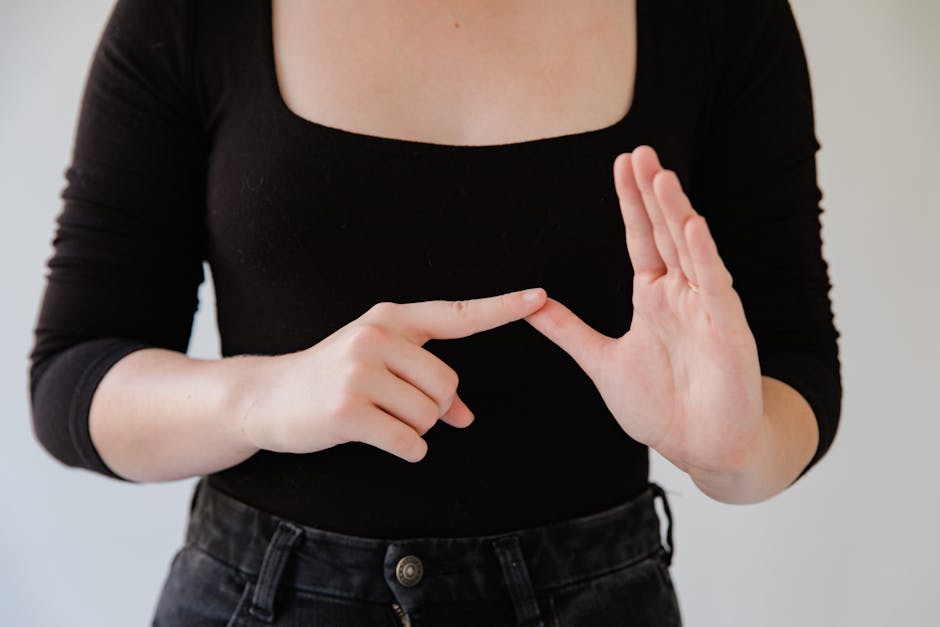
The sign for “granddaughter” in NZSL refers to the female grandchild in a family and is commonly used during family conversations, storytelling, and when discussing family relations. It reflects the strong cultural ties and importance of family within the New Zealand Deaf community.
Table of Contents
How to Sign “Granddaughtermokopunanoun” in NZSL
- Start with your dominant hand in a flat ‘B‘ shape (palm facing down).
- Place your hand near your chin, with the fingers pointing towards your face.
- Move your hand slightly away from your chin in a small circular motion while maintaining the ‘B‘ shape.
- As you perform this motion, your facial expression should be warm and inviting, reflecting affection for your granddaughter.
Common Mistakes
- Forgetting to use the appropriate facial expressions, which can alter the meaning of the sign.
- Using a flat handshape instead of the correct ‘B‘ shape, which can lead to confusion.
- Not making the circular motion, which is essential to convey the sign accurately.
NZSL vs ASL
In NZSL, the sign for “granddaughter” incorporates a specific handshape and movement that may differ from how it’s signed in ASL. ASL may use a different handshape or orientation, showing the unique characteristics of NZSL influenced by its own cultural context and language development.
Related Signs
- (All Of) You – A sign for addressing a group.
- (Baby’s) Dummy – Referring to a pacifier used for infants.
- (Be) Born, (Give) Birth – Discussing the act of giving birth.
- (Be) Careful – A cautionary sign to indicate safety.
- (Be) Passive – A sign indicating a lack of action or response.
Frequently Asked Questions
How can I use “granddaughter” in a sentence?
You might say, “My granddaughter loves to play outside,” by signing “MY GRANDDAUGHTER PLAY OUTSIDE.”
Are there regional variations for this sign across New Zealand?
While the sign for “granddaughter” is generally consistent, some regions might have slight variations in handshape or movement based on local dialects.
What are some similar signs to “granddaughter”?
Related signs include “daughter” and “grandson,” which have their own distinct signs but share similar concepts.
What tips do you have for learning this sign?
Practice in front of a mirror to ensure your handshape and movements are correct, and try using it in sentences to build confidence.
How does this sign evolve with different contexts?
The context in which you use “granddaughter” can change its emotional tone, so adjusting your facial expressions is key to conveying the right message.
Can I combine this sign with others?
Yes! You can combine it with signs for family members or activities to create more detailed sentences.
Is there a specific cultural significance to this sign?
Yes, family is a central aspect of Deaf culture in New Zealand, and the sign reflects the importance of familial connections.
Practice This Sign
Try signing Granddaughtermokopunanoun with your camera and get AI coaching on your handshape, movement, and location.
Free · No signup required