
Babysitter Name in Australian Sign Language (Auslan)

The sign for “babysitter name in Auslan” is used when referring to the specific name of a babysitter. This sign comes in handy when discussing childcare arrangements or introducing the babysitter to someone. It helps to clarify and personalize conversations about childcare.
Table of Contents
How to Sign “Babysitter Name In Auslan”
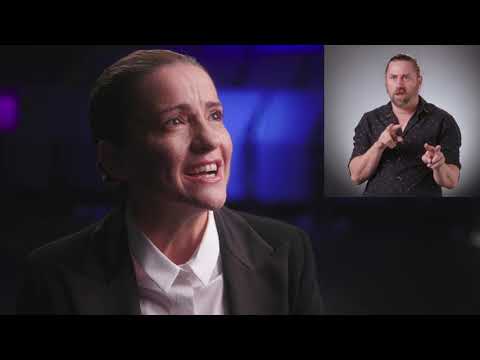
- Start with your dominant hand in a flat handshape (like a “B” handshape) with fingers extended and together.
- Position your hand in front of your chest, palm facing outward.
- Move your hand slightly forward and back a couple of times to indicate that you are referring to a name.
- Maintain eye contact and use a neutral facial expression to convey the context of a babysitter.
Common Mistakes
One common mistake is using the wrong handshape, such as a fist instead of a flat hand. Another error is not moving the hand forward and back, which can make the sign unclear. Lastly, some learners may forget to maintain eye contact, which is essential for clear communication in Auslan.
Related Signs
- 1 – The sign for the number one, often used in counting.
- 1 Dollar – A sign used to discuss currency.
- 10 – The sign for the number ten.
- 100 – The sign for the number one hundred.
- 11 – A sign used for the number eleven.
Using “Babysitter Name” in Everyday Conversations
The sign “Babysitter Name” can be integrated naturally into everyday conversations, especially when discussing family or childcare arrangements. Here are a few example sentences:
- Sentence: “I need to ask the babysitter name for tonight.”
Auslan Sign Order: “ME NEED ASK BABYSITTER NAME FOR TONIGHT.” - Sentence: “Can you tell me the babysitter name you recommended?”
Auslan Sign Order: “YOU TELL ME BABYSITTER NAME RECOMMENDED?” - Sentence: “The babysitter name is Sarah.”
Auslan Sign Order: “BABYSITTER NAME SARAH.”
These examples illustrate how the sign is commonly used when arranging childcare or discussing babysitting options within a community setting.
Cultural Notes
The term “Babysitter Name” holds significance in the Australian Deaf community, reflecting the close-knit nature of social networks. Deaf families often rely on recommendations for babysitters who are familiar with Deaf culture and communication. This ensures that the babysitter can effectively interact with Deaf children, fostering a comfortable environment.
Additionally, there may be subtle variations in the sign depending on regional dialects within Australia. For instance, in some northern regions, the sign may incorporate different facial expressions or slight variations in handshape, whereas southern dialects might emphasize clarity in the signing. Such nuances enrich the language and reflect the diverse experiences within the Deaf community.
Tips for Learning This Sign
To effectively learn and remember the sign “Babysitter Name,” consider the following strategies:
- Mirror Practice: Use a mirror to practice your signing. This allows you to see your own movements and make adjustments to ensure clarity.
- Watch for Non-Manual Features: Pay attention to facial expressions and body language while signing. These non-manual features can enhance the meaning of your signs.
- Incorporate it into Short Signed Sentences: Practice using “Babysitter Name” in context with other signs. For example, create sentences about your daily life that include the sign, which helps reinforce your memory.
By consistently practicing these techniques, you’ll become more confident in using “Babysitter Name” in your conversations.
Frequently Asked Questions
How would I use “babysitter name” in a sentence?
You might say, “My babysitter’s name is Alex,” which would be signed as “MY BABYSITTER NAME ALEX.”
Are there regional variations of this sign?
Yes, some regions may have slight differences in handshape or movement. It’s always good to learn from local Deaf communities.
Is there a similar sign in BSL?
Yes, BSL has its own sign for “babysitter,” but the handshape and movement may differ from Auslan.
What are some teaching tips for this sign?
Practice with a partner to ensure clarity. Focus on facial expressions to convey context and use repetition to reinforce learning.
Can I use this sign for other names?
Yes, you can adapt the sign for any name by using the respective letters or signs for that person’s name.
What if I don’t know the babysitter’s name?
You can use “babysitter” alone or describe their characteristics or role to provide context.
Practice This Sign
Try signing Babysitter Name In Auslan with your camera and get AI coaching on your handshape, movement, and location.
Free · No signup required