
Baby in New Zealand Sign Language (NZSL)
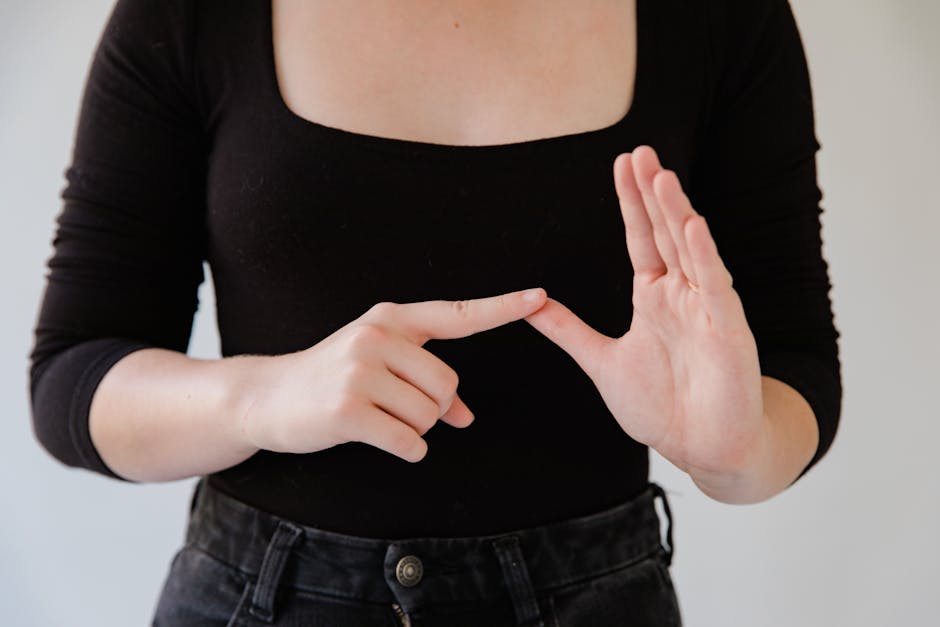
The sign “babyinfantpēpi, kōhungahunga” represents a baby or infant and is commonly used in various contexts within the NZ Deaf community, particularly when discussing young children or caregiving. This sign beautifully illustrates the importance of family and connection in New Zealand culture.
Table of Contents
How to Sign “BabyinfantpēPi, KōHungahunganoun” in NZSL
- Start with your dominant hand in a flat handshape, palm facing up.
- Place your hand at the chest level, slightly in front of you.
- Move your hand gently in an upward motion as if lifting a baby.
- Facial expressions should convey warmth and care, reflecting the tenderness associated with a baby.
Common Mistakes
- Using a fist instead of a flat hand, which may not convey the softness of a baby.
- Moving the hand too quickly, which can seem abrupt and may not reflect the gentle nature of the sign.
- Not using appropriate facial expressions, which are crucial in NZSL for conveying emotions and context.
NZSL vs ASL
In NZSL, the sign for “baby” involves a gentle upward motion with a flat hand, while in ASL, the sign typically uses both hands in a cradling motion. This reflects different cultural expressions and the unique characteristics of each sign language.
Related Signs
- (Baby’s) Dummy – A sign for a pacifier.
- (Be) Born, (Give) Birth – Related to the concept of new life.
- (All Of) You – A sign that can relate to family and caregivers.
- (Be) Careful – Important for handling babies safely.
Frequently Asked Questions
How can I use “baby” in a sentence?
You can say, “The baby is sleeping,” by signing “baby” followed by the sign for “sleep” to indicate what the baby is doing.
Are there regional variations for this sign in New Zealand?
While the sign is generally consistent across New Zealand, some regions might have slight variations in movement or facial expressions.
What sign is similar to “baby”?
The sign for “infant” or “child” shares similar hand shapes but may involve different movements.
What tips do you have for learning this sign?
Practice in front of a mirror to ensure your hand shapes and facial expressions reflect the sign accurately.
Can I use this sign with children?
Yes, using signs like “baby” can help children learn and communicate, fostering early language skills.
What cultural significance does this sign hold?
This sign reflects the importance of family and the nurturing roles within the Deaf community, celebrating the joy of new life.
Practice This Sign
Try signing BabyinfantpēPi, KōHungahunganoun with your camera and get AI coaching on your handshape, movement, and location.
Free · No signup required