
Glory (Māori: korōria) in New Zealand Sign Language (NZSL)
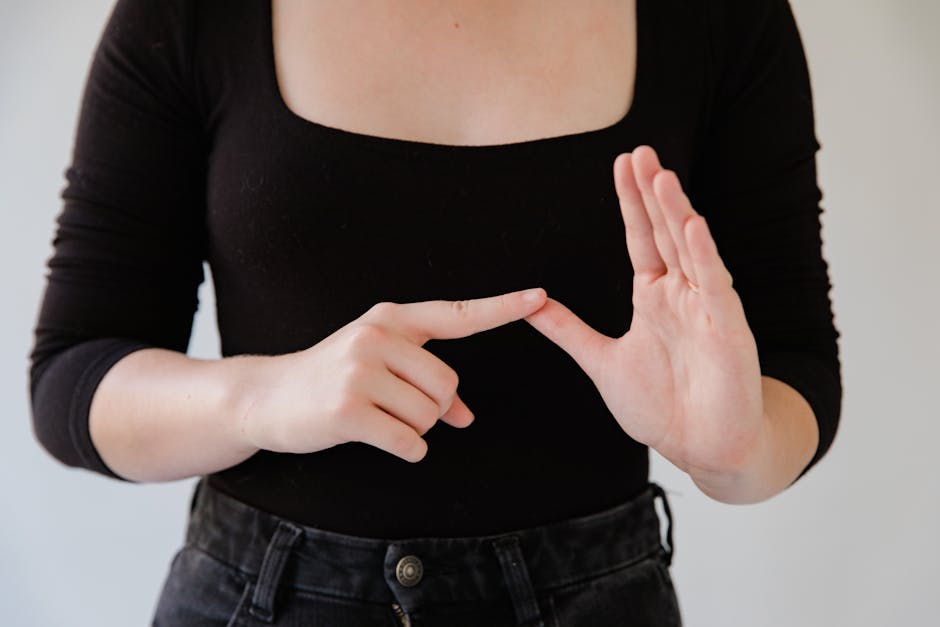
The sign “glorykorōri” in NZSL expresses a sense of pride, admiration, or honour, often used in contexts of celebration or recognition. It’s a beautiful way to convey appreciation for achievements or significant events within the New Zealand Deaf community. You’ll see it used during community gatherings, cultural celebrations, or when expressing gratitude for someone’s contributions.
Table of Contents
How to Sign “GlorykorōRianoun” in NZSL
- Start with both hands in a flattened ‘O’ shape, with palms facing towards you.
- Position your hands at chest height, slightly apart.
- Move your hands upward in a slight arc, while keeping the ‘O’ shape.
- As you lift your hands, open your fingers gradually to represent blossoming or expanding glory.
- Maintain a proud facial expression throughout the sign to convey the emotion of glory.
Common Mistakes
- Forgetting to use a facial expression, which is crucial for conveying the emotion behind the sign.
- Not moving the hands in an upward arc, which can make the sign less impactful.
- Using a flat handshape instead of the ‘O’ shape, which can alter the meaning of the sign.
NZSL vs ASL
In NZSL, “glorykorōri” is signed with both hands in a flattened ‘O’ shape, moving upwards. In contrast, ASL uses a different handshape and movement that may not convey the same cultural nuances as the NZSL version. Understanding these differences highlights the unique aspects of each sign language.
Related Signs
- (All Of) You – A sign used to refer to a group of people collectively.
- (Baby’S) Dummy – Refers to a pacifier used for infants.
- (Be) Careful – A sign that conveys the need for caution.
- (Be) Passive – Used to express a state of being non-active.
Frequently Asked Questions
How can I use “glorykorōri” in a sentence?
You might say, “We celebrated the glorykorōri of our community leaders last night,” using the sign to highlight the pride in their achievements.
Are there regional variations of this sign in New Zealand?
While the sign is generally consistent, some regions may have slight variations in movement or facial expressions, reflecting local dialects within NZSL.
What signs are similar to “glorykorōri”?
Signs like “pride” or “celebration” can convey similar feelings, but each has its unique gesture and meaning within the context.
What tips do you have for learning this sign?
Practice in front of a mirror to check your handshape and movements, and try to incorporate facial expressions to convey emotions effectively.
Can I use this sign in formal settings?
Yes, “glorykorōri” is appropriate for formal events or acknowledgments, especially when expressing respect and admiration.
What cultural significance does this sign hold?
This sign embodies the values of honour and recognition in the Deaf community, celebrating achievements and contributions of individuals and groups alike.
Practice This Sign
Try signing GlorykorōRianoun with your camera and get AI coaching on your handshape, movement, and location.
Free · No signup required