
Gibberish (verb) in New Zealand Sign Language (NZSL)
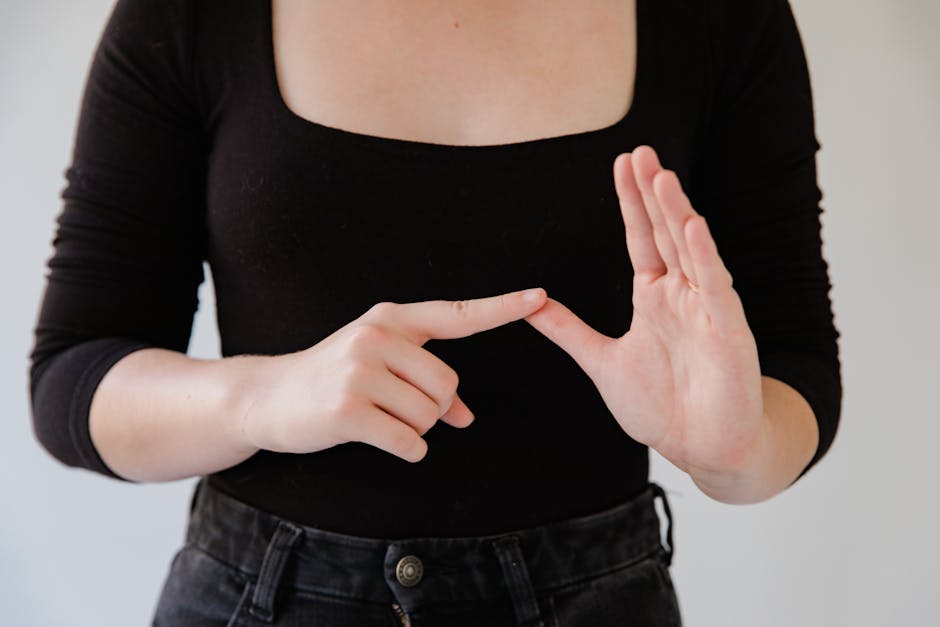
The sign for “gibberish” or “incomprehensible kōrero” captures the essence of communication that is unclear or nonsensical. In the New Zealand Deaf community, this sign is commonly used in casual conversations, often to express frustration or humor when someone is speaking in a way that doesn’t make sense. It can also be used playfully when joking about misunderstandings.
Table of Contents
How to Sign “Gibberishblah Blah, Incomprehensiblekōrero Heahea, Kutukutuahiverb” in NZSL
- Start with both hands in a loose ‘5‘ handshape (fingers spread apart).
- Position your hands in front of your mouth, about chin level.
- Move your hands outward while shaking them slightly side to side, as if you are imitating chaotic speech.
- As you perform this motion, maintain a facial expression that conveys confusion or playfulness, such as raising your eyebrows and widening your eyes.
- Feel free to add in facial expressions or gestures that enhance the meaning, such as shrugging your shoulders or shaking your head.
Common Mistakes
- Using a stiff handshape instead of a relaxed ‘5‘ handshape, which can make the sign look unnatural.
- Not incorporating appropriate facial expressions, which are crucial for conveying the meaning of gibberish.
- Performing the movement too quickly; it’s important to maintain a playful and exaggerated motion to express the concept clearly.
NZSL vs ASL
In NZSL, the sign for “gibberish” involves a more visual and expressive hand movement compared to ASL, where a different sign may be used that focuses more on the mouth movement rather than hand gestures. This reflects the unique characteristics of NZSL and its cultural context.
Related Signs
- (All Of) You – A sign used to refer to a group of people.
- (Baby’s) Dummy – A sign for a pacifier, often used in discussions about babies.
- (Be) Careful – A sign to express caution or the need to be careful.
Frequently Asked Questions
Can I use this sign in a sentence?
Yes! For example, you can say, “What you just said was gibberish,” by incorporating the sign after your statement.
Are there regional variations of this sign across NZ?
While the sign is generally understood, some regions may have slightly different hand movements or expressions, so it’s good to observe local usage.
What are similar signs to “gibberish”?
Signs for “confusion” or “nonsense” may share some similarities, but each has its own unique handshape and movement.
How can I improve my signing skills?
Practice regularly with members of the Deaf community and watch videos to learn different expressions and variations.
Is this sign used in formal settings?
This sign is more casual and is typically used in informal conversations rather than formal contexts.
Are there specific cultural nuances to consider?
Yes, be mindful of context and ensure that the use of this sign is appropriate for the setting and audience.
Practice This Sign
Try signing Gibberishblah Blah, IncomprehensiblekōRero Heahea, Kutukutuahiverb with your camera and get AI coaching on your handshape, movement, and location.
Free · No signup required