
Fountain (noun) in New Zealand Sign Language (NZSL)
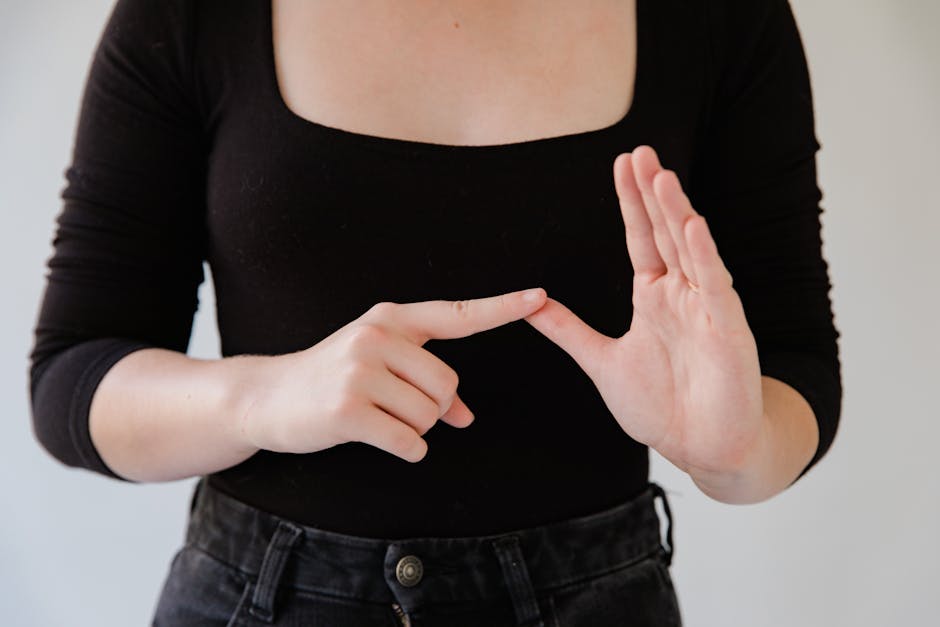
The NZSL sign for “fountainwater fountain, springpuna torotī” represents the concept of a fountain or spring water. This sign is commonly used in conversations about parks, gardens, and places where water features are present. It can also be useful in discussions about nature and environmental topics.
Table of Contents
How to Sign “Fountainwater Fountain, Springpuna TorotīNoun” in NZSL
- Start with your dominant hand in a flat “O” handshape, palm facing down.
- Position your hand above the area where you want to represent the fountain, typically around chest height.
- Move your hand slightly downward while keeping the “O” shape, as if the water is flowing out.
- As you lower your hand, flick your fingers outward to mimic the splashing effect of water.
- Use a facial expression that reflects enjoyment or refreshment, such as a smile, to enhance the meaning.
Common Mistakes
- Using the wrong handshape, such as a flat hand instead of an “O” shape, which can confuse the sign.
- Not using enough movement to represent the flowing water, making the sign less expressive.
- Neglecting facial expressions, which are crucial in NZSL for conveying the full message.
NZSL vs ASL
In NZSL, the sign for “fountain” differs from ASL. While ASL may use a more static handshape, NZSL incorporates movement that mimics the flow of water, highlighting the unique aspects of New Zealand’s natural environment.
Related Signs
- Water – The basic sign for water, often used in various contexts.
- Spring – Refers to the season or the natural water source.
- Rain – Sign describing precipitation, related to water and nature.
- Garden – A sign for outdoor planting areas, often associated with fountains.
- Lake – Refers to larger bodies of water, complementing discussions about fountains.
Frequently Asked Questions
How can I use “fountain” in a sentence?
You might say, “The fountain at the park is beautiful,” which can be signed as “PARK FOUNTAIN BEAUTIFUL.”
Are there regional variations in the sign for fountain?
While the sign is generally consistent, some regions may have slight variations in handshape or movement based on local Deaf culture.
What are some similar signs to “fountain”?
Related signs like “water” and “spring” can be used in similar contexts and may enhance understanding in conversation.
What tips do you have for learning this sign?
Practice in front of a mirror to check your handshape and movement, and try to incorporate facial expressions to improve your delivery.
Can I use this sign in a formal setting?
Yes, this sign is appropriate in both casual and formal settings when discussing water features or nature.
Is “fountain” a common sign in NZSL?
Yes, it’s commonly used in conversations about parks, public spaces, and nature-related topics.
Practice This Sign
Try signing Fountainwater Fountain, Springpuna TorotīNoun with your camera and get AI coaching on your handshape, movement, and location.
Free · No signup required