
Dryermīhini Whakamaroke Kakanoun in New Zealand Sign Language (NZSL)
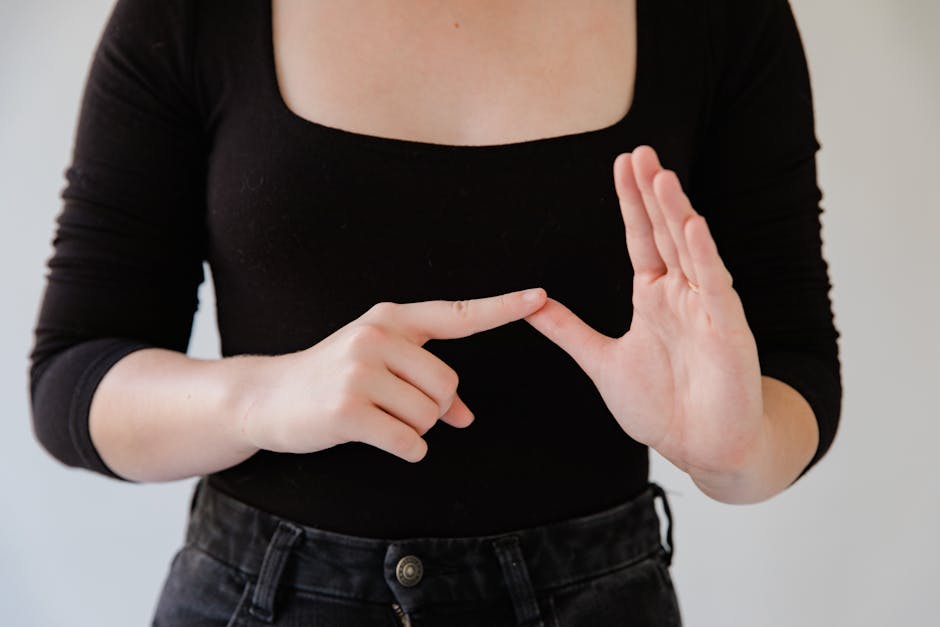
The sign “dryermīhini whakamaroke kakanoun” refers to a clothes dryer, which is commonly used in everyday conversations within the New Zealand Deaf community. This sign is particularly useful when discussing laundry, home appliances, or household chores.
Table of Contents
How to Sign “DryermīHini Whakamaroke Kakanoun” in NZSL
- Start with your dominant hand in a flat “B” shape (palm down).
- Hold your hand in front of your body, about waist height.
- Move your hand in a circular motion to represent the drying action.
- While moving your hand, maintain a neutral facial expression or add a slight smile to indicate a positive context.
Common Mistakes
- Forgetting to maintain the “B” handshape, which can lead to misinterpretation of the sign.
- Using an incorrect hand position, such as raising the hand too high or too low.
- Failing to incorporate facial expressions, which are crucial in NZSL for conveying the right meaning.
NZSL vs ASL
In NZSL, the sign for “dryer” involves a specific handshape and motion that may differ from the American Sign Language (ASL) version. In ASL, the sign is often more abstract and may not include a circular motion, highlighting the unique characteristics of NZSL influenced by its local culture and environment.
Related Signs
- Washing Machine – The sign for the appliance used to wash clothes.
- Laundry – Refers to the process of washing clothes.
- Dry – The action of removing moisture from something.
- Clothes – Sign representing garments worn on the body.
Frequently Asked Questions
How can I use “dryermīhini whakamaroke kakanoun” in a sentence?
You might say, “I will put the clothes in the dryermīhini whakamaroke kakanoun.” This emphasizes the action of using the dryer.
Are there regional variations in how this sign is used?
While the sign is generally consistent across New Zealand, some regions might have slight variations in the handshape or movement due to local dialects.
What signs are similar to “dryermīhini whakamaroke kakanoun”?
Related signs include “laundry” and “washing machine,” which are often used together in conversations about doing the laundry.
What tips do you have for learning this sign?
Practice in front of a mirror and try to incorporate facial expressions to enhance your signing skills.
Can this sign be used in different contexts?
Absolutely! It can be used when discussing laundry day, household chores, or even specific conversations about appliances.
Is it important to use NZSL facial expressions?
Yes, facial expressions play a key role in NZSL, helping to convey context and emotion.
Practice This Sign
Try signing DryermīHini Whakamaroke Kakanoun with your camera and get AI coaching on your handshape, movement, and location.
Free · No signup required