
Dust (noun) in New Zealand Sign Language (NZSL)
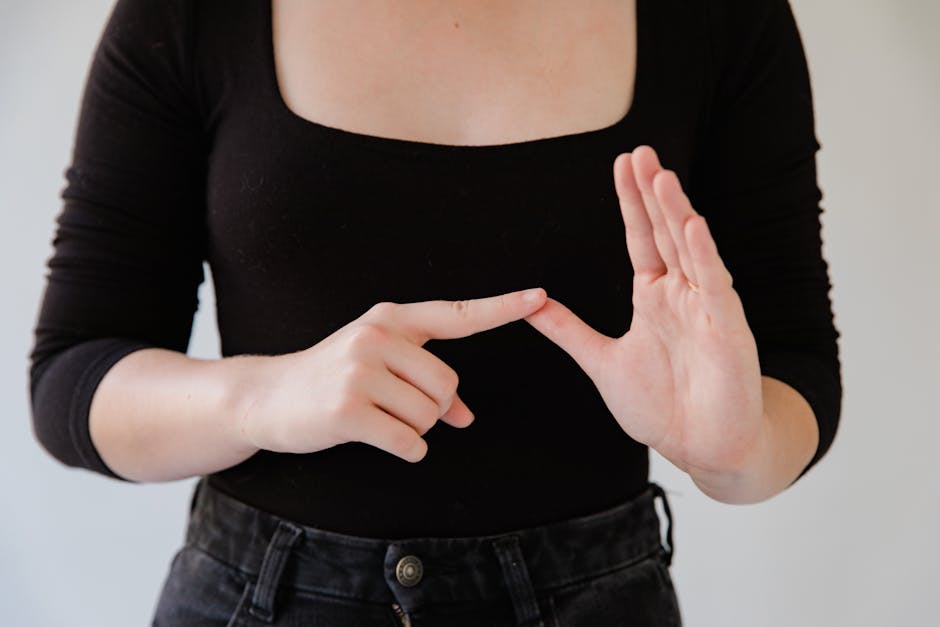
The sign for “dustpan and brush, sweep” in NZSL represents the action of cleaning up debris using a dustpan and brush. It’s commonly used in everyday conversations, especially when discussing household chores or cleaning tasks. This sign is integral to the Deaf community’s vocabulary, reflecting everyday activities and responsibilities.
Table of Contents
How to Sign “Dustpan And Brush, Sweep (With Dustpan And Brush)Brush And Shoveltahitahi Iti Me Tana Hoanoun; Verb” in NZSL
- Start with your dominant hand in a flat handshape, palm facing down, to represent the dustpan.
- Position your non-dominant hand in a similar flat handshape, palm facing up, to represent the brush.
- Bring the dominant hand (dustpan) slightly below your non-dominant hand (brush), mimicking the action of sweeping debris into the pan.
- Move the dominant hand in a scooping motion towards your body, as if collecting dirt into the dustpan.
- Use facial expressions that convey the action of cleaning, such as a focused or satisfied look.
Common Mistakes
- Forgetting to use both hands; learners often use only one hand, which does not accurately convey the action.
- Incorrect hand shapes; ensuring the hands are flat is crucial for clarity.
- Failing to incorporate facial expressions; these are essential in NZSL to convey the action and emotion behind the sign.
NZSL vs ASL
In NZSL, the sign for “dustpan and brush” uses a dual handshape with a specific motion mimicking the sweeping action. In contrast, ASL may use different handshapes and motions, reflecting the distinct linguistic structures of each sign language. While both languages share some similarities due to their historical influences, variations exist in regional signs and expressions.
Related Signs
- (All Of) You
- (Baby’s) Dummy
- (Be) Careful
Frequently Asked Questions
Can I use this sign in a sentence?
Yes! For example, you can say, “I need to dustpan and brush the floor” by incorporating the sign into your sentence structure.
Are there regional variations for this sign in New Zealand?
While the sign is generally consistent, some regions may have slight variations in movement or handshape. It’s helpful to learn from local Deaf community members.
What is a similar sign?
A similar sign is “clean,” which conveys the action of tidying up and can be used in conjunction with the dustpan and brush sign.
What tips do you have for learning this sign?
Practice the motion in front of a mirror to ensure your hand shapes and movements are correct, and don’t forget to incorporate your facial expressions!
How do I incorporate this sign into storytelling?
Use the sign while narrating a story about cleaning or chores to enhance the visual aspect of your storytelling.
Is this sign used in any specific contexts?
This sign is often used in home settings, during discussions about chores, or in educational contexts related to cleaning and maintenance.
Practice This Sign
Try signing Dustpan And Brush, Sweep (With Dustpan And Brush)Brush And Shoveltahitahi Iti Me Tana Hoanoun; Verb with your camera and get AI coaching on your handshape, movement, and location.
Free · No signup required