
Character in Sign Language (ASL)
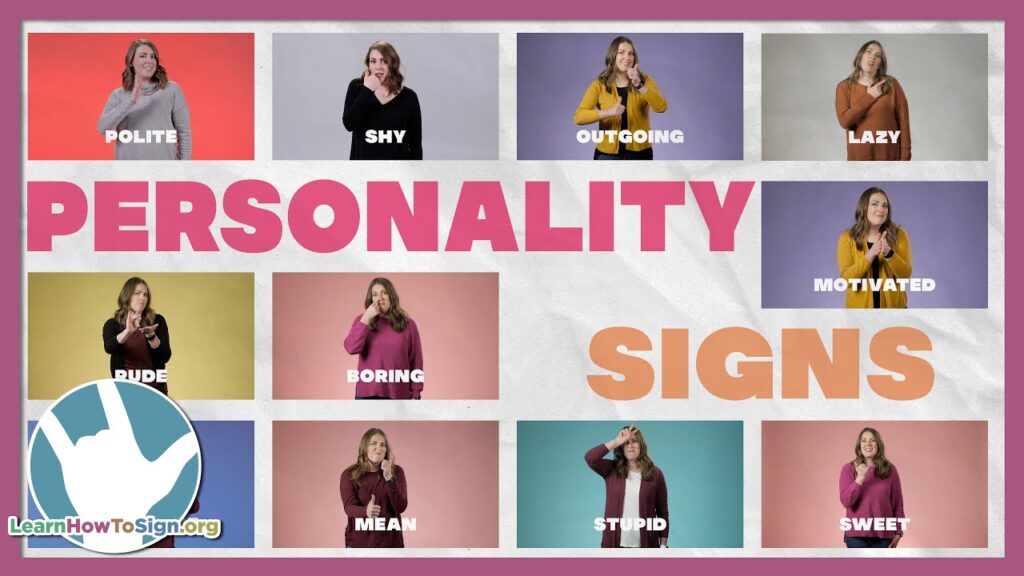
The sign “Character” refers to a person’s traits or qualities, often used in discussions about storytelling, personality, and behavior. It can describe both fictional characters in books or films and the characteristics of real people. This sign is commonly used in various contexts, including education, storytelling, and social interactions.
[VIDEO_PLACEHOLDER]
Table of Contents
How to form the sign “Character”
- Handshape: Form the letter ‘C’ using your dominant hand. The fingers should be curved, resembling the shape of the letter.
- Location: Position your dominant hand in front of your chest, approximately at your heart level. This placement emphasizes the personal aspect of character.
- Movement: Start with your hand shape at the chest, then move it outward slightly while maintaining the ‘C’ shape. This movement signifies the expression of one’s traits or attributes.
- Non-manual signals: Incorporate facial expressions that match the emotion of the character being described. For instance, a frown can denote a villainous character, while a smile can indicate a friendly one.
This sign captures the essence of a character’s qualities, making it a vital part of storytelling or discussing personalities. It’s useful for both formal and informal conversations, allowing for a rich expression of ideas.
Using “Character” in sentences
Here are some examples of how to incorporate the sign “Character” into sentences:
- In storytelling: “I love the main character in this book because she is strong and independent.” The sign “Character” is used here to refer specifically to the fictional persona.
- In discussions about real-life personalities: “His character is very generous; he always helps others.” This application describes the traits of a real person.
- In analyzing narratives: “What do you think of the villain’s character in the movie?” This invites discussion about the traits that define a specific character.
Using “Character” effectively allows you to convey complex ideas about personalities and traits in a visual and engaging way.
Signs related to “Character”
Here are some signs that are often associated with or relevant to the concept of “Character”:
- Personality – Refers to the combination of characteristics or qualities that form an individual’s distinctive character.
- Person – A general term for any individual, which can relate to discussions about character.
- Trait – This sign can be used to specify particular characteristics that define a character.
- Role – Often used in the context of characters in stories, referring to the part they play in a narrative.
Common confusion with a similar sign
Many learners may confuse the sign for “Character” with the sign for “Personality.” While both signs relate to traits and qualities, “Character” often refers to a specific persona or role, whereas “Personality” encompasses a broader range of emotional and behavioral traits. Practicing both signs in context will help clarify their differences and ensure accurate communication.
Frequently Asked Questions
What is the difference between “Character” and “Personality”?
“Character” usually refers to a specific role or persona, while “Personality” encompasses a broader range of traits and behaviors of an individual.
Can I use “Character” to describe real people?
Yes, “Character” can be used to describe both fictional and real individuals, focusing on their specific traits and qualities.
Is there a formal setting where “Character” is commonly used?
Yes, it’s often used in educational settings, literature discussions, and workshops focused on character development in storytelling.
How can I improve my signing of “Character”?
Practice incorporating facial expressions and context to convey the emotional depth of the character being described, enhancing your communication.
Practice ASL Signs
Use your camera to practice signs and get real-time AI feedback on your technique.
Free · No signup required