
Drydrought, Parchedmarokeadjective in New Zealand Sign Language (NZSL)
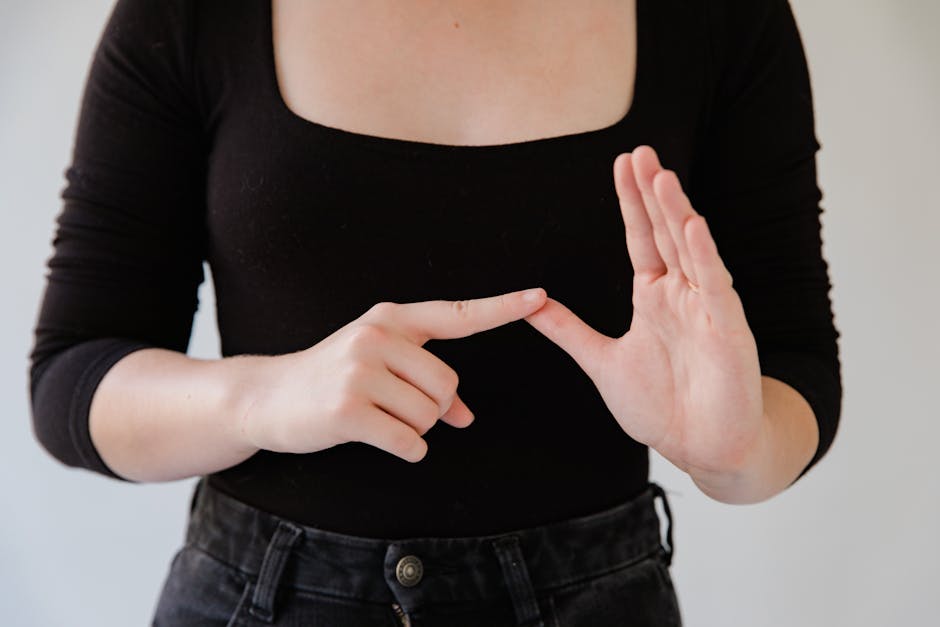
The NZSL sign for “dry,” often used to describe drought or parched conditions, plays an important role in conversations about weather, agriculture, and the environment within the New Zealand Deaf community. This sign is commonly used when discussing the impact of dry weather on crops or water supply.
Table of Contents
How to Sign “Drydrought, Parchedmarokeadjective” in NZSL
- Start with your dominant hand in a flat ‘B’ shape, palm facing down.
- Position your hand near your mouth, with your fingers slightly apart.
- Move your hand away from your mouth, simultaneously curling your fingers inward as if you are grabbing something dry.
- Maintain a serious or slightly concerned facial expression to convey the meaning of drought or parched conditions.
Common Mistakes
- Forgetting to use the appropriate facial expression, which can change the meaning of the sign.
- Using a flat hand shape instead of a ‘B’ hand shape, which can lead to confusion with other signs.
- Not moving the hand away from the mouth, which is essential for conveying the concept of dryness.
NZSL vs ASL
In NZSL, the sign for “dry” emphasizes the action of pulling away to indicate parched conditions. In ASL, the sign differs significantly and may use a different handshape and movement. This highlights the unique characteristics of NZSL as a language influenced by both local context and British Sign Language (BSL).
Related Signs
- Water – The sign for water, often used in discussions about drought.
- Rain – Signifying the opposite of dry conditions, important in weather discussions.
- Soil – Used when talking about agriculture and the land.
- Crop – Relevant in conversations about farming and drought effects.
- Drought – Directly related to dry conditions, useful for discussions about the topic.
Frequently Asked Questions
How can I use “dry” in a sentence?
You can say, “The ground is dry” by signing “ground” followed by the sign for “dry.”
Are there regional variations for this sign in New Zealand?
While the sign is generally consistent, some regions may have slight variations in movement or facial expressions.
What are some signs that are similar to “dry”?
Similar signs include drought and water, which are often used in related contexts.
What tips do you have for learning this sign?
Practice in front of a mirror to ensure your facial expressions match the sign’s meaning and to get the hand shape correct.
Can I use “dry” to describe something other than weather?
Yes, you can use “dry” to describe anything that is parched or lacking moisture, such as dry food.
How do I know if I’m using the correct facial expression?
Watch video demonstrations and practice with Deaf peers who can provide feedback on your expressions.
Is this sign used in formal contexts?
Yes, the sign is appropriate for both casual and formal conversations, especially when discussing environmental issues.
Practice This Sign
Try signing Drydrought, Parchedmarokeadjective with your camera and get AI coaching on your handshape, movement, and location.
Free · No signup required