
Disability, Disabled (Māori: whaikaha, tangata whaikaha, hauātanga, tangata hauā) in New Zealand Sign Language (NZSL)
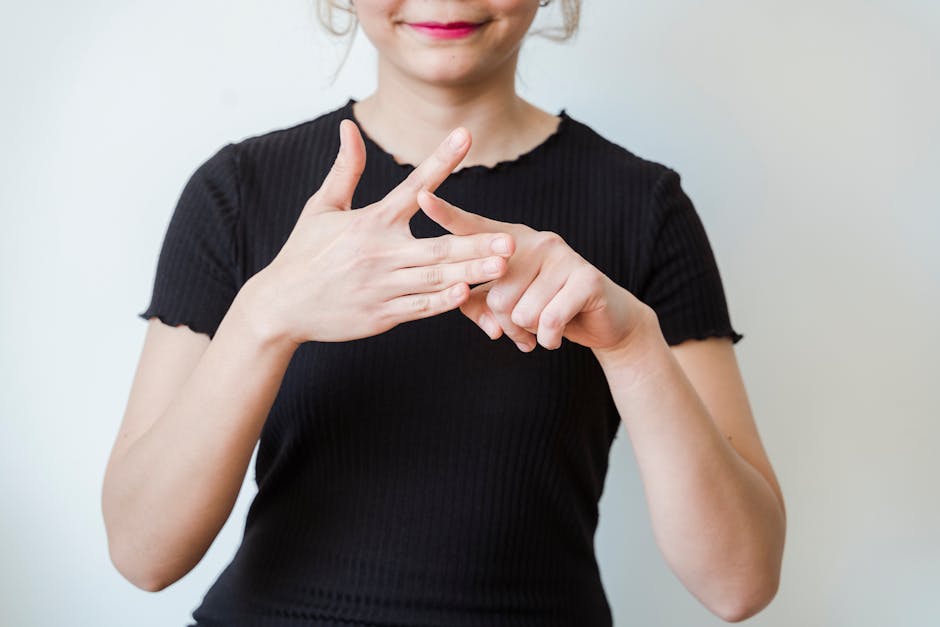
The sign for “disability, disabled, tangata whaikaha, hauātanga, tangata hauā” encompasses a range of meanings related to disability and identity within the Deaf community in New Zealand. It’s commonly used to refer to people with disabilities and is an important part of everyday conversation about inclusivity and accessibility. This sign reflects both the challenges faced and the unique identities within the community.
Table of Contents
How to Sign “Disability, Disabledwhaikaha, Tangata Whaikaha, HauāTanga, Tangata HauāAdjective; Noun” in NZSL
- Start with your dominant hand in a flat shape (like a “B” handshape) and place it on your chin.
- Move your hand away from your chin while curving it slightly downwards.
- As you make this movement, maintain a neutral or thoughtful facial expression to convey the seriousness of the topic.
- Optionally, you can raise your non-dominant hand in front of your chest, palm facing towards you, to indicate personal or cultural identity, adding depth to the sign.
Common Mistakes
- Forgetting to use appropriate facial expressions, which are vital for conveying the meaning of the sign.
- Using an incorrect handshape, such as a fist instead of a flat hand.
- Rushing through the sign without a clear movement or intention, making it less impactful.
NZSL vs ASL
In NZSL, the sign for “disability” reflects New Zealand’s unique cultural context and incorporates elements from te reo Māori. In contrast, ASL (American Sign Language) has a different sign that may use a different handshape and movement. Understanding these distinctions is essential for effective communication within each community.
Related Signs
- (All Of) You – A sign used to address a group of people.
- (Baby’s) Dummy – Refers to a pacifier, often used in conversations about child-rearing.
- (Be) Careful – A sign for caution, relevant in discussions about safety and support.
Frequently Asked Questions
How can I use this sign in a sentence?
You can say, “I am a tangata whaikaha” by signing “I” followed by the sign for “disability.” This expresses your identity proudly.
Are there regional variations for this sign?
While the sign is generally consistent across New Zealand, some regions may have slight variations in hand movement or facial expressions based on local dialects.
What are some similar signs to know?
Signs like “tangata whaikaha” and “hauātanga” are closely related and are often used interchangeably in context.
Can I learn this sign online?
Yes, there are many resources, including videos and tutorials, that can help you practice and master this sign.
What tips do you have for learning NZSL?
Practice regularly, engage with the Deaf community, and watch videos to improve your skills and fluency.
Is this sign used in formal contexts?
Yes, it can be used in formal discussions about disability rights and advocacy, reflecting respect and awareness.
Practice This Sign
Try signing Disability, Disabledwhaikaha, Tangata Whaikaha, HauāTanga, Tangata HauāAdjective; Noun with your camera and get AI coaching on your handshape, movement, and location.
Free · No signup required