
Disability, Disabled in New Zealand Sign Language (NZSL)

The sign for “disability” or “disabled” in NZSL is an important term within the Deaf community, reflecting the diverse experiences of individuals with disabilities. This sign is commonly used in conversations about accessibility, inclusion, and rights for disabled people in New Zealand. It carries significant cultural weight, highlighting the importance of awareness and understanding within society.
Table of Contents
How to Sign “Disability, Disabled” in NZSL
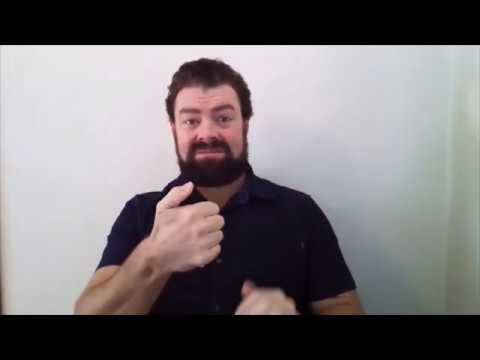
- Start with your dominant hand in a flat ‘B‘ handshape (fingers extended together and palm facing down).
- Position your hand near your chest, approximately at heart level.
- Move your hand outward slightly, maintaining the ‘B‘ handshape. This motion should be gentle and deliberate.
- As you sign, incorporate a facial expression that conveys understanding and respect for the topic.
Common Mistakes
- Using a closed fist instead of a flat handshape; this may change the meaning.
- Overexaggerating the movement, which can make the sign unclear.
- Neglecting facial expressions, which are crucial to conveying meaning in NZSL.
NZSL vs ASL
In NZSL, the sign for “disability” incorporates a flat handshape moving outward, while in ASL, it typically involves a different handshape and movement pattern. This difference illustrates the unique characteristics of each sign language, influenced by their cultural contexts and histories.
Related Signs
- (Be) Careful – Sign for caution or being cautious.
- (Be) Passive – Sign for a state of passiveness or non-action.
- (All Of) You – Inclusive sign referring to a group.
- (Baby’S) Dummy – Sign referring to a baby’s pacifier.
- (Be) Born, (Give) Birth – Sign for birth and related concepts.
Frequently Asked Questions
How can I use this sign in a sentence?
You can use this sign to talk about disability by saying, “I support disabled rights” as: (sign ‘I’) + (sign ‘support’) + (sign ‘disability’).
Are there regional variations of this sign across New Zealand?
While the sign is generally consistent, some regions might have slight variations in movement or facial expression based on local Deaf community preferences.
What are some similar signs I should know?
Related signs include “accessibility,” “ability,” and “inclusion.” Each of these signs promotes awareness of disability topics.
Do I need to learn facial expressions for this sign?
Yes, facial expressions play a vital role in NZSL, adding context and emotion to your signs, which is especially important when discussing sensitive topics like disability.
What tips do you have for learning this sign?
Practice in front of a mirror and pay attention to your handshape and movement. Watching native signers can also help you understand the nuances.
Is this sign respectful within the Deaf community?
Yes, using the correct sign with appropriate context and respect is crucial, as it acknowledges the experiences and identities of disabled individuals.
Practice This Sign
Try signing Disability, Disabled with your camera and get AI coaching on your handshape, movement, and location.
Free · No signup required