
Copy (noun) in New Zealand Sign Language (NZSL)
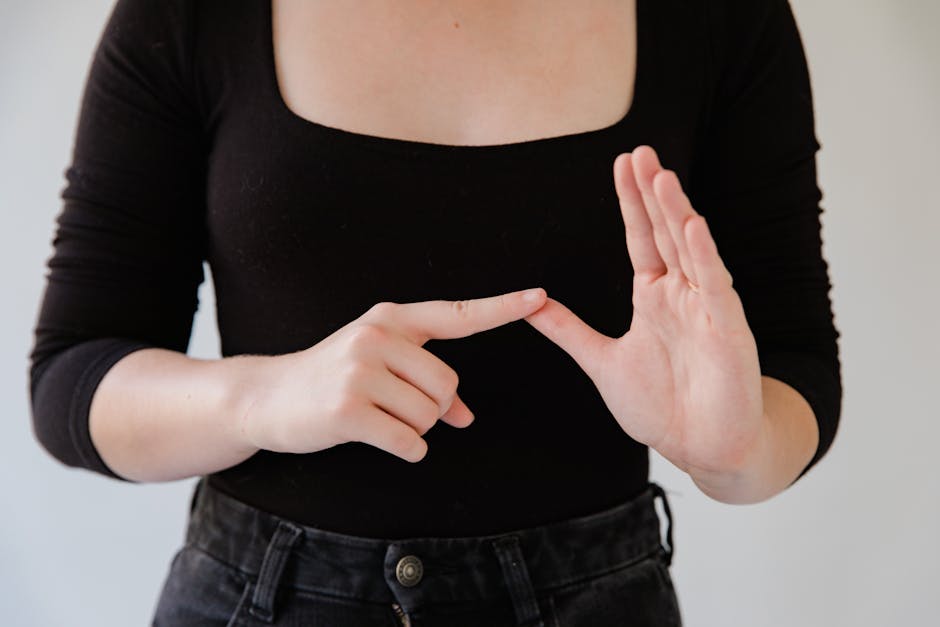
The sign for “copy,” “duplicate,” or “photocopier” is an important part of everyday communication in the NZ Deaf community. It is commonly used in educational settings, workplaces, or when discussing documents that need to be reproduced. This sign embodies a practical concept that many individuals encounter regularly.
Table of Contents
How to Sign “Copyduplicate, Photocopier, Photocopy, XeroxtāRua, Kapenoun; Verb” in NZSL
- Begin with your dominant hand in a flat “B” handshape (palm facing down).
- Position your hand in front of your chest, about shoulder height.
- Move your hand forward slightly, then bring it back towards your body, mimicking the action of a photocopier printing a document.
- Maintain an expression that indicates the action of copying; your facial expression can convey focus or intent.
Common Mistakes
One common mistake is using the wrong handshape; ensure you are using a flat “B” handshape rather than a fist. Another error is not moving your hand in a forward-and-back motion, which is essential for conveying the meaning of copying. Lastly, learners might forget to incorporate facial expressions, which are crucial in NZSL for conveying nuance.
NZSL vs ASL
In NZSL, the sign for “copy” involves a flat handshape and a forward-and-back motion. In contrast, ASL uses a different handshape and movement, often involving both hands to illustrate the idea of duplication. This highlights the unique characteristics of NZSL, which has evolved with influences from British Sign Language (BSL) and local cultural practices.
Related Signs
- (All Of) You – A sign used to refer to a group of people.
- (Baby’s) Dummy – Refers to a pacifier typically used for infants.
- (Be) Careful – A sign indicating caution or a warning.
Frequently Asked Questions
How can I use this sign in a sentence?
You might say, “Can you copy this document?” by signing “You copy this document?” in NZSL.
Are there regional variations for this sign in New Zealand?
While the sign is generally consistent across New Zealand, some regions may have slight variations in movement or handshape.
What are some similar signs I should learn?
Other related signs include “duplicate,” “print,” and “scan,” which also involve concepts of reproduction and documentation.
What tips do you have for learning this sign?
Practice in front of a mirror to check your handshape and movement, and engage with native NZSL users for feedback.
Practice This Sign
Try signing Copyduplicate, Photocopier, Photocopy, XeroxtāRua, Kapenoun; Verb with your camera and get AI coaching on your handshape, movement, and location.
Free · No signup required