
Panda Bear in Australian Sign Language (Auslan)

The sign for “panda bear” in Auslan refers to the adorable black-and-white bear native to China. This sign can be used in conversations about wildlife, zoos, or when sharing fun facts about animals. It’s a delightful way to engage with friends and family about these beloved creatures.
Table of Contents
How to Sign “Panda Bear”
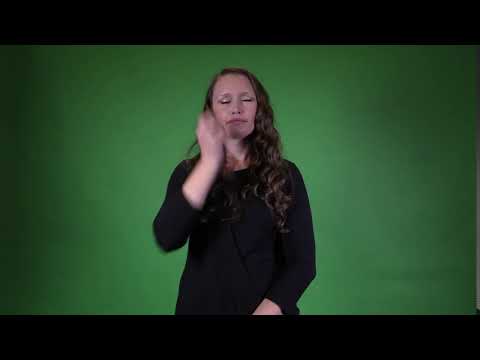
- Start with both hands in a flat “B” handshape (palms facing down).
- Position your hands in front of your chest, slightly apart, resembling the shape of a panda’s body.
- Move your hands outward gently, maintaining the flat shape, to create the illusion of a panda stretching out its body.
- As you perform the movement, add a playful facial expression, perhaps a smile, to convey the joyful nature of pandas.
Common Mistakes
- Forgetting to use the appropriate facial expressions, which are essential for conveying emotion in Auslan.
- Not maintaining the flat “B” handshape, which can lead to confusion with other signs.
- Using excessive movement; the sign should be gentle and controlled, reflecting the calm nature of pandas.
Related Signs
- 1 – The sign for the number one, often used in counting.
- 1 Dollar – A sign to indicate a single dollar, useful in shopping contexts.
- 10 – The sign for the number ten, commonly used in various situations.
- 11 – The sign for eleven, frequently used in counting and math.
- 12 – The sign for twelve, another important number in communication.
Using “Panda Bear” in Everyday Conversations
Incorporating “Panda Bear” into daily conversations can enhance your interactions, especially when discussing animals, conservation, or simply sharing interests. Here are a few example sentences to illustrate its use:
- “I love
Panda Bear ! They are so cute.” - “Have you seen the
Panda Bear at the zoo?” - “My favourite animal is the
Panda Bear because they are gentle.”
You might use these sentences when chatting with friends or family, especially if you’re discussing a trip to the zoo, sharing a love for wildlife, or even when talking about plans to support conservation efforts.
Cultural Notes
The sign for “Panda Bear” holds a special place in the Australian Deaf community, where shared experiences and cultural references often include animals. Pandas, known for their unique characteristics and endearing behaviour, resonate with many. This sign is not just about the animal; it also reflects a sense of playfulness and affection that is celebrated in Deaf culture.
In some regions, particularly in southern Australia, there may be slight variations in how the sign is performed, incorporating different handshapes or movements based on local dialects. Understanding these variations can enrich your learning experience and help you connect with Deaf peers across the country.
Tips for Learning This Sign
To effectively learn and remember the sign for “Panda Bear,” consider these practical tips:
- Mirror Practice: Stand in front of a mirror while signing. This helps you ensure your handshape and movements are accurate, giving you immediate visual feedback.
- Watch for Non-Manual Features: Pay attention to facial expressions and body language when signing. These non-manual features can add meaning and emotion, making your sign more expressive.
- Use it in Context: Incorporate “Panda Bear” into short signed sentences. Practicing in context helps solidify your understanding and makes it easier to recall when having conversations.
By engaging with these methods, you’ll not only master the sign but also deepen your connection to the vibrant culture of the Australian Deaf community.
Frequently Asked Questions
How can I use “panda bear” in a sentence?
You can say, “I love visiting the zoo to see the panda bear,” using the sign for “panda bear” when you mention it.
Are there any regional variations for this sign?
The sign is fairly consistent across different Auslan communities, but it’s always good to ask local users for any nuances.
Is there a sign similar to “panda bear”?
Yes, the sign for “bear” is somewhat similar but usually involves a different handshape and movement.
How does this compare to BSL?
In British Sign Language (BSL), the sign for “panda” may look different, often incorporating more movement or different handshapes.
What are some teaching tips for this sign?
Encourage learners to focus on the facial expressions and gentle movements that make the sign come alive, reflecting the playful nature of pandas.
Practice This Sign
Try signing Panda Bear In Auslan with your camera and get AI coaching on your handshape, movement, and location.
Free · No signup required