
Achepain, Sore, Throbmamaeverb in New Zealand Sign Language (NZSL)
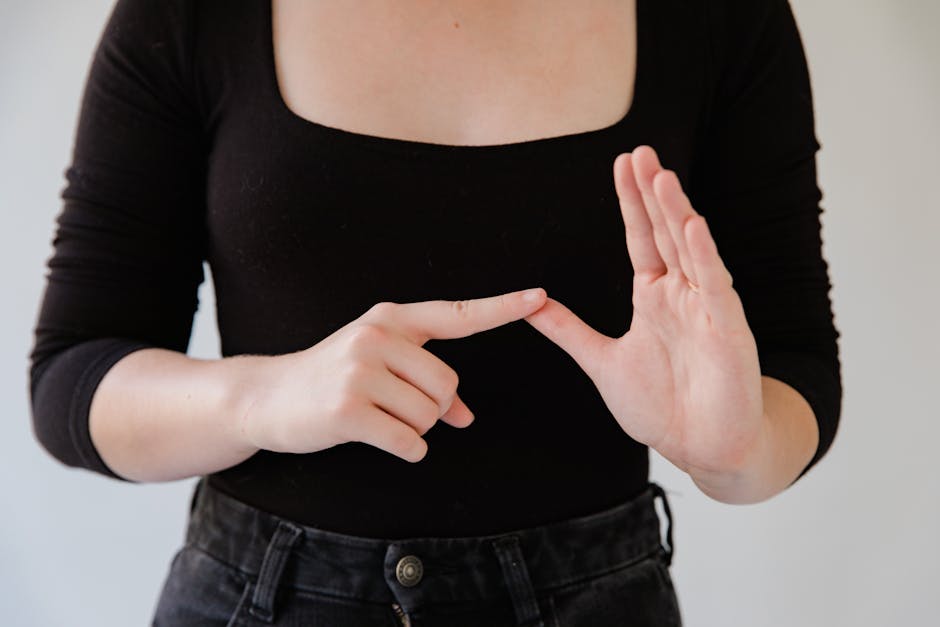
The sign for “achepain, sore, throbmamaeverb” in NZSL is used to express physical discomfort or pain. This sign is commonly used in various contexts, such as communicating about headaches, muscle soreness, or general aches. It is a vital part of everyday conversations in the New Zealand Deaf community, allowing individuals to share their experiences of pain effectively.
Table of Contents
How to Sign “Achepain, Sore, Throbmamaeverb” in NZSL
- Start with your dominant hand in a loose fist shape.
- Position your hand near your chest or the area where you feel the pain.
- Gently move your hand in a circular motion, applying a slight pressure as if you’re massaging the area.
- Facial expressions are important; show a look of discomfort to convey the feeling of pain.
- As you continue the circular motion, you can tilt your head slightly forward to emphasize the feeling of ache or throb.
Common Mistakes
- Using a stiff hand instead of a loose fist; make sure your hand is relaxed for the correct expression.
- Not using facial expressions; remember that facial cues play a significant role in conveying meaning in NZSL.
- Using the wrong placement of the hand; ensure you sign near the area of pain to clarify what you’re referring to.
NZSL vs ASL
In NZSL, the sign for “achepain, sore, throbmamaeverb” uses a circular motion near the area of discomfort, while in ASL, the sign may incorporate different hand shapes and movements. This illustrates the unique characteristics of each sign language, reflecting their cultural contexts and influences.
Related Signs
- (Be) Careful: A sign to indicate caution or warning.
- (Be) Passive: Expressing a state of being inactive or not taking action.
- (Baby’s) Dummy: Referring to a pacifier used for infants.
Frequently Asked Questions
How can I use this sign in a sentence?
You can use it in a sentence like, “I have a headache,” by signing “achepain” while pointing to your head.
Are there regional variations in how this sign is used?
While the basic sign remains the same, some regional variations may exist in the intensity or movement used, reflecting local preferences.
What are some similar signs?
Similar signs include “hurt” and “pain,” which may involve slight variations in hand shape and movement.
What tips do you have for learning this sign?
Practice in front of a mirror to ensure your hand shape and facial expressions are correct, and try to incorporate it into daily conversations.
Can I combine this sign with others?
Yes! Combining it with signs for specific body parts (like “head” or “back”) can provide clarity about where the pain is located.
Is this sign used in formal settings?
This sign can be used in both informal and formal settings, such as medical appointments, making it versatile.
Practice This Sign
Try signing Achepain, Sore, Throbmamaeverb with your camera and get AI coaching on your handshape, movement, and location.
Free · No signup required