
Make Sure in New Zealand Sign Language (NZSL)
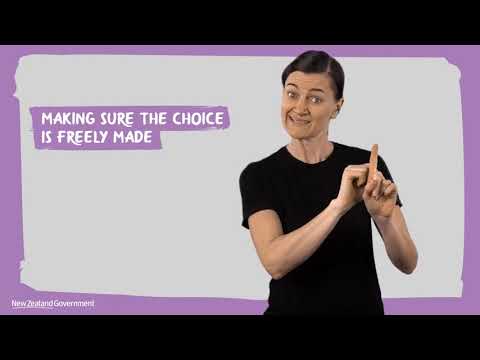
The sign for “make sure” in NZSL conveys the importance of ensuring that something is done correctly or is confirmed. It’s commonly used in everyday conversations, especially when discussing plans or tasks that require attention to detail. This sign is integral to effective communication within the New Zealand Deaf community, where clarity and certainty are valued.
Table of Contents
How to Sign “Make Sure” in NZSL
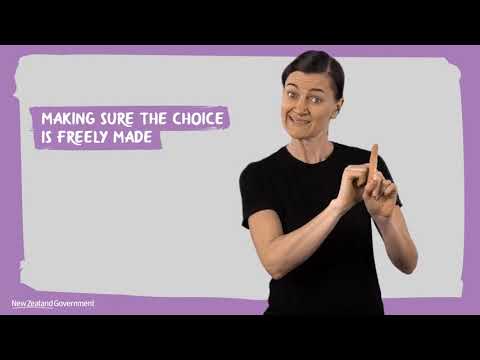
- Start with your dominant hand in a flat ‘B’ handshape (fingers extended and together, thumb extended out to the side).
- Position your hand in front of your chest, palm facing towards you.
- Move your hand slightly forward and downwards while maintaining the handshape, as if you are emphasizing the action of checking.
- While moving your hand, use a firm facial expression to convey the importance of making sure.
Common Mistakes
- Forgetting to use facial expressions, which are crucial for conveying the seriousness of the sign.
- Using the wrong handshape; ensure the ‘B’ handshape is maintained throughout the sign.
- Not moving the hand forward enough, which can lead to confusion about the meaning.
NZSL vs ASL
In NZSL, the sign for “make sure” involves a specific handshape and movement that emphasizes assurance. In contrast, ASL uses a different sign that may not include the same hand position or motion. Understanding these differences is vital for effective communication across different sign languages.
Related Signs
- (Be) Careful – A sign used to warn someone to be cautious.
- (All Of) You – A sign to refer to a group of people.
- (Baby’S) Dummy – Used when talking about baby pacifiers.
- (Be) Born, (Give) Birth – Related to the process of childbirth.
- (Be) Passive – Sign to indicate a passive state.
Frequently Asked Questions
How can I use “make sure” in a sentence?
You can say, “Make sure to bring your book,” by signing “make sure” followed by the sign for “bring” and “book.”
Are there regional variations of this sign in New Zealand?
While the sign for “make sure” is generally consistent, some regional variations may occur in hand movements or facial expressions.
What similar signs should I know?
Signs like “be careful” and “check” are related and can be useful in similar contexts.
What’s a good tip for learning this sign?
Practice in front of a mirror to ensure your handshape and facial expressions are clear and accurate.
Is there a specific context where this sign is more common?
This sign is especially common in discussions about tasks, responsibilities, or ensuring that something is done properly.
Can I use this sign in formal settings?
Yes, “make sure” is appropriate for both informal and formal contexts, as it conveys the importance of attention to detail.
Practice This Sign
Try signing Make Sure with your camera and get AI coaching on your handshape, movement, and location.
Free · No signup required