
Free BSL Resources in British Sign Language (BSL)
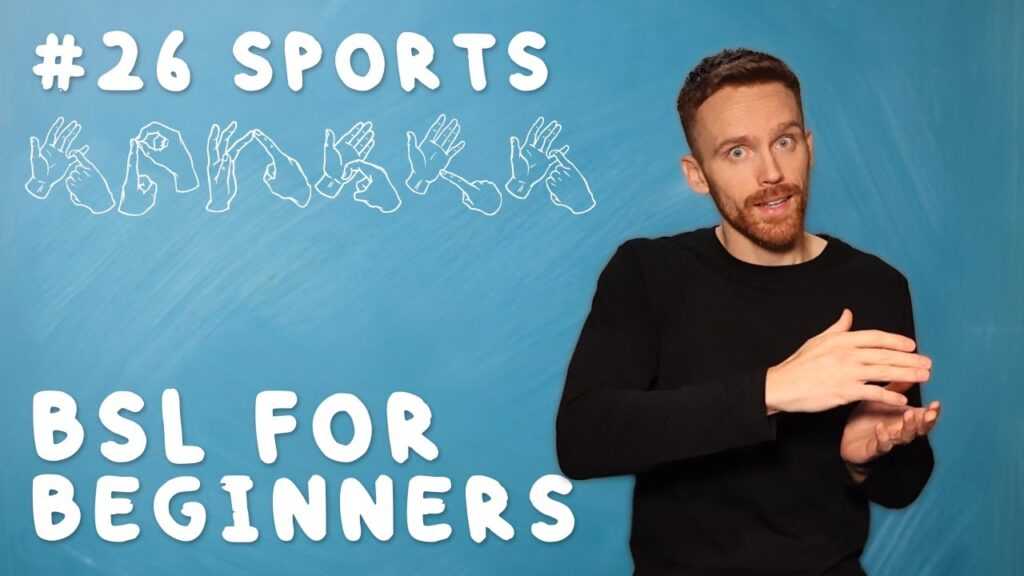
The sign for “free BSL resources” is commonly used within the UK Deaf community to refer to materials and tools that are available at no cost for learning British Sign Language. This sign is especially relevant for those looking to enhance their BSL skills or for educators seeking accessible teaching resources. It can be used in various contexts, such as discussing community events or sharing online platforms that provide free learning materials.
How to Sign “Free Bsl Resources” in BSL
- Start with your dominant hand in a flat “B” shape (palm facing forward) at waist level.
- Move your hand slightly forward and then up, while simultaneously opening your fingers to indicate “free.” This movement is gentle and fluid.
- Next, transition to signing “BSL” by forming the letter “B” with your dominant hand and placing it near your chin, then moving it slightly away from your face.
- For “resources,” use both hands in a flat “B” shape, palms facing upwards, and move them apart slightly in front of you to indicate availability.
- Maintain an engaging facial expression throughout the sign, using raised eyebrows for emphasis when you sign “free.”
Common Mistakes
- Forgetting to use facial expressions, which are crucial in BSL for conveying meaning.
- Not transitioning smoothly between the signs for “free” and “BSL,” making the sign appear disjointed.
- Using the wrong handshape for “BSL,” as it needs to be a specific “B” handshape.
BSL vs ASL
The sign for “free BSL resources” differs from American Sign Language (ASL) in both handshapes and movements. In BSL, the emphasis is on the facial expressions and the use of both hands for “resources,” while ASL may use a single hand for “free” and “resources.” This highlights the distinct grammar and structure of each sign language.
Related Signs
- 1 – The sign for the number one.
- 10 – The sign for the number ten.
- 100 – The sign for the number one hundred.
- 11 – The sign for the number eleven.
- 12 – The sign for the number twelve.
Frequently Asked Questions
Can I use this sign in a full sentence?
Yes! You can structure it as: “I want free BSL resources,” where “I want” is the topic, and “free BSL resources” is the comment.
Are there regional variations for this sign in the UK?
While the core sign remains consistent, some regional dialects may have slight variations in movement or speed. It’s good to observe local signers.
What similar signs should I learn?
Consider learning signs for “learn,” “help,” and “language,” as they often come up in discussions about resources.
Any tips for practicing this sign?
Practice in front of a mirror to check your facial expressions and hand movement. Recording yourself can also be helpful.
How can I find more free BSL resources?
Look for websites, community groups, or social media pages dedicated to BSL education. Many offer free materials.
Is it important to use facial expressions?
Absolutely! Facial expressions convey meaning and emotion in BSL, making your signing more effective and engaging.
Practice ASL Signs
Use your camera to practice signs and get real-time AI feedback on your technique.
Free · No signup required