
How Long to Learn BSL Level 1 – Complete Timeline

How long does it take to learn BSL Level 1? A standard Signature Level 1 BSL course runs for 20 to 30 weeks, with one class per week during term time. This totals approximately 60 guided learning hours, plus your own practice time outside class. Most dedicated learners achieve Level 1 within one academic year.
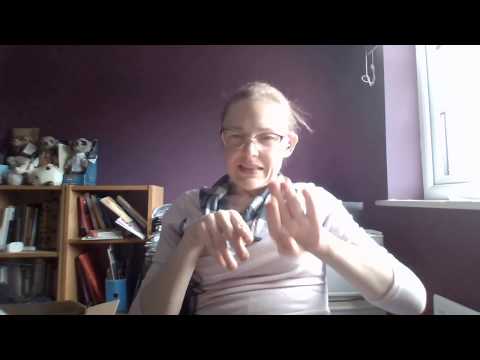
Level 1 Course Structure and Duration
Most Signature Level 1 BSL courses run as evening classes, meeting once a week for two to three hours. Over the course of an academic year (September to June typically), this provides the 60 guided learning hours that Signature recommends for Level 1. Some providers offer daytime or weekend options following similar structures.
Intensive Level 1 courses compress the content into shorter periods. Some providers offer week-long intensive programmes or weekend course formats that cover the same material in concentrated blocks. While these can be effective for motivated learners, the reduced time between sessions means less opportunity for natural practice and absorption.
Online Level 1 courses follow similar timescales to face-to-face classes. Live online courses typically run for 20 to 30 weeks with weekly sessions. Self-paced online courses may allow you to complete the material faster if you have more time available, but most learners still take several months to work through the content.
The exam is usually held toward the end of the course, after you’ve covered all required topics. Some providers offer resit opportunities if you don’t pass first time. The total time from enrolment to receiving your Level 1 certificate is typically 8 to 12 months including exam processing time.
What BSL Level 1 Covers
The BSL manual alphabet is one of the first skills you’ll master. You’ll learn to fingerspell your name, common words, and proper nouns fluently. Receptive fingerspelling — reading someone else’s fingerspelling — develops alongside productive skills through regular practice.
Vocabulary at Level 1 covers essential everyday topics. You’ll learn signs for family members, colours, numbers, days, months, food and drink, hobbies, weather, transport, and basic emotions. By the end of the course, you’ll have an active vocabulary of approximately 300 to 500 signs.
Basic BSL grammar is introduced at Level 1. You’ll learn topic-comment sentence structure, simple question forms using facial expressions (raised eyebrows for yes/no questions, furrowed eyebrows for wh-questions), and basic time markers. Understanding that BSL grammar differs from English is a crucial early milestone.
Deaf awareness and cultural knowledge form part of the Level 1 curriculum. You’ll learn about Deaf culture, the history of BSL, appropriate ways to interact with Deaf people, and the importance of BSL as a real language. This cultural component ensures you develop respectful communication skills alongside language ability.
Practice Makes Perfect
Test your sign language skills with our free practice app.
Study Time Required Outside Class
Signature recommends additional self-study hours alongside guided learning. For Level 1, expect to spend one to two hours per week practising outside class. This includes reviewing signs from the previous session, practising fingerspelling, and watching BSL content online.
Daily practice, even for short periods, produces significantly better results than cramming before class. Ten to fifteen minutes of focused practice each day builds muscle memory and reinforces vocabulary more effectively than an hour-long session once a week. Consistency is the key to retention.
Attending Deaf events and practice groups supplements formal study. Even at Level 1, visiting a Deaf social event or joining a BSL practice group exposes you to real-world BSL and motivates continued learning. Many course providers encourage students to attend at least one Deaf community event during their Level 1 studies.
Watching BSL content online develops receptive skills passively. BSL Zone, YouTube channels, and social media accounts featuring BSL provide daily exposure to the language. Even if you don’t understand everything, regular viewing trains your eye to process visual language, which accelerates your classroom learning.
The Level 1 Assessment
The Signature Level 1 assessment is a practical exam conducted in BSL. You don’t write an essay or take a written test — you demonstrate your signing ability in a face-to-face or video-recorded conversation. The assessment tests both your expressive skills (producing BSL) and your receptive skills (understanding BSL).
The exam typically involves two components. A prepared conversation on a familiar topic allows you to demonstrate vocabulary and grammar you’ve practised in advance. An unprepared element tests your ability to respond spontaneously to questions from the assessor, showing that you can communicate beyond rehearsed material.
Assessors are looking for clear signing, appropriate facial expressions, basic BSL grammar, and the ability to sustain a conversation on set topics. Perfect signing isn’t expected — Level 1 allows for hesitation and errors as long as you can communicate your meaning and demonstrate understanding.
Pass rates for Level 1 are generally high among students who have attended classes regularly and practised consistently. Your tutor will prepare you specifically for the assessment format and give you practice opportunities throughout the course. Most learners who engage fully with their course pass Level 1 without difficulty.
Tips for Passing Level 1
Attend every class session if possible. Each session builds on the previous one, and missing sessions creates gaps that are hard to fill. If you do miss a class, ask your tutor for the material covered and practise it independently before the next session.
Practise with a signing partner between classes. Pairing up with a classmate for weekly practice sessions gives you interactive experience that solo study cannot provide. Video calls work well if meeting in person isn’t practical. Regular partner practice builds confidence for the assessment conversation.
Focus on facial expressions from the start. Many Level 1 learners concentrate entirely on hand signs and neglect the non-manual elements. BSL grammar relies heavily on facial expressions for questions, negation, and emphasis. Practising in front of a mirror helps you develop natural, expressive signing.
Engage with the Deaf community during your studies. Attending at least one Deaf social event gives you real-world context for your classroom learning and demonstrates the cultural awareness that forms part of Level 1’s assessment criteria. The experience of meeting Deaf people and attempting real communication builds confidence that carries into your exam.
Related Articles
Practice ASL Signs
Use your camera to practice signs and get real-time AI feedback on your technique.
Free · No signup required