
Level 1 BSL Course in British Sign Language (BSL)
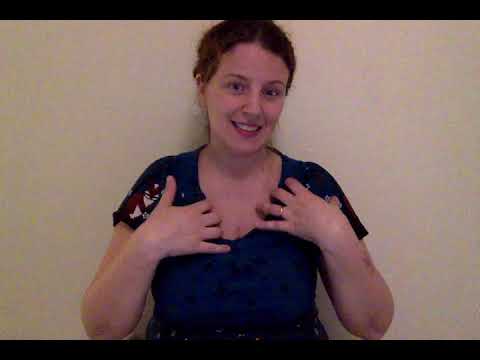
The sign “level 1 BSL course” refers to the introductory course designed for individuals starting their journey in British Sign Language. This sign is commonly used when discussing educational opportunities within the UK Deaf community, particularly in settings focused on learning BSL.
How to Sign “Level 1 Bsl Course” in BSL
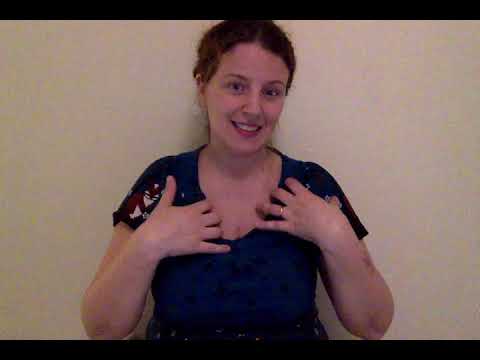
- Start with your dominant hand in a flat ‘1’ handshape (index finger extended, other fingers curled). Position this hand in front of your forehead, palm facing outward.
- Move your hand away from your forehead, slightly upwards and outwards, maintaining the ‘1’ handshape to indicate “level”.
- Next, transition to the sign for “course”. Use both hands to form a ‘C’ shape (curved fingers) and place them together, palms facing each other, then move them apart slightly to show the idea of a course or a series of lessons.
- For facial expressions, keep a neutral expression when signing “level”, then smile when signing “course” to convey a positive and welcoming feeling about learning.
Common Mistakes
- Confusing the handshape for “level” — some learners may mistakenly use a flat hand instead of the ‘1’ handshape.
- Not using facial expressions effectively, which can lead to a lack of clarity in the sign’s meaning.
- Inverting the order of the signs, leading to confusion over what is being referred to (level vs. course).
BSL vs ASL
In BSL, the sign for “level 1 BSL course” incorporates specific handshapes and movements that are distinct from American Sign Language (ASL). For example, ASL may use different signs for “level” and “course,” while BSL combines them in a more compact form, reflecting the topic-comment structure typical in BSL grammar.
Related Signs
- 1 – The sign for the number one, often used in various contexts.
- 10 – The sign representing the number ten, useful for counting.
- 100 – The sign for one hundred, which can be relevant in educational contexts.
- (Bsl) – A sign related to BSL itself, important for discussions about the language.
- 12 – The sign for the number twelve, commonly used in various settings.
Frequently Asked Questions
How can I use “level 1 BSL course” in a sentence?
You can sign, “I want to join a level 1 BSL course,” by first signing “I” with a point to yourself, followed by “want” (hands in front, palms up), then signing “level 1 BSL course.”
Are there regional variations in this sign across the UK?
While the sign is generally consistent, some regions may have slight variations in the speed or emphasis of the movements.
What are some similar signs to “level 1 BSL course”?
Related signs include “level 2 BSL course,” “BSL class,” and “BSL training,” which follow similar signing structures.
What tips do you have for learning this sign?
Practice in front of a mirror to ensure your handshapes and movements are correct, and pay attention to your facial expressions for added clarity.
Is there a specific context for using this sign?
This sign is often used in educational settings, during discussions about learning opportunities, and when encouraging others to take up BSL.
How do you express enthusiasm for learning BSL?
Use an enthusiastic facial expression and a more animated signing style to show excitement when discussing BSL courses.
Practice ASL Signs
Use your camera to practice signs and get real-time AI feedback on your technique.
Free · No signup required