
Ich Liebe Dich Auf Gebärdensprache in Deutscher Gebärdensprache (DGS)
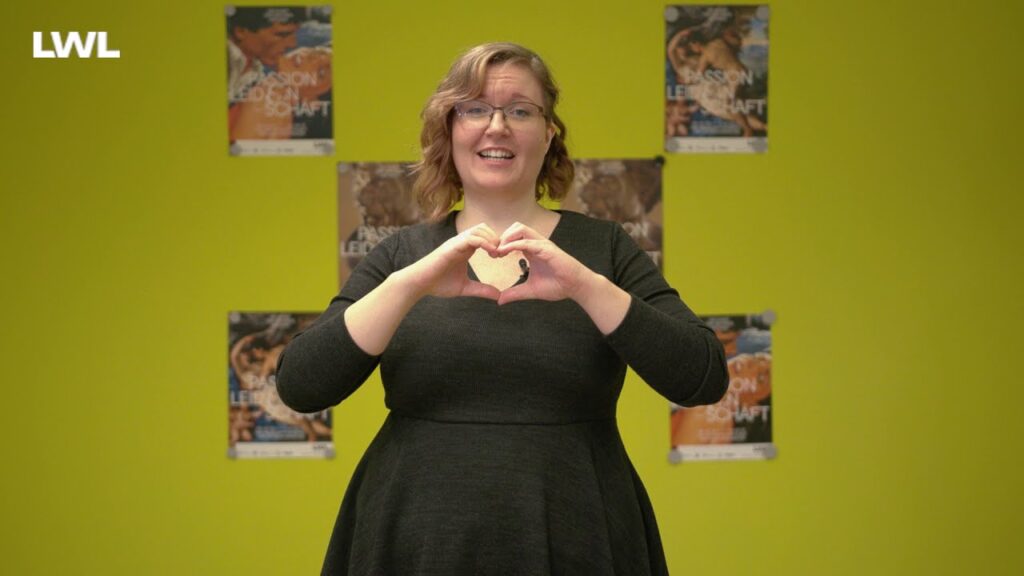
The sign “Ich liebe dich auf Gebärdensprache” translates to “I love you in sign language.” This expression is often used to convey affection and is a warm way to connect with others in the Deaf community. It can be used in various contexts, such as between friends, family members, or romantic partners.
Table of Contents
How to Sign “Ich Liebe Dich Auf GebäRdensprache“
- Start with your dominant hand in the shape of the letter “I” (with your pinky finger extended and the other fingers curled down).
- Position your hand near your forehead.
- Move your hand away from your forehead, while maintaining the “I” shape, to signify the word “I.”
- Next, switch to the letter “L” by extending your thumb and index finger while keeping the other three fingers folded down.
- Point your “L” hand towards the person you are addressing.
- For “you,” extend your hand, palm facing outward, and point towards the person you are signing to.
- Throughout the sign, maintain a warm, friendly facial expression to convey affection and sincerity.
Common Mistakes
- Forgetting to use facial expressions, which are crucial in conveying emotions in ASL.
- Using a flat hand instead of the correct finger shapes for the letters “I” and “L.”
- Not maintaining the proper hand positions, leading to a misunderstanding of the sign.
Related Signs
- 1 – The sign for the number one.
- 10 – The sign for the number ten.
- 100 – The sign for the number one hundred.
- 100 Fragen Und Antworten Rund Um Die Deutsche Gebärdensprache – A resource for learning more about German sign language.
- 1 Gebärdensprache – The sign for one in German sign language.
Frequently Asked Questions
How can I use this sign in a sentence?
You can use the sign by saying “Ich liebe dich auf Gebärdensprache” while performing the sign, which shows your affection in a clear and expressive way.
Are there regional variations of this sign?
While the basic sign remains the same, some regions may have slight variations in hand shapes or movements. It’s always good to learn from local Deaf individuals.
Are there similar signs in other sign languages?
Yes, many sign languages have their own ways of expressing affection. For example, British Sign Language (BSL) has a different sign for “I love you.”
How does this sign compare to BSL?
The structure and signs for “I love you” in BSL are different, emphasizing the distinctiveness of each sign language.
What tips do you have for teaching this sign?
Encourage learners to practice in pairs and use facial expressions to convey emotion, as it enhances the meaning of the sign.
Can this sign be used in formal settings?
While it can be used in casual contexts, it’s typically more suitable for informal settings among friends or loved ones.
Is this sign used universally in the Deaf community?
While widely understood, it’s always best to check with individuals from specific Deaf communities to ensure cultural relevance and appropriateness.
Practice This Sign
Try signing Ich Liebe Dich Auf Gebärdensprache with your camera and get AI coaching on your handshape, movement, and location.
Free · No signup required