
I Love You in Sign Language (ASL)
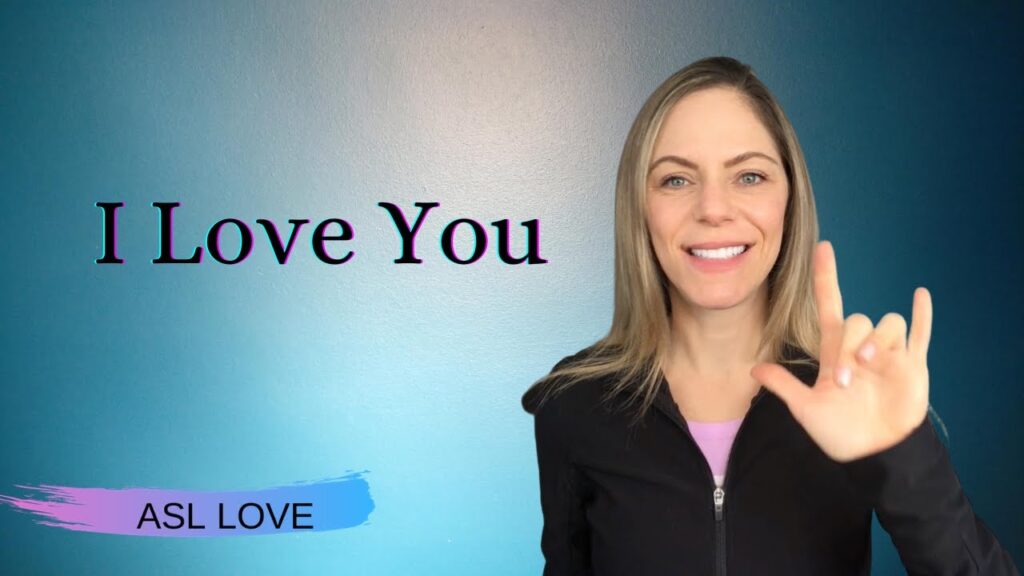
I Love You is a heartfelt expression commonly used to convey deep affection and emotional connection towards someone. This sign is often used in both casual and intimate contexts, making it a fundamental part of expressing love in the Deaf community. It’s a beautiful way to communicate feelings non-verbally, emphasizing the warmth and sincerity behind the gesture.
[VIDEO_PLACEHOLDER]
Table of Contents
Signing the phrase
- Handshape: Start with your dominant hand in the shape of the letter “I,” with your pinky finger extended and the other fingers folded down.
- Location: Position your hand to the side of your forehead, which is a common starting point for expressing personal feelings.
- Movement: Move your hand away from your forehead, slightly outward and forward, while maintaining the same handshape throughout the motion.
- Non-manual signals: Pair the sign with a soft smile and warm eye contact to enhance the emotional impact of the gesture.
The sign I Love You combines three letters into one gesture, representing “I,” “L,” and “Y.” This unique feature makes it a powerful symbol of love and affection, and it’s widely recognized within the Deaf community. The handshape is simple yet expressive, allowing for variations in emphasis depending on the context and the relationship between individuals.
When and how it’s used
I Love You can be used in various contexts, from casual greetings among friends to intimate expressions between partners or family members. It’s often used to close a conversation, especially when parting ways, or to express appreciation and warmth during interactions. The beauty of this sign lies in its versatility; it can be used in both casual and serious situations, adapting to the emotional tone of the moment.
Conversational variations
While the standard sign for I Love You is universally understood, there are several variations that might be employed based on the context:
– You can use a softer movement for a more tender expression.
– Alternatively, a more pronounced movement can signify stronger emotions.
– Pairing this sign with other affectionate signs, such as Hug or Kiss, enhances the expression of love.
These variations demonstrate the flexibility of ASL in conveying emotions, allowing signers to customize their message based on the situation and relationship.
Common confusion with a similar sign
Many learners may confuse the I Love You sign with the sign for Ill, as the handshape is similar. However, the context and movement distinguish them. Remember that I Love You is signed moving away from the forehead, while Ill is often signed near the chest. It’s crucial to be aware of these subtleties to ensure your message is conveyed accurately in conversations.
FAQ
Can I use I Love You with anyone?
Yes, you can use this sign with friends, family, or romantic partners. It’s a versatile expression of affection.
How do I emphasize my feelings when signing I Love You?
To emphasize your feelings, use a more pronounced movement and combine it with a warm smile and eye contact.
Are there regional differences in the sign?
While I Love You is generally understood across different regions, slight variations may exist based on local dialects and individual preferences.
Is it appropriate to sign I Love You in public?
Yes, it is entirely appropriate. Many Deaf individuals openly use this sign in public to express affection, similar to how hearing individuals might verbally convey their feelings.
Practice ASL Signs
Use your camera to practice signs and get real-time AI feedback on your technique.
Free · No signup required