
See in British Sign Language (BSL)
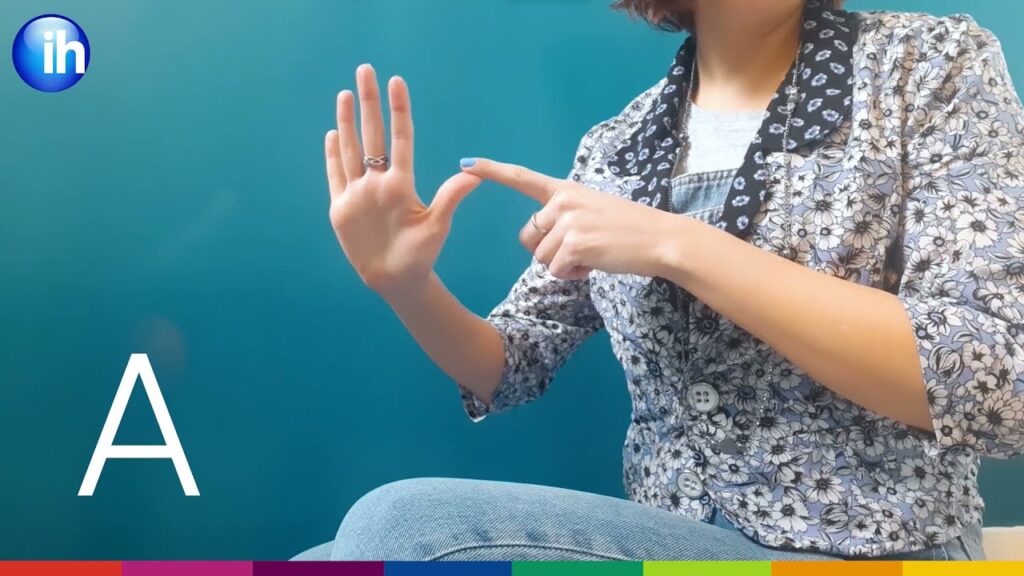
The sign “see” in British Sign Language (BSL) is used to express the action of seeing or perceiving something visually. It is commonly used in everyday conversations when discussing experiences or when someone has noticed something. This sign is essential for effective communication within the UK Deaf community.
How to Sign “See” in BSL
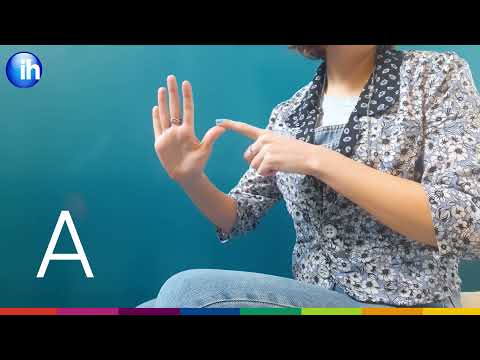
- Start with your dominant hand in a flat ‘B’ handshape (palm facing forward).
- Position your hand near your eye, about a few inches away.
- Move your hand outward and slightly away from your face, keeping the same handshape.
- At the same time, maintain an attentive facial expression, as if you are observing something closely.
- Optionally, you can use your non-dominant hand to point towards the object or direction you are seeing.
Common Mistakes
- Forgetting to maintain a clear facial expression that matches the context of what is being seen.
- Using the wrong handshape; some may mistakenly use a clenched fist instead of the flat handshape.
- Not using the appropriate space; failing to move the hand away from the face can lead to miscommunication.
BSL vs ASL
In American Sign Language (ASL), the sign for “see” is performed differently, often using a ‘V’ handshape that moves in a specific direction. In BSL, the focus is on the flat ‘B’ handshape and the movement away from the face, reflecting the unique grammar and structure of BSL.
Related Signs
- (Bsl – A general sign referencing BSL.
- (Bsl) – Another version of the sign for BSL.
- 1 – The sign for the number one.
- 10 – The sign for the number ten.
- 100 – The sign for the number one hundred.
Frequently Asked Questions
How do I use “see” in BSL sentences?
You can use “see” in sentences like “I see you” by signing “I” (point to yourself), then “see” (the sign), followed by “you” (point to the person you are addressing).
Are there regional variations for this sign?
While the sign for “see” is generally consistent across the UK, some regional variations may exist in facial expressions or the speed of movement.
What are some similar signs to “see”?
Related signs include “look” and “watch,” which have similar handshapes but differ in movement and context.
What tips can help me learn this sign better?
Practice in front of a mirror to ensure your handshape and facial expressions are correct. Observing fluent signers can also provide valuable insights.
Can I use “see” in a question?
Yes! You can ask questions like “Did you see that?” by modifying your facial expression to convey curiosity.
How does context affect the sign “see”?
The context can change the meaning; for example, “see” can imply understanding in some situations, so be mindful of your facial expressions.
Practice ASL Signs
Use your camera to practice signs and get real-time AI feedback on your technique.
Free · No signup required