
British Sign Language Courses Online – Learn BSL Online

British Sign Language courses online have transformed how people across the UK and beyond learn to sign. Whether you live in a rural area without local provision or simply prefer the flexibility of home study, online BSL courses now offer the same accredited qualifications as traditional classroom learning. The key is choosing a course that balances convenience with genuine interactive practice.
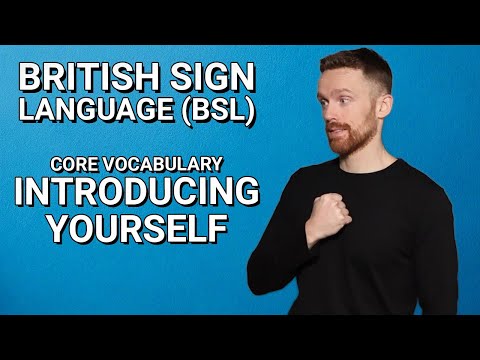
Types of Online BSL Courses
Live online courses deliver scheduled sessions via video conferencing platforms like Zoom or Microsoft Teams. A Deaf tutor leads the class in real time, demonstrating signs, correcting learners’ technique, and facilitating practice in breakout rooms. This format most closely replicates the face-to-face classroom experience.
Self-paced courses provide pre-recorded video lessons, interactive exercises, and quizzes that you complete at your own speed. This format offers maximum flexibility but requires strong self-discipline. Without live feedback, you’ll need to find other ways to check your signing accuracy and develop your receptive skills.
Blended online courses combine pre-recorded content with regular live sessions. You might study vocabulary and grammar through self-paced modules during the week, then attend a live session at the weekend to practise conversation and receive tutor feedback. This model balances flexibility with interactive learning.
Short online workshops and taster sessions introduce BSL basics in one to three hours. These are ideal for exploring whether you enjoy signing before committing to a full course. Many providers offer free or low-cost taster sessions that cover the manual alphabet, basic greetings like hello, and a handful of everyday signs.
Accredited Online BSL Providers
Several Signature-approved centres now deliver their full qualification programmes online. These courses lead to exactly the same nationally recognised qualifications as face-to-face classes, with assessments conducted via video link. When choosing an online provider, verify their Signature or iBSL approval status directly on the awarding body’s website.
Established providers have adapted their teaching methods specifically for online delivery. They use multiple camera angles, screen sharing for visual resources, and carefully designed activities that work in a virtual environment. The best providers have been teaching online for several years and have refined their approach based on learner feedback.
Some universities and colleges offer their BSL programmes online, particularly at Level 1 and Level 2. These institutions bring established quality assurance processes and experienced Deaf tutoring teams to the online space. Check whether your preferred local college has added online BSL options to their prospectus.
Be cautious of unaccredited online courses that promise quick results or cheap qualifications. Legitimate Signature and iBSL courses require significant study hours and rigorous assessment. If a course seems too quick, too cheap, or doesn’t mention a recognised awarding body, investigate further before enrolling.
Practice Makes Perfect
Test your sign language skills with our free practice app.
Making the Most of Online BSL Learning
Set up your learning space properly before your first session. You need a well-lit area where your tutor and classmates can see your hands, face, and upper body clearly. Position your camera at eye level and ensure the light source is in front of you, not behind. A plain background helps others see your signs clearly.
Use a laptop or desktop computer rather than a phone or tablet. The larger screen makes it easier to see your tutor’s signs in detail, especially facial expressions and mouth patterns that carry grammatical meaning in BSL. A stable internet connection prevents frustrating freezes during important demonstrations.
Engage actively during live sessions. Turn your camera on, ask questions, and volunteer to demonstrate. Online learning can feel passive if you let it, but BSL requires active participation. The more you sign during class, the faster your skills develop. Don’t worry about making mistakes — your tutor expects them and uses them as teaching moments.
Practise between sessions more than you would with a face-to-face course. The reduced immersion of online learning means you need to compensate with additional self-study. Record yourself signing and compare with your tutor’s demonstrations. Review signs from previous sessions before each new class to maintain continuity.
Challenges of Learning BSL Online
The biggest challenge of online BSL learning is the reduced visual information. Camera angles, screen resolution, and internet speed can all affect how clearly you see and produce signs. Subtle movements and facial expressions that are obvious in person may be harder to distinguish on screen.
Spatial referencing, a fundamental aspect of BSL grammar, is trickier to practise online. In BSL, you establish locations in the signing space to refer to people, places, and concepts. The two-dimensional nature of video calls can make this harder to learn and demonstrate accurately.
Motivation and accountability require more effort in online learning. Without the social element of physically attending a class, some learners find it easier to skip sessions or disengage. Setting a regular study schedule, connecting with classmates outside class, and setting clear goals helps maintain your commitment.
Assessment methods for online courses have adapted but may feel less natural than in-person exams. Video-based assessments require you to sign to camera, which can feel different from signing with a person in the room. Practise signing to your camera regularly so it feels comfortable by exam time.
Supplementing Online Study with Practice
Virtual BSL practice groups connect online learners with signing partners across the UK. Regular video call sessions with other learners or Deaf volunteers provide the interactive practice that self-study alone cannot offer. Many online course providers facilitate these groups as part of their programme.
If possible, attend local Deaf events and social gatherings to practise face-to-face. Even online learners benefit enormously from occasional in-person interaction with the Deaf community. The experience of signing in three-dimensional space, reading body language at full scale, and managing real-time conversation is irreplaceable.
Watch BSL content daily. BSL Zone, BBC See Hear, and Deaf YouTube creators produce content that develops your receptive skills. Watching natural BSL at various speeds trains your eye to process signed language quickly, a skill that’s essential for real conversation.
Consider finding an online signing partner for regular one-to-one practice. Pairing up with another learner at a similar level gives you both a committed practice schedule. You can work through course materials together, test each other on vocabulary, and build confidence in a low-pressure friendly environment.
Related Articles
- British Sign Language Courses
- British Sign Language Courses Online Free
- British Sign Language for Beginners
Practice ASL Signs
Use your camera to practice signs and get real-time AI feedback on your technique.
Free · No signup required