
Younger in Australian Sign Language (Auslan)

The sign for “younger” in Auslan is used to refer to someone who is of a lesser age compared to another. This sign is commonly used in conversations about family, friends, or peers when discussing age differences. It helps to clarify relationships and age dynamics in various contexts.
Table of Contents
How to Sign “Younger”
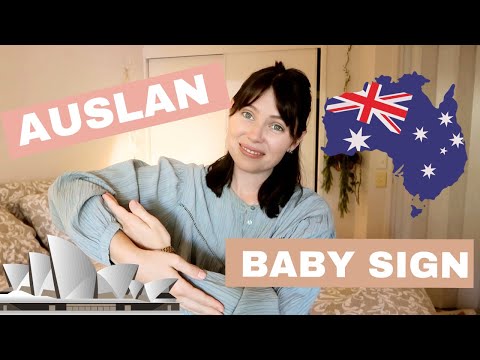
- Start with your dominant hand open, fingers together, and palm facing down.
- Position your hand near your chin, with the fingertips slightly above the chin level.
- Move your hand downwards while keeping your fingers together, making a small downward motion away from your chin.
- Maintain a neutral facial expression or a slight smile to convey the meaning clearly.
Common Mistakes
- Some learners may forget to keep their fingers together, which can alter the meaning of the sign.
- Using too much movement can make the sign unclear; a subtle downward motion is best.
- Not using appropriate facial expressions may lead to misunderstandings, as facial expressions enhance the meaning in Auslan.
Related Signs
- 1 – Represents the number one.
- 10 – Represents the number ten.
- 11 – Represents the number eleven.
- 12 – Represents the number twelve.
- 13 – Represents the number thirteen.
Using “Younger” in Everyday Conversations
The sign “Younger” naturally fits into various conversations, especially when discussing family, friends, or age differences. Here are a few example sentences demonstrating its use:
- My younger sister loves to play soccer. (My younger sister soccer love play.)
- He is younger than me by two years. (He younger me two years.)
- Do you know any younger students in our class? (You know younger students our class?)
These sentences illustrate how the sign can be integrated into everyday dialogue when describing relationships or comparing ages. Using “Younger” in context helps reinforce its meaning and usage.
Cultural Notes
In the Australian Deaf community, age can often play a significant role in social interactions. The sign “Younger” is not just about age; it can also reflect the dynamics within relationships, such as mentorship or friendship. In conversations, referring to someone as “younger” may imply a level of care or responsibility, especially in familial contexts.
While Auslan is generally consistent across Australia, there can be subtle dialect variations. For instance, some users in northern regions may incorporate different non-manual features or facial expressions when using this sign, which can affect its interpretation. Being aware of these nuances can enhance your understanding and fluency in Auslan.
Tips for Learning This Sign
Practicing the sign “Younger” can be enjoyable and effective with a few simple techniques:
- Mirror Practice: Use a mirror to observe your handshape and movements. This helps ensure you are forming the sign correctly and can also improve your confidence.
- Watch for Non-Manual Features: Pay attention to facial expressions and body language that accompany this sign. Non-manual features can add meaning and context.
- Incorporate into Short Signed Sentences: Create simple sentences using “Younger” in different contexts. Practice with a friend or record yourself to track progress.
By engaging with the sign in diverse ways, you’ll reinforce your learning and become more comfortable using it in conversations.
Frequently Asked Questions
How can I use “younger” in a sentence?
You can say, “My brother is younger than me” by signing “MY BROTHER YOUNGER ME”.
Are there regional variations for this sign?
While the sign is generally consistent, some regions may have slight variations in movement or facial expressions.
Is “younger” similar to any other signs?
Yes, the sign for “younger” can be confused with the sign for “small” if not signed clearly, so pay attention to context.
How does this sign compare to BSL?
In British Sign Language (BSL), the sign for “younger” is different, and it’s essential to learn the specific signs for each language.
What are some tips for teaching this sign?
Encourage learners to practice in pairs and to use facial expressions to reinforce meaning while signing.
Practice This Sign
Try signing Younger In Auslan with your camera and get AI coaching on your handshape, movement, and location.
Free · No signup required