
Younker in Australian Sign Language (Auslan)

The sign for “younker” in Auslan is used to refer to a young boy or a child, often in a playful context. It captures the essence of youth and innocence, making it a delightful term to use in conversations about children or childhood experiences.
Table of Contents
How to Sign “Younker”
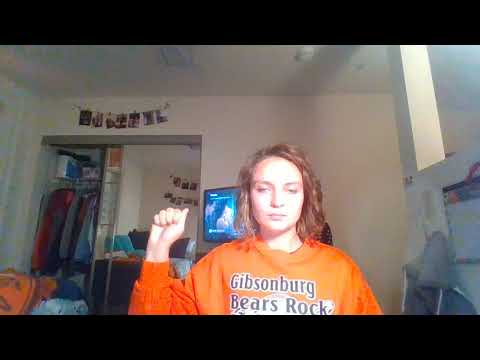
- Start with your dominant hand in a flat handshape (like a “B” hand). Position it in front of your chest.
- Using your dominant hand, move it downward slightly while bending your elbow, creating a gentle downward motion.
- As you perform this movement, maintain a friendly facial expression to convey warmth and playfulness.
Common Mistakes
- Forgetting to use a facial expression, which can make the sign feel less engaging.
- Using the wrong handshape; make sure to keep your hand flat, as a fist can alter the meaning.
- Rushing through the motion; a smooth, gentle movement enhances clarity and expression.
Related Signs
- 1 – The sign for the number one.
- 1 Dollar – The sign for one dollar, often used in financial contexts.
- 10 – The sign for ten, useful in various counting situations.
- 100 – The sign for one hundred, commonly used in discussions about money or quantities.
- 12 – The sign for twelve, helpful in educational settings or when discussing time.
Using “Younker” in Everyday Conversations
The sign “Younker” can easily fit into various conversations, particularly when discussing young people or children. Here are a few example sentences to illustrate its usage:
- “I saw a younker playing at the park.” (sign: I + YOUNKER + PLAY + PARK)
- “The younker in my class is very talented.” (sign: YOUNKER + MY + CLASS + TALENTED)
- “Do you know any younkers who like to dance?” (sign: YOU + KNOW + ANY + YOUNKER + DANCE)
These scenarios often arise in casual conversations among friends, at community events, or in educational settings where discussing children’s activities and talents is common.
Cultural Notes
In the Australian Deaf community, the term “Younker” carries a sense of affection and recognition for the youth. It reflects the strong emphasis on inclusion and support for younger generations within the community. The use of this sign can vary slightly between northern and southern dialects. For example, in some northern regions, the sign may incorporate more expressive facial features to convey warmth, while southern regions might focus on clarity and directness. Understanding these nuances can enhance communication and foster better connections within diverse Deaf communities.
Tips for Learning This Sign
To effectively learn and remember the sign “Younker,” consider these practical tips:
- Mirror Practice: Use a mirror to observe your handshape and facial expressions as you practice the sign. This will help ensure accuracy and build muscle memory.
- Focus on Non-Manual Features: Pay attention to your facial expressions and body language when signing. Non-manual features add context and emotion, making your signing more engaging and natural.
- Use in Short Sentences: Incorporate “Younker” into brief signed sentences throughout your day. This will reinforce your ability to use the sign in context and improve your overall fluency.
Consistent practice and integration into everyday conversations will help solidify your understanding and use of the sign “Younker.” Enjoy the journey of learning Auslan!
Frequently Asked Questions
Can you use “younker” in a sentence?
Yes! For example, you might say, “That younker is playing in the park.”
Are there regional variations for this sign?
While the sign is generally consistent, some regions may have slight variations in movement or facial expression.
What are some similar signs to “younker”?
Signs like “child” and “boy” are related, each with its unique handshape and meaning.
How does this sign compare to BSL?
In British Sign Language (BSL), the sign for “younker” may have a different handshape or movement, illustrating the diversity in sign languages.
What are some teaching tips for this sign?
Encourage students to practice facial expressions and smooth movements to enhance their signing clarity and engagement.
Can “younker” be used for girls as well?
The term specifically refers to a young boy, but context is essential; you might use “child” for a more gender-inclusive term.
Practice This Sign
Try signing Younker In Auslan with your camera and get AI coaching on your handshape, movement, and location.
Free · No signup required