
Backward Somersault in Australian Sign Language (Auslan)

The sign for “backward somersault in Auslan” refers to the action of performing a somersault in a backward motion. It is commonly used in contexts related to gymnastics, physical activities, or playful movements. This sign can be a fun way to express acrobatic skills or describe a lively activity.
Table of Contents
How to Sign “Backward Somersault”
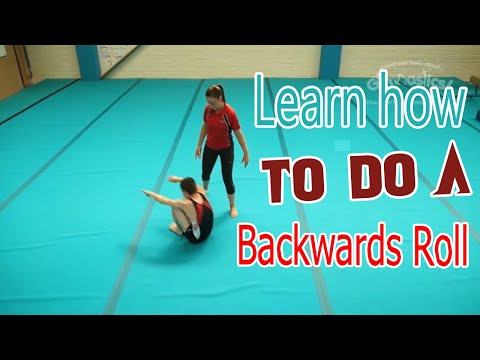
- Start with both hands in a flat shape, palms facing downward. Position your hands about shoulder-width apart.
- Move your hands backward in a circular motion while bending your knees slightly, as if you are preparing to roll backward.
- As you complete the backward motion with your hands, lean your upper body back, mimicking the action of a somersault.
- Maintain a joyful facial expression to convey the excitement of performing the somersault.
Common Mistakes
- Forgetting to bend the knees, which can make the sign look stiff and less fluid.
- Using overly large or exaggerated movements, which can distract from the clarity of the sign.
- Neglecting facial expressions, making the sign less engaging and lively.
Related Signs
- 1 – The sign for the number one.
- 10 – The sign for the number ten.
- 15 – The sign for the number fifteen.
- 13 – The sign for the number thirteen.
- 16 – The sign for the number sixteen.
Using “Backward Somersault” in Everyday Conversations
The sign “Backward Somersault” can be used in various contexts, especially when discussing activities related to gymnastics, sports, or playful actions. Here are a few example sentences that illustrate how to naturally incorporate this sign into conversation:
- Example 1: “Yesterday, I did a backward somersault at the park.” (Sign: “YESTERDAY, I BACKWARD SOMERSAULT PARK.”)
- Example 2: “My friend can do a backward somersault really well!” (Sign: “MY FRIEND CAN BACKWARD SOMERSAULT WELL!”)
- Example 3: “During the gymnastics class, we practiced the backward somersault.” (Sign: “GYMNASTICS CLASS, WE PRACTICE BACKWARD SOMERSAULT.”)
These examples show how the sign can fit into everyday discussions about hobbies, sports, or even fun childhood memories, making it a versatile addition to your Auslan vocabulary.
Cultural Notes
The sign “Backward Somersault” holds significance within the Australian Deaf community, where physical activities and sports are often celebrated and shared. Gymnastics and similar activities are popular among Deaf youth, serving as a way to foster camaraderie and encourage physical fitness. In some cases, you might find regional variations in how the sign is performed, particularly between northern and southern dialects of Auslan. While the core sign remains consistent, variations might include different hand shapes or facial expressions that reflect local signing styles.
Understanding these cultural nuances can enrich your conversations and help you connect more deeply with the Deaf community across Australia.
Tips for Learning This Sign
Practicing and remembering the sign “Backward Somersault” can be made easier with a few fun techniques:
- Mirror Practice: Use a mirror to watch your own handshape and movements. This visual feedback can help ensure you are forming the sign correctly.
- Non-Manual Features: Pay attention to facial expressions and body language, as these are crucial in Auslan and can enhance the meaning of your sign.
- Incorporate it into Short Sentences: Try to use the sign in simple phrases or stories. For instance, practice telling a quick story about your day that includes doing a backward somersault.
By integrating these tips into your learning routine, you’ll find it easier to remember and use the sign confidently in conversation.
Frequently Asked Questions
How can I use “backward somersault” in a sentence?
You can say, “I can do a backward somersault,” which can be signed as “I CAN BACKWARD SOMERSAULT.”
Are there regional variations for this sign?
While the sign is generally consistent, some regions may have slight variations in hand movement or facial expressions.
What are similar signs to “backward somersault”?
Similar signs include “forward somersault” and “roll,” which use similar hand movements but differ in direction.
How does this sign compare to BSL?
In BSL (British Sign Language), the sign for somersault is different and may involve distinct hand shapes and movements.
What teaching tips do you recommend for this sign?
Practice in front of a mirror to check your movements and facial expressions. Also, try incorporating the sign into playful activities or games.
Practice This Sign
Try signing Backward Somersault In Auslan with your camera and get AI coaching on your handshape, movement, and location.
Free · No signup required