
Youngest in Australian Sign Language (Auslan)
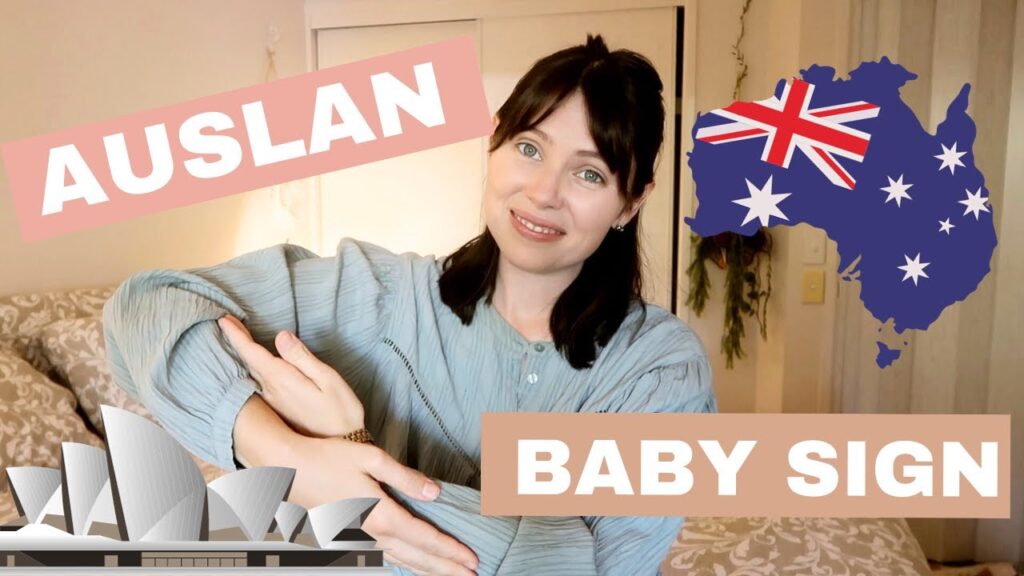
The sign “youngest” in Auslan refers to the person who is the least old in a group of people, often used when talking about siblings or friends. This sign is commonly used in conversations about family dynamics, age comparisons, or when introducing someone as the youngest member of a group.
Table of Contents
How to Sign “Youngest”
- Start with your dominant hand in a flat handshape (similar to a “B” handshape) with the palm facing down.
- Position your hand near your forehead, with your fingertips pointing towards your head.
- Move your hand downward in a quick motion, while slightly bending your arm at the elbow.
- Maintain a neutral or friendly facial expression to convey the meaning clearly.
Common Mistakes
- Using the wrong handshape, such as a fist instead of a flat hand.
- Failing to use appropriate facial expressions, which are crucial for conveying the meaning in Auslan.
- Confusing “youngest” with “oldest” due to similar hand movements; focus on the direction of the hand movement to differentiate.
Related Signs
- 1 – Represents the number one, often used in counting or indicating a single item.
- 10 – Represents the number ten, useful in various counting contexts.
- 11 – Represents the number eleven, commonly used in counting.
- 12 – Represents the number twelve, often used in situations involving quantity.
- 100 – Represents the number one hundred, useful in discussions involving larger quantities.
Using “Youngest” in Everyday Conversations
The sign for “youngest” often appears in discussions about family members, age comparisons, or sharing personal stories. Here are a few example sentences illustrating its use:
- “I am the youngest child in my family.” (Me youngest child family.)
- “My youngest sister loves to play soccer.” (My youngest sister love play soccer.)
- “Who is the youngest in your group of friends?” (Who youngest your friends group?)
These phrases can naturally come up in casual conversations about family dynamics, friendships, or when reminiscing about childhood experiences, making the sign an essential part of everyday Auslan communication.
Cultural Notes
In the Australian Deaf community, the concept of family and relationships holds significant cultural importance. The sign for “youngest” is frequently used in conversations about family structure, highlighting the bonds and roles within Deaf families. This sign not only conveys age but also reflects the dynamics of sibling relationships and expectations.
While Auslan is relatively consistent across Australia, there may be subtle variations in how signs are performed. In the northern regions, some users might incorporate slightly different facial expressions or body language when using “youngest,” reflecting local sign language nuances. Being aware of these variations can enhance communication and understanding among diverse Deaf community members.
Tips for Learning This Sign
Practicing the sign for “youngest” effectively can enhance your Auslan skills. Here are some concrete methods to help you learn and remember this sign:
- Mirror Practice: Stand in front of a mirror and practice the sign. This allows you to see your own movements and facial expressions, helping you achieve the correct form.
- Watch for Non-Manual Features: Pay attention to the facial expressions that accompany the sign. Non-manual features such as eyebrow movements can change the meaning or intensity of the sign.
- Use in Short Signed Sentences: Create simple sentences incorporating “youngest.” For example, practice with family members or friends about your lives. This contextual practice will help solidify your memory of the sign.
Incorporating these techniques into your learning routine will make mastering the sign for “youngest” both enjoyable and effective.
Frequently Asked Questions
How can I use “youngest” in a sentence?
You can say, “She is the youngest in my family,” by signing “She” and then performing the sign for “youngest.”
Are there regional variations for this sign?
Yes, some regions may have slight variations in the movement or handshape, so it’s good to observe local signing.
Is there a similar sign for “young”?
Yes, the sign for “young” is similar but typically involves a different handshape and movement. It’s important to learn them distinctly.
How does this compare to BSL?
In BSL, the sign for “youngest” may look different, emphasizing the importance of learning the specific signs for each sign language.
What are some tips for teaching this sign?
Encourage learners to practice in front of a mirror and to focus on facial expressions, as they play a key role in Auslan communication.
Practice This Sign
Try signing Youngest In Auslan with your camera and get AI coaching on your handshape, movement, and location.
Free · No signup required