
Underhand in Australian Sign Language (Auslan)
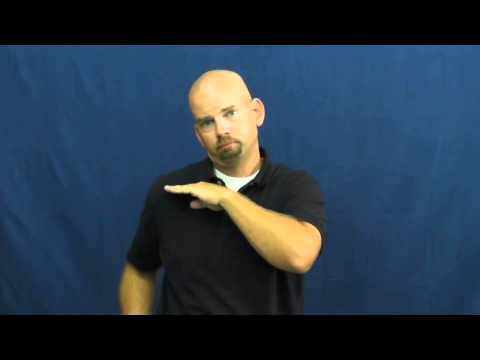
The sign “underhand” in Auslan refers to a specific way of throwing or passing an object, typically associated with sports or physical activities. It’s commonly used in contexts like describing a particular grip or technique in games such as baseball or basketball. Understanding this sign can enhance communication about sports or casual play.
Table of Contents
How to Sign “Underhand”
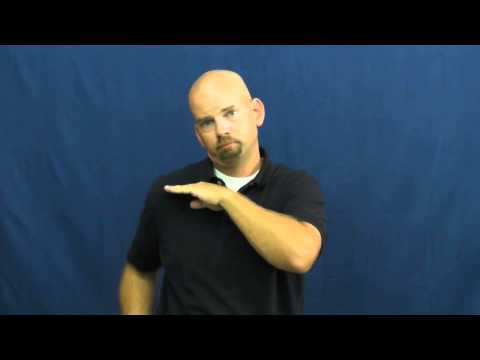
- Start with your dominant hand in a fist, palm facing down.
- Position your hand near your waist or hip level, as if you are preparing to throw something.
- Move your hand in a smooth, upward arc, while maintaining the fist shape.
- As your hand reaches about shoulder height, rotate your wrist so that your palm faces upwards.
- Finish the motion by extending your arm forward, as if releasing an object in an underhand throw.
- Maintain a focused expression to convey the intent of the sign.
Common Mistakes
- Forgetting to rotate the wrist at the peak of the motion can lead to confusion with other signs.
- Using an exaggerated motion that is too large for the context, making it look more like an overhead throw.
- Not maintaining a clear hand shape; a loose hand can change the meaning of the sign.
Related Signs
- 1: The sign for the number one.
- 1 Dollar: The sign for one dollar in currency.
- 10: The sign for the number ten.
- 100: The sign for the number one hundred.
- 11: The sign for the number eleven.
Using “Underhand” in Everyday Conversations
The sign “Underhand” can be used in various contexts, especially when discussing sports, activities, or techniques. Here are a few example sentences that illustrate its use:
- “I throw the ball underhand.” – This might come up during a discussion about sports skills, particularly in baseball or softball.
- “She served the tennis ball underhand.” – This sentence can be used when talking about different serving techniques in tennis, often during practice sessions.
- “He prefers underhand passes in basketball.” – This could arise in a conversation about basketball strategies, especially among players discussing their preferred passing styles.
Using “Underhand” in these contexts allows for clear communication of specific actions, making conversations more engaging and informative.
Cultural Notes
In the Australian Deaf community, the sign “Underhand” is more than just a technical term; it reflects a shared understanding of sports and recreational activities that are popular among Deaf individuals. Engaging in sports is a common social activity, fostering connections and camaraderie within the community. The use of this sign can often evoke discussions about local sports culture, competitions, and personal experiences.
While Auslan is relatively consistent across Australia, variations can exist between northern and southern dialects. For example, in some regions, the sign may be performed with slight variations in handshape or movement, reflecting local influences. Being aware of these differences can enhance understanding and fluency in Auslan.
Tips for Learning This Sign
Practicing the sign “Underhand” effectively requires a combination of visual and kinesthetic techniques. Here are some tips to help you learn and remember it:
- Mirror Practice: Stand in front of a mirror to practice the sign. This allows you to observe your movements and ensure they match the correct form.
- Watch for Non-Manual Features: Pay attention to facial expressions and body language that accompany the sign. These non-manual features add context and meaning.
- Use in Short Sentences: Incorporate “Underhand” into simple signed sentences during practice. This contextualizes the sign and helps reinforce its meaning.
Regular practice using these methods will build your confidence and fluency in using “Underhand” in conversations.
Frequently Asked Questions
Can you use “underhand” in a sentence?
Yes! For example, “I prefer to throw the ball underhand.” This helps clarify the specific throwing technique being discussed.
Are there regional variations for this sign?
While the basic sign is widely understood, some regions may have slight variations in movement or handshape, reflecting local signing habits.
What are some similar signs?
Signs like “overhand” or “throw” have similar hand movements but differ in orientation and intent. Understanding these distinctions is key.
How does this compare to BSL?
In British Sign Language (BSL), the sign for “underhand” may look different, highlighting the unique characteristics of each signing system.
What are some teaching tips for this sign?
Practice the motion in front of a mirror and focus on the wrist rotation. Using props like balls can also help illustrate the concept effectively.
Practice This Sign
Try signing Underhand In Auslan with your camera and get AI coaching on your handshape, movement, and location.
Free · No signup required