
11 in Sign Language (ASL)
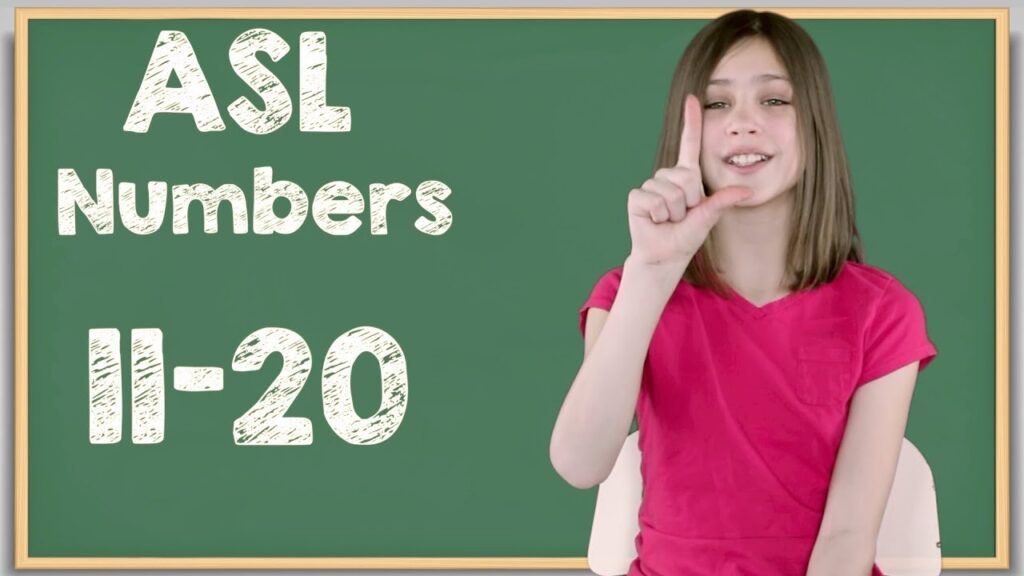
The sign “11” represents the number eleven in American Sign Language (ASL). It is used in a variety of contexts, such as counting, specifying quantities, or providing information in numerical form. Knowing how to express numbers is crucial for effective communication, particularly in settings where precise information is necessary.
[VIDEO_PLACEHOLDER]
Table of Contents
Forming the sign
- Handshape: The dominant hand forms the number “1” by using the index finger extended straight up while the other fingers are curled into the palm.
- Location: The hand is positioned in front of the body, typically around shoulder height, depending on the signer’s comfort and style.
- Movement: The sign “11” is static; there is no movement involved beyond holding the handshape in place to indicate the number.
- Non-manual signals: Maintain a neutral facial expression while signing “11.” There are no additional facial expressions required for this sign.
The handshape is critical to this sign, as altering it can change the meaning entirely. In this case, using the index finger represents the digit “1,” and having it twice signifies eleven. Practicing the handshape in front of a mirror can help ensure that it is clear and recognizable to others.
Using “11” in sentences
In ASL, “11” can be used as follows:
- To indicate a specific quantity: “I have 11 apples.”
- When discussing time: “The meeting starts at 11 o’clock.”
- In questions: “Do you know how to sign 11?”
These examples illustrate the versatility of the sign “11” in everyday conversations. Mastering numerical signs like “11” allows for clearer communication in various contexts, such as shopping or scheduling events.
Signs related to “11”
Here are some related signs that you may find useful:
- 10 – The sign for the number ten.
- 12 – The sign for the number twelve.
- 1 – The sign for the number one.
- Counting – A sign related to the act of counting in ASL.
- Time – A sign useful for discussing time, including hours.
A cultural note on numbers in ASL
In Deaf culture, numbers play a significant role in communication, particularly in storytelling and sharing experiences. Deaf individuals often use numbers to convey timelines, such as age, dates, or significant life events. Therefore, mastering numerical signs like “11” enhances not only your signing skills but also your ability to connect with Deaf culture and its storytelling traditions.
FAQ
How do I know when to use “11” in conversation?
You can use “11” whenever you need to express the number eleven, whether counting items, indicating time, or discussing ages. Observing how others use numbers in context can provide guidance.
Can “11” be used in different contexts?
Yes! “11” can be used in various contexts such as discussing sports scores, dates, or quantities. The context will clarify its meaning.
What if my handshape for “11” isn’t clear?
Practice makes perfect! Use a mirror to check your handshape. You can also ask a fluent signer for feedback on your signing.
Are there any regional variations for signing “11”?
The sign “11” is generally consistent across different regions, but minor variations may exist. It’s best to observe local signers to ensure clarity.
Practice ASL Signs
Use your camera to practice signs and get real-time AI feedback on your technique.
Free · No signup required